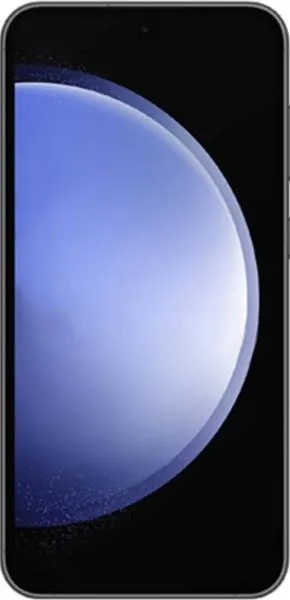
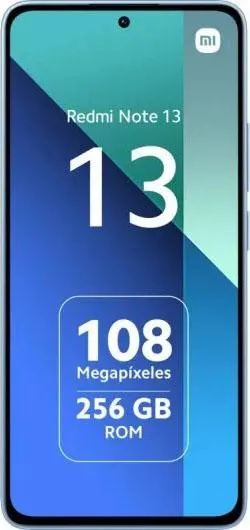
1. Specifications Comparison
| Feature | Samsung Galaxy S23 FE | Xiaomi Redmi Note 13 4G | Practical Impact |
|---|---|---|---|
| Design | |||
| Dimensions | 158 x 76.5 x 8.2 mm | 162.3 x 75.6 x 8 mm | S23 FE is slightly narrower and shorter, potentially more comfortable for one-handed use. |
| Weight | 209g | 188.5g | Redmi Note 13 4G is noticeably lighter, reducing hand fatigue during extended use. |
| Build Materials | Not specified | Not specified | Cannot compare build quality and durability without further information. |
| Display | |||
| Size | 6.4" | 6.67" | Redmi Note 13 4G offers a larger screen for more immersive media consumption. |
| Type | Dynamic AMOLED 2X | AMOLED | S23 FE's Dynamic AMOLED 2X likely offers better color accuracy, contrast, and HDR performance. |
| Refresh Rate | 120Hz | 120Hz | Both offer smooth scrolling and animations. |
| Peak Brightness | 1450 nits | 1800 nits | Redmi Note 13 4G should be more readable in direct sunlight. |
| Resolution | 1080 x 2340 | 1080 x 2400 | Similar pixel density; negligible real-world difference in sharpness. |
| Performance | |||
| Chipset | Exynos 2200 (4nm) | Snapdragon 685 (6nm) | Exynos 2200 aims for flagship performance, but real-world performance can vary; Snapdragon 685 focuses on efficiency. |
| CPU | Octa-core (1x2.8 GHz Cortex-X2 & 3x2.50 GHz Cortex-A710 & 4x1.8 GHz Cortex-A510) | Octa-core (4x2.8 GHz Cortex-A73 & 4x1.9 GHz Cortex-A53) | Exynos 2200 likely offers better peak performance, but efficiency and sustained performance are unclear without testing. |
| GPU | Xclipse 920 | Adreno 610 | Xclipse 920 targets higher-end gaming; Adreno 610 is sufficient for casual gaming. |
| RAM | 8GB | 8GB | Both offer ample RAM for multitasking. |
| Storage | 256GB | 128GB/256GB | S23 FE's base model offers more storage. |
| Camera | |||
| Rear Camera | Not specified | Not specified | Cannot compare camera quality without detailed specifications. |
| Video | 8K@24fps, 4K@60fps, etc. | 1080p@30fps | S23 FE offers significantly more versatile video recording options, including higher resolutions and frame rates. |
| Battery | |||
| Capacity | 4500 mAh | 5000 mAh | Redmi Note 13 4G likely offers longer battery life due to larger capacity and potentially more efficient chipset. |
2. Key Differences Analysis
Samsung Galaxy S23 FE Advantages:
- Potentially Higher Performance: The Exynos 2200 and Xclipse 920 aim for flagship-level performance, particularly in gaming and demanding tasks.
- Superior Display Quality: Dynamic AMOLED 2X generally offers better colors, contrast, and HDR performance.
- More Versatile Video Recording: Supports up to 8K resolution and various frame rates, catering to content creators.
- More base storage: Starts at 256GB compared to 128GB for the Redmi Note 13.
Xiaomi Redmi Note 13 4G Advantages:
- Longer Battery Life: Larger 5000 mAh battery combined with a more power-efficient chipset likely results in significantly longer usage time.
- Brighter Display: 1800 nits peak brightness ensures better visibility outdoors.
- Lighter Weight: Noticeably lighter, making it more comfortable for extended use.
- Potentially Lower Price: While both are mid-range, the Redmi Note 13 could be priced lower given the less powerful chipset.
3. User Profiles & Recommendations
Samsung Galaxy S23 FE: Users who prioritize performance for demanding tasks, gaming, and content creation (especially video). Those who value a vibrant and color-accurate display.
Xiaomi Redmi Note 13 4G: Users who prioritize battery life and a large, bright display for media consumption. Those seeking a lightweight and comfortable phone for everyday use. Budget-conscious users who don't require top-tier performance.
4. Decision Framework
Key Questions for Buyers:
- What is your budget? The Redmi Note 13 4G is likely more affordable.
- What are your primary use cases? Gaming and content creation favor the S23 FE; media consumption and general use favor the Redmi Note 13 4G.
- How important is battery life? The Redmi Note 13 4G likely offers significantly longer battery life.
My Choice: Samsung Galaxy S23 FE
While the Redmi Note 13 4G offers compelling advantages in battery life and price, I would choose the Samsung Galaxy S23 FE. The potential performance difference of the Exynos 2200, combined with the superior display quality (Dynamic AMOLED 2X) and more versatile video recording capabilities, are more important to me. I often use my phone for demanding tasks and occasional mobile gaming, and I value a high-quality visual experience. While battery life is important, I'm willing to compromise slightly in that area for the performance and feature benefits of the S23 FE. The greater base storage is also a significant factor for me. I acknowledge that the Exynos 2200 has had mixed reception in the past, but I am willing to bet on its potential in this device.
