1. Specifications Comparison
| Feature | Samsung Galaxy S23 FE | Xiaomi Redmi 13C | Practical Impact |
|---|---|---|---|
| Design | |||
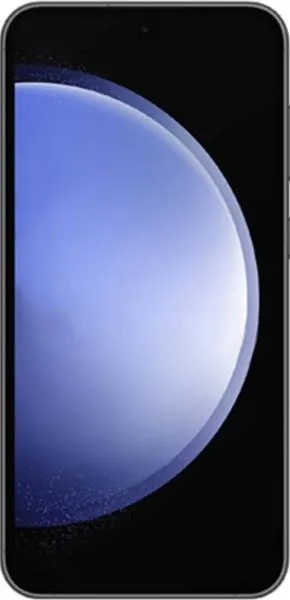
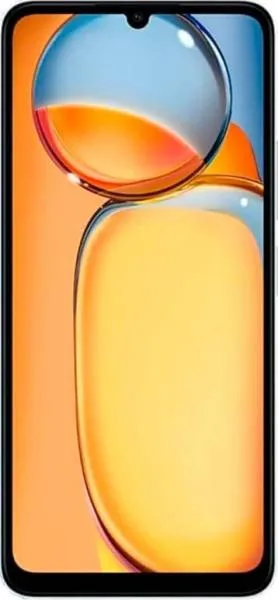
| Dimensions | 158 x 76.5 x 8.2 mm | 168 x 78 x 8.1 mm | The S23 FE is noticeably smaller and might be more comfortable for one-handed use. |
| Weight | 209g | 192g | While the Redmi 13C is slightly lighter, the difference is minimal in real-world usage. |
| Fingerprint Sensor | Under display | Side-mounted | Preference-based; under-display is often perceived as more modern, while side-mounted can be faster to access. |
| Display | |||
| Display Type | Dynamic AMOLED 2X | IPS LCD | AMOLED offers significantly better contrast, deeper blacks, and vibrant colors compared to the LCD on the Redmi 13C. |
| Display Size | 6.4" | 6.74" | The Redmi 13C offers a larger screen for media consumption but may be less manageable for one-handed use. |
| Resolution | 1080 x 2340 | 720 x 1600 | S23 FE has a much sharper display resulting in clearer text and images. The Redmi 13C's lower resolution will be noticeable. |
| Refresh Rate | 120Hz | 90Hz | S23 FE provides smoother scrolling and animations. While 90Hz is still good, the difference is perceptible. |
| Peak Brightness | 1450 nits | 600 nits (HBM) | The S23 FE will be far more visible in direct sunlight. |
| Performance | |||
| Chipset | Exynos 2200 (4 nm) | Mediatek Helio G85 (12 nm) | The Exynos 2200 is a flagship-level chip from the previous generation, offering significantly better performance in demanding tasks and gaming compared to the budget-oriented Helio G85. |
| CPU | Octa-core (1x2.8 GHz Cortex-X2 & 3x2.50 GHz Cortex-A710 & 4x1.8 GHz Cortex-A510) | Octa-core (2x2.0 GHz Cortex-A75 & 6x1.8 GHz Cortex-A55) | The S23 FE's CPU architecture is more powerful and efficient. |
| GPU | Xclipse 920 | Mali-G52 MC2 | The Xclipse 920 offers a substantial leap in graphics performance, enabling smoother gameplay and faster rendering compared to the Mali-G52 MC2. |
| RAM/Storage | 8GB/256GB | 6GB/128GB or 8GB/256GB | The S23 FE's base configuration offers more RAM and storage. More RAM enables better multitasking. |
| Camera | |||
| Video Capabilities | 8K@24fps, 4K@60fps, ... | 1080p@30fps | The S23 FE offers vastly superior video recording capabilities, including higher resolution and frame rates. |
| Battery | |||
| Capacity | 4500 mAh | 5000 mAh | While the Redmi 13C has a larger battery, the Exynos 2200's power efficiency could result in comparable battery life. Real-world usage will vary. |
2. Key Differences Analysis
Samsung Galaxy S23 FE Advantages:
- Significantly better performance: The Exynos 2200 and Xclipse 920 offer a major performance advantage for demanding tasks and gaming.
- Superior display: The AMOLED display with higher resolution, refresh rate, and brightness delivers a dramatically better visual experience.
- More versatile camera: Significantly better video recording options.
- More premium design: Smaller and more compact.
Xiaomi Redmi 13C Advantages:
- Lower price: Positioned in the budget segment.
- Larger battery: Potentially longer battery life, depending on usage.
- Larger display: More screen real estate for media consumption.
3. User Profiles & Recommendations
Samsung Galaxy S23 FE: Users who prioritize performance, a high-quality display, and a versatile camera. Ideal for gaming, content creation, and those seeking a premium experience.
Xiaomi Redmi 13C: Budget-conscious users who prioritize basic functionality, a large screen, and long battery life. Suitable for casual browsing, social media, and communication.
4. Decision Framework
Key Questions:
- What is your budget?
- What are your primary smartphone usage patterns (gaming, photography, social media)?
- Do you prioritize performance and display quality or battery life and affordability?
Scenario-Based Recommendations:
- Gamer: S23 FE for its superior performance.
- Photographer/Videographer: S23 FE for its versatile camera.
- Casual User on a Budget: Redmi 13C for its affordability and large battery.
My Choice: Samsung Galaxy S23 FE
While the Redmi 13C offers excellent value for its price, the S23 FE's significant advantages in performance, display quality, and camera capabilities make it the clear winner for me. I prioritize a smooth and responsive user experience, a vibrant display for media consumption, and the ability to capture high-quality photos and videos. The price difference is justifiable for the substantial upgrade in overall quality and long-term usability. The smaller size of the S23 FE is also more appealing to me.
