1. Specifications Comparison
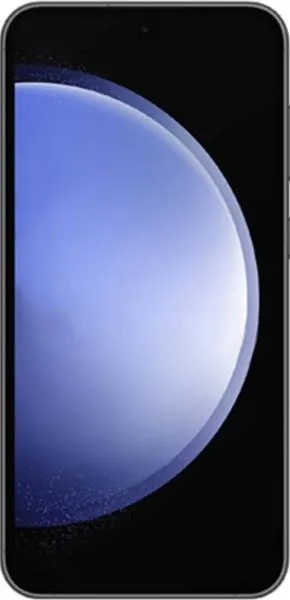
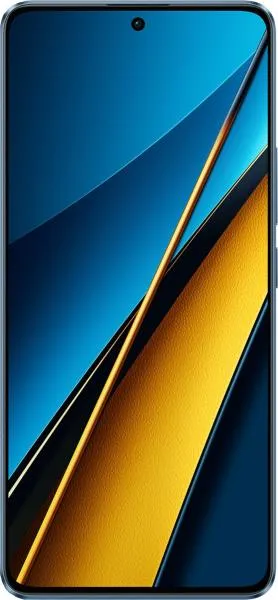
| Feature | Samsung Galaxy S23 FE | Xiaomi Poco X6 | Practical Impact |
|---|---|---|---|
| Design | |||
| Dimensions | 158 x 76.5 x 8.2 mm | 161.2 x 74.3 x 8 mm | Poco X6 is slightly taller and narrower. Negligible difference in hand feel for most users. |
| Weight | 209g | 181g | Poco X6 is noticeably lighter, reducing hand fatigue during extended use. |
| Build Materials | Not specified | Not specified | Cannot compare build quality and durability without material information. |
| Display | |||
| Size | 6.4" | 6.67" | Poco X6 offers a larger screen for more immersive media consumption. |
| Type | Dynamic AMOLED 2X | AMOLED | Both offer vibrant colors and deep blacks. Dynamic AMOLED 2X generally implies better brightness and color accuracy, but real-world difference might be subtle. |
| Resolution | 1080 x 2340 | 1220 x 2712 | Poco X6 has a sharper display due to higher resolution and pixel density. |
| Refresh Rate | 120Hz | 120Hz | Both offer smooth scrolling and animations. |
| Peak Brightness | 1450 nits | 1800 nits | Poco X6 should be more readable in direct sunlight. |
| Performance | |||
| Chipset | Exynos 2200 (4nm) | Snapdragon 7s Gen 2 (4nm) | Snapdragon 7s Gen 2 generally offers better sustained performance and efficiency compared to Exynos 2200. This translates to smoother multitasking and less overheating. |
| CPU | Octa-core (1x2.8 GHz Cortex-X2 & 3x2.50 GHz Cortex-A710 & 4x1.8 GHz Cortex-A510) | Octa-core (4x2.40 GHz Cortex-A78 & 4x1.95 GHz Cortex-A55) | While Exynos 2200 has a higher peak clock speed, the Snapdragon 7s Gen 2's architecture often results in better real-world performance. |
| GPU | Xclipse 920 | Adreno 710 | Adreno 710 tends to provide a more consistent gaming experience. Xclipse 920 has potential for higher peak performance but might suffer from thermal throttling. |
| RAM | 8GB | 12GB | Poco X6 offers more RAM, enabling better multitasking and smoother performance with multiple apps open. |
| Storage | 256GB | 256GB/512GB | Poco X6 offers a 512GB option for users needing more storage space. |
| Camera | |||
| Rear Camera | Not specified | Not specified | Cannot compare camera quality without detailed sensor and lens specifications. |
| Video | 8K@24fps, 4K@60fps... | 4K@30fps, 1080p@60fps... | S23 FE boasts superior video recording capabilities with higher resolution and frame rate options including 8K recording. Poco X6's video capabilities seem more basic. |
| Battery | |||
| Capacity | 4500 mAh | 5100 mAh | Poco X6 likely offers longer battery life due to its larger capacity. |
2. Key Differences Analysis
Samsung Galaxy S23 FE Advantages:
- Potentially better display quality: Dynamic AMOLED 2X generally offers superior color accuracy and brightness.
- Superior Video Recording: Offers significantly more versatile and high-quality video recording options.
Xiaomi Poco X6 Advantages:
- Larger and Sharper Display: Provides a more immersive viewing experience.
- More Powerful and Efficient Chipset: Snapdragon 7s Gen 2 generally outperforms the Exynos 2200 in terms of sustained performance and power efficiency.
- Larger Battery: Offers potentially longer battery life.
- More RAM: Enables better multitasking and smoother performance.
- Lighter Weight: More comfortable for extended use.
- More Storage Options: Provides a 512GB option for users who need ample storage.
3. User Profiles & Recommendations
Samsung Galaxy S23 FE: Users prioritizing video recording quality and potentially brighter display.
Xiaomi Poco X6: Users prioritizing performance, battery life, larger display, and value for money. Suitable for gaming, multitasking, and media consumption.
4. Decision Framework
Key Questions:
- What is your budget? Both are mid-range but price differences might exist.
- What are your primary use cases? (Gaming, photography, video recording, general use)
- Which features matter most? (Performance, battery life, display quality, camera)
My Choice: Xiaomi Poco X6
While the S23 FE offers potentially better display quality and markedly better video recording capabilities, the Poco X6 provides a more well-rounded package for my needs. The Snapdragon 7s Gen 2's superior performance, coupled with larger RAM, battery, and a sharper, larger display, outweighs the S23 FE's advantages for me. I prioritize smooth performance, long battery life, and a comfortable user experience for everyday tasks and media consumption. The Poco X6 seems to deliver better on these aspects. I am willing to compromise slightly on peak display brightness and video recording features for the overall performance and value proposition of the Poco X6.
