1. Specifications Comparison
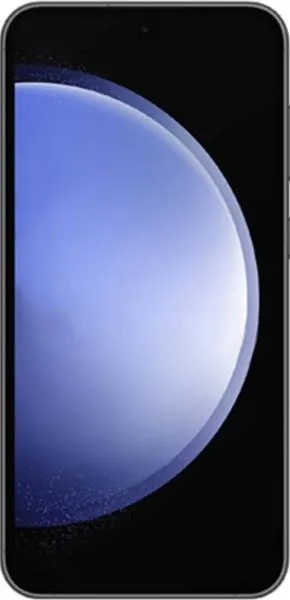
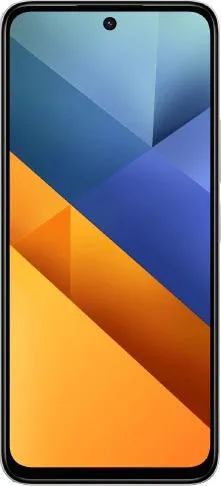
| Feature | Samsung Galaxy S23 FE | Xiaomi Poco M6 4G | Practical Impact |
|---|---|---|---|
| Design | |||
| Dimensions | 158 x 76.5 x 8.2 mm | 168.6 x 76.3 x 8.3 mm | Poco M6 is noticeably taller and slightly wider. S23 FE is more pocketable. |
| Weight | 209g | 205g | Negligible weight difference in practical use. |
| Build | Not specified | Not specified | Build quality and materials can impact durability and premium feel, but we lack this information. |
| Display | |||
| Display Type | Dynamic AMOLED 2X | IPS LCD | S23 FE offers significantly better contrast, colors, and viewing angles due to AMOLED technology. |
| Size | 6.4" | 6.79" | Poco M6 has a larger screen, better for media consumption but less one-hand friendly. |
| Resolution | 1080 x 2340 | 1080 x 2460 | Similar sharpness due to comparable pixel density. Poco M6 is slightly taller. |
| Refresh Rate | 120Hz | 90Hz | S23 FE provides smoother scrolling and animations. |
| Peak Brightness | 1450 nits | 550 nits (HBM) | S23 FE will be much more visible in direct sunlight. |
| Performance | |||
| Chipset | Exynos 2200 (4nm) | Mediatek Helio G91 Ultra (12nm) | Exynos 2200 generally offers better performance, especially in graphics-intensive tasks. The 4nm process suggests better power efficiency compared to the 12nm Helio G91. |
| CPU | Octa-core (1x2.8 GHz Cortex-X2 & 3x2.50 GHz Cortex-A710 & 4x1.8 GHz Cortex-A510) | Octa-core (2x2.0 GHz Cortex-A75 & 6x1.8 GHz Cortex-A55) | S23 FE has a more powerful CPU architecture, leading to faster processing speeds. |
| GPU | Xclipse 920 | Mali-G52 MC2 | Xclipse 920 provides significantly better gaming performance and graphics rendering. |
| RAM | 8GB | 8GB | Same RAM capacity, meaning similar multitasking capabilities. |
| Storage | 256GB | 256GB | Same storage capacity. |
| Camera | |||
| Video Capabilities | 8K@24fps, 4K@60fps, etc. | 1080p@30fps | S23 FE offers significantly better video recording capabilities with higher resolution and frame rates. Details about specific camera sensors and image quality are missing for both phones. |
| Battery | |||
| Capacity | 4500 mAh | 5030 mAh | Poco M6 has a larger battery capacity, potentially leading to longer battery life. Real-world battery life depends on various factors, including display, chipset efficiency, and software optimization. |
2. Key Differences Analysis
Samsung Galaxy S23 FE Advantages:
- Superior Display: AMOLED with 120Hz refresh rate and high brightness provides a significantly better visual experience.
- Stronger Performance: Exynos 2200 and Xclipse 920 GPU deliver faster processing and smoother gaming.
- More Versatile Camera: Supports higher resolution and frame rate video recording.
- More Compact Design: Easier to handle and carry.
Xiaomi Poco M6 4G Advantages:
- Larger Battery: Potentially longer battery life.
- Lower Price: Positioned in the "low price" range, offering better value for budget-conscious users.
- Larger Display: More screen real estate for media consumption.
3. User Profiles & Recommendations
Samsung Galaxy S23 FE: Users who prioritize performance, display quality, camera capabilities, and a premium feel. Suitable for gaming, media consumption, and demanding tasks.
Xiaomi Poco M6 4G: Budget-conscious users who prioritize battery life and a large screen for media consumption. Suitable for casual use, browsing, and video streaming.
4. Decision Framework
Key Questions:
- What is your budget? The Poco M6 is significantly cheaper.
- What are your primary use cases? Gaming and demanding tasks favor the S23 FE. Media consumption on a large screen favors the Poco M6.
- Which features are most important to you? Prioritize display, performance, and camera for S23 FE. Prioritize battery life and affordability for Poco M6.
My Choice: Samsung Galaxy S23 FE
While the Poco M6 offers excellent value for its price, the Samsung Galaxy S23 FE is the better overall phone for me. The significantly superior display, notably higher performance thanks to the Exynos 2200 and Xclipse 920 GPU, more versatile camera, and more compact form factor outweigh the Poco M6's advantages in battery capacity and price. I value a smooth and responsive user experience, a vibrant display for media consumption, and strong performance for demanding tasks and occasional gaming. I am willing to pay the price premium for the S23 FE to get these features. The brighter display is crucial for outdoor use, and the higher refresh rate makes everyday interactions feel more fluid. While battery life is important, I'd rather have a slightly shorter battery life with a significantly better overall experience.
