1. Specifications Comparison
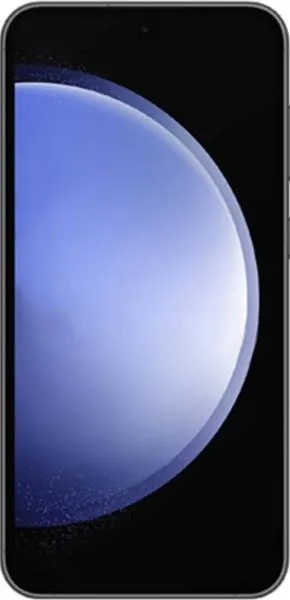
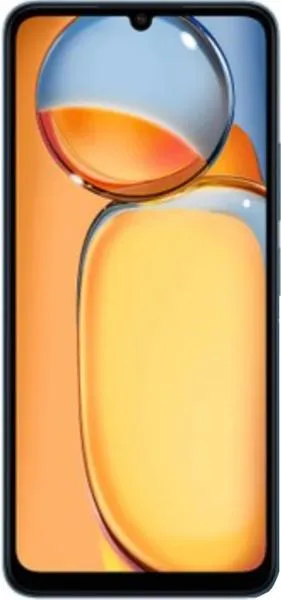
| Feature | Samsung Galaxy S23 FE | Xiaomi Poco C65 | Practical Impact |
|---|---|---|---|
| Design | |||
| Dimensions | 158 x 76.5 x 8.2 mm | 168 x 78 x 8.1 mm | The Poco C65 is noticeably larger and slightly thicker. |
| Weight | 209g | 192g | The S23 FE is slightly heavier. |
| Build Materials | Not specified | Not specified | Build quality and feel cannot be compared without further information. |
| Display | |||
| Size | 6.4" | 6.74" | The Poco C65 has a larger screen, better suited for media consumption but potentially less pocketable. |
| Type | Dynamic AMOLED 2X | IPS LCD | The S23 FE's AMOLED display offers significantly better contrast, colors, and viewing angles. |
| Resolution | 1080 x 2340 | 720 x 1600 | The S23 FE has a much sharper display (403 ppi vs 260 ppi), resulting in clearer text and images. |
| Refresh Rate | 120Hz | 90Hz | The S23 FE provides smoother scrolling and animations. |
| Peak Brightness | 1450 nits | 600 nits (HBM) | The S23 FE is dramatically brighter, making it much more usable in direct sunlight. |
| Performance | |||
| Chipset | Exynos 2200 (4 nm) | Mediatek Helio G85 (12 nm) | The Exynos 2200 is a flagship-level chip from 2022, offering significantly better performance than the budget-oriented Helio G85. |
| CPU | Octa-core (1x2.8 GHz Cortex-X2 & 3x2.50 GHz Cortex-A710 & 4x1.8 GHz Cortex-A510) | Octa-core (2x2.0 GHz Cortex-A75 & 6x1.8 GHz Cortex-A55) | The S23 FE has a more powerful CPU architecture, leading to faster app loading, multitasking, and demanding tasks. |
| GPU | Xclipse 920 | Mali-G52 MC2 | The Xclipse 920 is a much more powerful GPU, enabling smoother gaming and graphics-intensive tasks. |
| RAM | 8GB | 8GB | Both phones offer the same amount of RAM. |
| Storage | 256GB | 256GB | Both phones offer the same amount of storage. |
| Camera | |||
| Rear Camera | Not specified | Not specified | Camera quality cannot be compared without specific sensor and lens information. |
| Video Recording | Up to 8K@24fps | Up to 1080p@30fps | The S23 FE supports much higher video resolution and frame rates. |
| Battery | |||
| Capacity | 4500 mAh | 5000 mAh | The Poco C65 has a larger battery capacity, potentially offering longer battery life. However, real-world battery life depends on many factors including display, processor efficiency, and software optimization. |
2. Key Differences Analysis
Samsung Galaxy S23 FE Advantages:
- Significantly superior display: Brighter, sharper, more vibrant, and smoother.
- Much more powerful performance: Handles demanding tasks and gaming with ease.
- Higher quality video recording capabilities: Offers higher resolution and frame rates.
Xiaomi Poco C65 Advantages:
- Larger battery capacity: Potentially longer battery life, though real-world usage will vary.
- Larger screen size: Better for media consumption.
- Lower price: Appeals to budget-conscious buyers.
Trade-offs: The S23 FE sacrifices battery capacity and size for a vastly superior display and performance. The Poco C65 prioritizes affordability and battery size over performance and display quality.
3. User Profiles & Recommendations
Samsung Galaxy S23 FE: Users who prioritize performance, display quality, and a premium experience. Ideal for gaming, content creation, and multitasking.
Xiaomi Poco C65: Users on a tight budget who prioritize battery life and a large screen for media consumption. Suitable for basic tasks, web browsing, and casual gaming.
4. Decision Framework
Key Questions for Buyers:
- What is your budget? The Poco C65 is significantly cheaper.
- What are your primary use cases? Gaming and demanding tasks favor the S23 FE, while basic tasks and media consumption suit the Poco C65.
- How important is display quality? The S23 FE offers a vastly superior display.
My Choice: Samsung Galaxy S23 FE
While the Poco C65 offers a larger battery and lower price, the Samsung Galaxy S23 FE's superior performance, stunning display, and advanced features make it the clear winner for me. I value a smooth and responsive user experience, high-quality visuals, and the ability to handle demanding tasks. The price difference is justified by the significant leap in overall quality and long-term usability. The S23 FE is a future-proof investment that will provide a better user experience for years to come. The brighter display alone makes a huge difference in outdoor usability, a key factor for me. While battery life is important, I'd rather have a slightly shorter battery life with a significantly better overall experience.
