1. Specifications Comparison
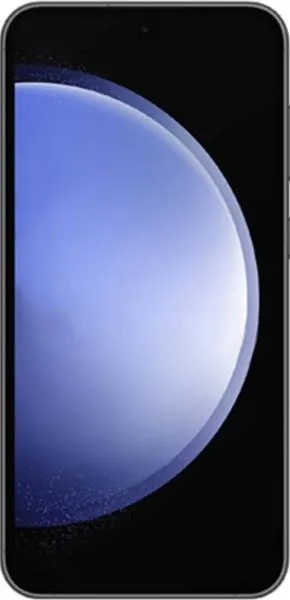
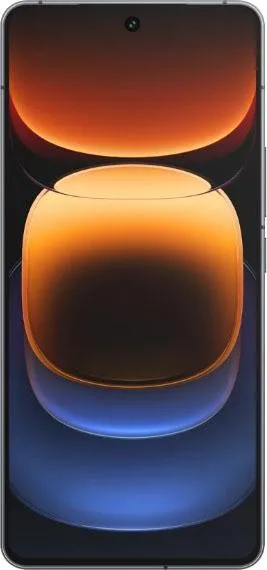
| Feature | Samsung Galaxy S23 FE | vivo iQOO 12 | Practical Impact |
|---|---|---|---|
| Design | |||
| Dimensions | 158 x 76.5 x 8.2 mm | 163.2 x 75.9 x 8.1 mm | iQOO 12 is slightly taller and narrower, but almost the same thickness. Negligible difference in everyday use. |
| Weight | 209g | 198.5g | iQOO 12 is slightly lighter, but the difference (10.5g) is barely noticeable. |
| Build Materials | Not specified | Not specified | Cannot compare without information. |
| Display | |||
| Size | 6.4" | 6.78" | iQOO 12 offers a noticeably larger screen for more immersive content consumption. |
| Type | Dynamic AMOLED 2X | LTPO AMOLED | Both are high-quality displays. LTPO allows for variable refresh rate, potentially saving battery. |
| Resolution | 1080 x 2340 | 1260 x 2800 | iQOO 12 has a sharper display due to higher resolution and pixel density. |
| Refresh Rate | 120Hz | 144Hz | iQOO 12's slightly higher refresh rate might result in smoother animations, but the difference may not be perceptible to all users. |
| Peak Brightness | 1450 nits | 3000 nits | iQOO 12 will be significantly more visible in direct sunlight. |
| Performance | |||
| Chipset | Exynos 2200 (4 nm) | Snapdragon 8 Gen 3 (4 nm) | Snapdragon 8 Gen 3 generally offers better performance and efficiency than Exynos 2200. |
| CPU | Octa-core (1x2.8 GHz Cortex-X2 & 3x2.50 GHz Cortex-A710 & 4x1.8 GHz Cortex-A510) | Octa-core (1x3.3 GHz Cortex-X4 & 3x3.2 GHz Cortex-A720 & 2x3.0 GHz Cortex-A720 & 2x2.3 GHz Cortex-A520) | Snapdragon 8 Gen 3's newer core architecture should provide a performance advantage in demanding tasks and multitasking. |
| GPU | Xclipse 920 | Adreno 750 | Adreno 750 generally provides superior graphics performance for gaming and other visually intensive tasks. |
| RAM | 8GB | 16GB | iQOO 12 offers double the RAM, enabling smoother multitasking and better handling of memory-intensive applications. |
| Storage | 256GB | 512GB/1000GB | iQOO 12 offers significantly more storage for apps, photos, and videos. |
| Battery | |||
| Capacity | 4500 mAh | 5000 mAh | iQOO 12 has a larger battery, potentially offering longer battery life. |
| Charging Speed | Not specified | Not specified | Cannot compare without information. |
| Camera | |||
| Rear Camera Specs | Not specified | Not specified | Cannot compare without detailed camera specifications (sensor size, aperture, etc.). |
| Video Capabilities | Up to 8K@24fps, 720p@960fps | Up to 8K@30fps with EIS | Both offer a range of video recording options; iQOO 12 features Electronic Image Stabilization (EIS) across all resolutions for smoother footage. |
2. Key Differences Analysis
Samsung Galaxy S23 FE Advantages:
- Potentially more compact form factor: Might be preferred by users with smaller hands.
vivo iQOO 12 Advantages:
- Significantly more powerful: Snapdragon 8 Gen 3, more RAM, and larger storage contribute to a superior performance experience.
- Larger and brighter display: More immersive content consumption and better outdoor visibility.
- Larger battery: Potentially longer battery life.
- More advanced video stabilization: Smoother video recording across various resolutions.
3. User Profiles & Recommendations
Samsung Galaxy S23 FE: Users prioritizing a compact phone and a potentially lower price point. Suitable for everyday tasks, social media, and light gaming.
vivo iQOO 12: Power users, gamers, and multimedia enthusiasts who demand top-tier performance, a large and vibrant display, and long battery life.
4. Decision Framework
Key Questions for Buyers:
- What is your budget? While both are in the "medium price" range, specific pricing might vary.
- What level of performance do you need? For demanding tasks and gaming, the iQOO 12 is significantly more powerful.
- How important is battery life and screen size? The iQOO 12 has advantages in both areas.
My Choice: vivo iQOO 12
The vivo iQOO 12 is the clear winner for me. The Snapdragon 8 Gen 3 offers a significant performance advantage over the Exynos 2200. The larger, brighter display and larger battery are also compelling. While specifics on camera quality are missing, the iQOO 12's superior video stabilization suggests a more comprehensive feature set. The doubled RAM and storage further solidify its position as a more capable and future-proof device. Even without knowing the exact price difference, the performance and feature advantages of the iQOO 12 make it the more compelling choice for my needs. I prioritize performance, screen quality, and battery life, and the iQOO 12 excels in all these areas.
