1. Specifications Comparison
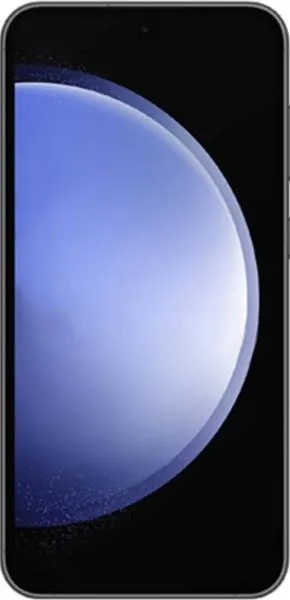
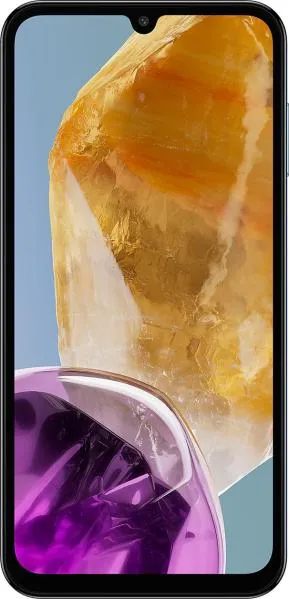
| Feature | Samsung Galaxy S23 FE | Samsung Galaxy M15 | Practical Impact |
|---|---|---|---|
| Design | |||
| Dimensions | 158 x 76.5 x 8.2 mm | 160.1 x 76.8 x 9.3 mm | S23 FE is slightly smaller and thinner, potentially more pocketable. |
| Weight | 209g | 217g | S23 FE is slightly lighter, more comfortable for extended use. |
| Fingerprint Sensor | Under Display | Side-mounted | Preference-based, under-display often perceived as more premium. Side-mounted can be faster to unlock in some cases. |
| Display | |||
| Size | 6.4" | 6.5" | Negligible size difference in real-world usage. |
| Type | Dynamic AMOLED 2X | Super AMOLED | Both offer vibrant colors and deep blacks. Dynamic AMOLED 2X generally offers better color accuracy and higher brightness. |
| Refresh Rate | 120Hz | 90Hz | S23 FE's 120Hz provides smoother scrolling and animations, noticeable in everyday use and gaming. |
| Peak Brightness | 1450 nits | 800 nits (HBM) | S23 FE significantly brighter, crucial for outdoor visibility. |
| Resolution | 1080 x 2340 | 1080 x 2340 | Same resolution, similar sharpness on both devices. |
| Performance | |||
| Chipset | Exynos 2200 (4nm) | Mediatek Dimensity 6100+ (6nm) | Exynos 2200 theoretically more powerful, but real-world performance depends on optimization. 6nm process on the Dimensity 6100+ likely more power efficient. |
| CPU | Octa-core (1x2.8 GHz Cortex-X2 & 3x2.50 GHz Cortex-A710 & 4x1.8 GHz Cortex-A510) | Octa-core (2x2.2 GHz Cortex-A76 & 6x2.0 GHz Cortex-A55) | Exynos 2200 has a more powerful core configuration, potentially better for demanding tasks. |
| GPU | Xclipse 920 | Mali-G57 MC2 | Xclipse 920 generally considered more powerful, better for gaming and graphics-intensive applications. |
| RAM | 8GB | 6GB | S23 FE's 8GB RAM enables better multitasking and smoother performance with multiple apps. |
| Storage | 256GB | 128GB | S23 FE offers double the storage, important for users who store lots of media or apps. |
| Camera | |||
| Video Capabilities | 8K@24fps, 4K@60fps, ... | 1080p@30fps (EIS) | S23 FE offers significantly better video recording capabilities with higher resolution and frame rates. |
| Battery | |||
| Capacity | 4500 mAh | 6000 mAh | M15 has a much larger battery capacity, likely resulting in significantly longer battery life. |
2. Key Differences Analysis
S23 FE Advantages:
- Superior Display: Brighter, smoother, and likely more color accurate. More enjoyable for media consumption and gaming.
- More Powerful Performance: Better for demanding tasks, multitasking, and gaming.
- Greater Storage: More room for apps, photos, and videos.
- Superior Video Recording: More versatile and higher quality video capture.
M15 Advantages:
- Longer Battery Life: Significantly larger battery capacity, potentially lasting much longer on a single charge.
- Potentially More Affordable: Depending on specific market pricing.
3. User Profiles & Recommendations
S23 FE: Users who prioritize performance, display quality, and ample storage. Ideal for gamers, power users, and content creators.
M15: Users who prioritize battery life above all else. Suitable for casual users, those who primarily use their phone for communication and basic tasks, and those seeking a budget-friendly option.
4. Decision Framework
Key Questions:
- What is your budget? The S23 FE is likely more expensive.
- What are your primary phone usage patterns? (Gaming, media consumption, basic communication)
- How important is battery life to you?
Scenario-Based Recommendations:
- Heavy Gamer: S23 FE
- Budget-Conscious User with Basic Needs: M15
- User who needs all-day battery life: M15
- User who wants the best possible display: S23 FE
My Choice: Samsung Galaxy S23 FE
While the M15's impressive battery life is tempting, I would choose the Samsung Galaxy S23 FE. The significantly better display, stronger performance for demanding tasks and gaming, larger storage, and superior video recording capabilities are more important to me. I am willing to sacrifice some battery life for a more premium and versatile user experience. The smoother 120Hz display alone makes a tangible difference in daily use. I also value the more powerful chipset for future-proofing and ensuring smooth performance over the long term.
