1. Specifications Comparison
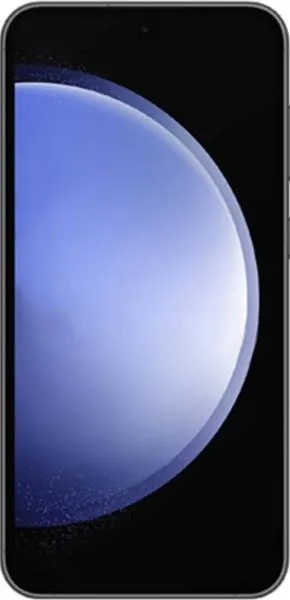
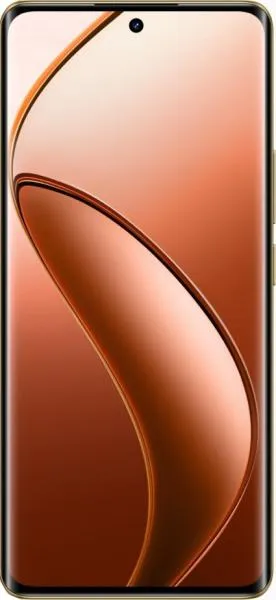
| Feature | Samsung Galaxy S23 FE | Realme 12 Pro+ | Practical Impact |
|---|---|---|---|
| Design | |||
| Dimensions | 158 x 76.5 x 8.2 mm | 161.5 x 74 x 8.8 mm | The Realme is slightly taller and thicker, while the S23 FE is wider. Realme might be harder to use one-handed for some. |
| Weight | 209g | 196g | The Realme is noticeably lighter, making it more comfortable for extended use. |
| Build Materials | Not specified | Not specified | Build quality and durability cannot be compared without further information. |
| Display | |||
| Size | 6.4 inches | 6.7 inches | Realme offers a larger display for more immersive media consumption and multitasking. |
| Type | Dynamic AMOLED 2X | AMOLED | Both offer vibrant colors and deep blacks, but Samsung's Dynamic AMOLED 2X generally has better color accuracy and HDR performance. |
| Resolution | 1080 x 2340 | 1080 x 2412 | Similar pixel density (around 400 ppi) meaning sharpness will be comparable on both devices. |
| Refresh Rate | 120Hz | 120Hz | Both offer smooth scrolling and animations. |
| Peak Brightness | 1450 nits | 950 nits | The S23 FE is significantly brighter, ensuring better outdoor visibility. |
| Performance | |||
| Chipset | Exynos 2200 (4nm) | Snapdragon 7s Gen 2 (4nm) | The Exynos 2200 has a more powerful CPU configuration on paper but can suffer from thermal throttling. The Snapdragon 7s Gen 2 provides more consistent performance. |
| CPU | Octa-core (1x2.8 GHz Cortex-X2 & 3x2.50 GHz Cortex-A710 & 4x1.8 GHz Cortex-A510) | Octa-core (4x2.40 GHz Cortex-A78 & 4x1.95 GHz Cortex-A55) | See Chipset comparison. |
| GPU | Xclipse 920 | Adreno 710 | The Xclipse 920 should theoretically offer better gaming performance, but real-world performance depends on optimization. |
| RAM | 8GB | 8GB | Same RAM capacity should provide similar multitasking capabilities. |
| Storage | 256GB | 256GB | Both offer the same storage capacity. Expandability is unknown. |
| Camera | |||
| Rear Camera | Not specified | Not specified | Camera performance cannot be compared without detailed sensor and lens information. |
| Video | 8K@24fps, 4K@60fps... | 4K@30fps, 1080p@120fps... | The S23 FE offers superior video recording capabilities including 8K resolution. The Realme lacks OIS (Optical Image Stabilization) at 4k potentially resulting in shaky footage. |
| Battery | |||
| Capacity | 4500 mAh | 5000 mAh | The Realme offers a larger battery capacity, potentially translating to longer battery life. |
| Charging | Not specified | Not specified | Charging speeds are unknown and crucial for comparing usability. |
2. Key Differences Analysis
Samsung Galaxy S23 FE Advantages:
- Brighter Display: Significantly better outdoor visibility.
- Potentially More Powerful GPU: Could offer a better gaming experience, but real-world performance varies.
- Superior Video Recording: 8K recording and potentially better overall video quality.
Realme 12 Pro+ Advantages:
- Larger Battery: Potentially longer battery life.
- Lighter and More Compact (though taller): More comfortable for extended use and potentially easier one-handed use for some.
- More Recent OS: Starts with Android 14, offering the latest features and security updates.
- More Consistent Performance: The Snapdragon 7s Gen 2 typically delivers more stable performance compared to the Exynos 2200.
3. User Profiles & Recommendations
Samsung Galaxy S23 FE: Users who prioritize a bright display for outdoor use, potentially demanding gaming, and high-quality video recording.
Realme 12 Pro+: Users who prioritize battery life, a lightweight design, and the latest software features.
4. Decision Framework
Key Questions:
- What is your budget? While both are mid-range, slight price differences can matter.
- What are your primary use cases? Gaming, video recording, media consumption, or general everyday use?
- Do you prioritize battery life or display brightness? This is a key trade-off between the two devices.
My Choice: Realme 12 Pro+
While the S23 FE boasts a brighter display and potentially stronger GPU, the Realme 12 Pro+'s larger battery, lighter weight, more recent OS (Android 14), and expectedly more consistent performance from the Snapdragon 7s Gen 2 make it a more compelling overall package for me. I value day-to-day reliability and battery life over peak graphical performance. The lack of OIS on the Realme at 4K is a downside, but acceptable considering my personal use case. The S23 FE's Exynos 2200, while powerful on paper, has a history of inconsistent performance and thermal issues, making the Realme's more predictable performance preferable.
