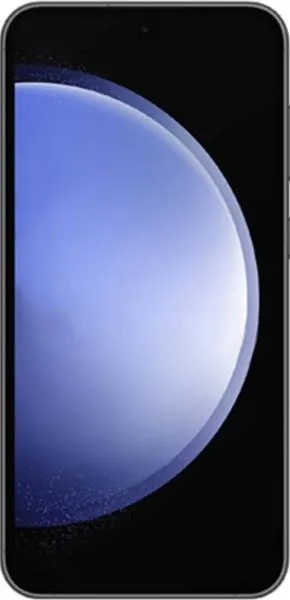
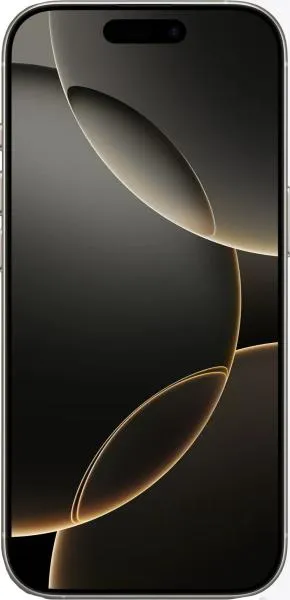
Samsung Galaxy S23 FE vs. Apple iPhone 16 Pro: A Deep Dive
Let's dissect the Samsung Galaxy S23 FE and the Apple iPhone 16 Pro, going beyond the spec sheet to understand what these devices truly offer in the real world.
1. Specifications Breakdown
| Feature | Samsung Galaxy S23 FE | Apple iPhone 16 Pro | Real-World Implications |
|---|---|---|---|
| Design | |||
| Dimensions | 158 x 76.5 x 8.2 mm | 149.6 x 71.5 x 8.3 mm | iPhone 16 Pro is slightly smaller and lighter, potentially offering a more comfortable one-hand use. |
| Weight | 209g | 199g | Noticeable difference in hand, prolonged use might reveal fatigue differences. |
| Display | |||
| Size | 6.4" | 6.3" | Negligible size difference; both offer ample screen real estate. |
| Type | Dynamic AMOLED 2X | LTPO Super Retina XDR OLED | Samsung boasts vibrant colors and deeper blacks; iPhone prioritizes power efficiency and high brightness. |
| Resolution | 1080 x 2340 | 1206 x 2622 | iPhone packs more pixels per inch (ppi), resulting in sharper text and images. |
| Refresh Rate | 120Hz | 120Hz | Both offer smooth scrolling and animations. |
| Peak Brightness | 1450 nits | 2000 nits (HBM) | iPhone's higher peak brightness ensures better visibility in direct sunlight. |
| Performance | |||
| Chipset | Exynos 2200 (4nm) | Apple A18 Pro (3nm) | A18 Pro expected to significantly outperform Exynos 2200 in speed and efficiency. |
| CPU | Octa-core | Hexa-core | Core count difference less important than architectural advantages of A18 Pro. |
| GPU | Xclipse 920 | Apple GPU (6-core) | Expect superior graphics performance from the iPhone, especially in demanding games. |
| RAM | 8GB | 8GB | RAM parity; multitasking performance will depend more on OS and chip optimization. |
| Storage | 256GB | 256GB, 512GB, 1TB | iPhone offers more storage options for power users. |
| Battery Life | |||
| Capacity | 4500 mAh | 3582 mAh | S23 FE has a significantly larger battery capacity, potentially leading to longer battery life. |
Note: Camera specifications were not provided for detailed comparison.
2. Key Insights
The iPhone 16 Pro, leveraging Apple's tight integration of hardware and software, promises superior performance and a refined user experience. The A18 Pro chip is likely a generation ahead of the Exynos 2200, translating to faster app loading, smoother multitasking, and better gaming capabilities. The brighter display enhances outdoor visibility.
However, the Galaxy S23 FE counters with a substantially larger battery, potentially offering longer usage time between charges. Its Dynamic AMOLED 2X display, while slightly less sharp, is known for its vibrant colors and deep blacks. Samsung's Android ecosystem offers more customization options compared to iOS.
3. User Profiles and Recommendations
iPhone 16 Pro: Ideal for users prioritizing raw performance, a polished ecosystem, and a premium user experience. Power users, gamers, and content creators will appreciate its speed and capabilities.
Galaxy S23 FE: Suitable for users seeking a balance of performance, battery life, and affordability. Android enthusiasts who value customization and a potentially longer-lasting battery will find it appealing.
4. Buying Decision Framework
- What is your budget? The iPhone 16 Pro commands a premium price, while the S23 FE positions itself in the mid-range segment.
- What is your priority: performance or battery life? The iPhone excels in performance, while the S23 FE likely offers better battery endurance.
- Which ecosystem do you prefer: iOS or Android? This often comes down to personal preference and familiarity.
My Choice: Apple iPhone 16 Pro
While the S23 FE's larger battery is tempting, I would choose the iPhone 16 Pro. My decision hinges on the anticipated performance advantage of the A18 Pro chip and the overall refined experience offered by the iOS ecosystem. As a tech journalist constantly pushing devices to their limits, raw performance and a seamless user experience are paramount. I'm willing to manage battery life strategically for the significant gains in speed and efficiency. The tighter integration of hardware and software in the Apple ecosystem usually translates to a more polished and predictable user experience, which I value.
