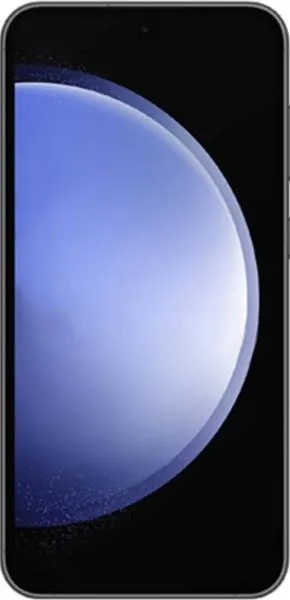
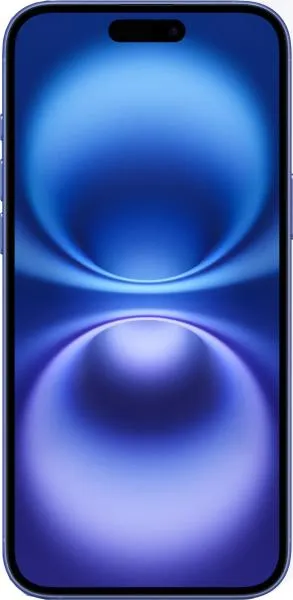
Let's dive into a comparative analysis of the Samsung Galaxy S23 FE and the Apple iPhone 16 Plus, dissecting their specifications and translating them into real-world implications for you.
1. Specifications Breakdown
| Feature | Samsung Galaxy S23 FE | Apple iPhone 16 Plus | Real-World Implications | |
|---|---|---|---|---|
| Design | ||||
| Dimensions | 158x76.5x8.2mm | 160.9x77.8x7.8mm | iPhone 16 Plus is slightly larger and thinner. S23 FE might feel a bit more compact in hand. | |
| Weight | 209g | 199g | iPhone 16 Plus is slightly lighter. Difference is negligible in day-to-day use. | |
| Build Materials | Not specified | Not specified | Build quality impacts durability and premium feel. We need more information for a complete comparison. | |
| Display | ||||
| Display Type | Dynamic AMOLED 2X | Super Retina XDR OLED | Both offer vibrant colors and deep blacks. AMOLED tends to have more saturated colors, while OLED may offer slightly better power efficiency | |
| Size | 6.4" | 6.7" | iPhone 16 Plus offers a larger screen for more immersive content consumption. | |
| Resolution | 1080x2340 | 1290x2796 | iPhone has a sharper display due to higher resolution and pixel density. | |
| Refresh Rate | 120Hz | Not specified | 120Hz on the S23 FE ensures smoother scrolling and animations. Lack of info on iPhone suggests it may use a standard 60Hz panel. | |
| Peak Brightness | 1450 nits | 2000 nits (HBM) | iPhone 16 Plus likely offers better visibility in direct sunlight due to higher peak brightness. "Typical" brightness not specified. | |
| Performance | ||||
| Chipset | Exynos 2200 (4nm) | Apple A18 (3nm) | A18, being a newer generation chip built on a smaller process, is expected to significantly outperform the Exynos 2200. | |
| CPU | Octa-core | Hexa-core | Core count isn't everything; A18's architecture and per-core performance are likely superior. | |
| GPU | Xclipse 920 | Apple GPU (5-core) | Apple typically leads in GPU performance; expect the iPhone to handle graphics-intensive tasks better. | |
| RAM | 8GB | 8GB | RAM is equal, however, how efficiently each OS utilizes it can differ impacting multitasking performance. | |
| Battery Life | ||||
| Capacity | 4500 mAh | 4674 mAh | iPhone 16 Plus has a slightly larger battery. Actual battery life depends on optimization, not just capacity. | |
| Other | ||||
| OS | Android 13 | iOS 18 | Operating systems cater to different preferences. Android offers more customization, iOS is known for its simplicity and security. | |
| Storage | 256GB/8GB | 256GB/8GB, 512GB/8GB | iPhone offers a 512GB storage option for users needing more space. |
2. Key Insights
- Performance: The iPhone 16 Plus, with its newer A18 chip, will likely deliver a significant performance advantage over the S23 FE. This translates to faster app loading, smoother multitasking, and better gaming capabilities.
- Display: While both phones boast excellent displays, the iPhone 16 Plus edges out the S23 FE with its higher resolution, potentially brighter screen. However, the S23 FE's 120Hz refresh rate provides a noticeably smoother user experience in everyday interactions.
- Operating System: The choice between Android and iOS boils down to personal preference. Android offers greater customization, while iOS prioritizes simplicity and a tightly controlled ecosystem.
- Battery Life: While the iPhone 16 Plus has a slightly larger battery, real-world battery life will depend heavily on software optimization.
3. User Profiles and Recommendations
- Power User: The iPhone 16 Plus is geared towards users who demand top-tier performance for demanding tasks like gaming, video editing, and augmented reality applications.
- Enthusiast on a Budget: The S23 FE offers a compelling blend of performance and features at a potentially lower price point, making it an attractive option for budget-conscious users.
- Creative Professional: The iPhone 16 Plus, with its expected superior processing power and potentially better camera system (not detailed here), might be more suitable for creative professionals.
4. Buying Decision Framework
- What is your budget? The S23 FE is likely to be more affordable.
- Is top-tier performance crucial? If so, the iPhone 16 Plus is the likely winner.
- Which operating system do you prefer? This is a matter of personal preference and ecosystem lock-in.
My Choice
If I were choosing between these two devices, I would lean towards the iPhone 16 Plus. While the S23 FE offers a compelling package, the significant performance advantage of the A18 chip, coupled with the sharper display and potential for longer battery life of the iPhone 16 Plus, are decisive factors for me. I prioritize a fluid, responsive user experience, and the A18's raw power, combined with iOS's optimization, typically delivers in this regard. Furthermore, I value the expected longevity of Apple's devices, ensuring software updates and peak performance for years to come. While the price premium might exist, I believe the long-term value proposition of the iPhone 16 Plus aligns better with my needs.
