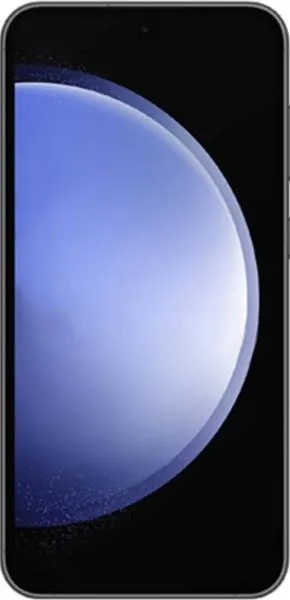
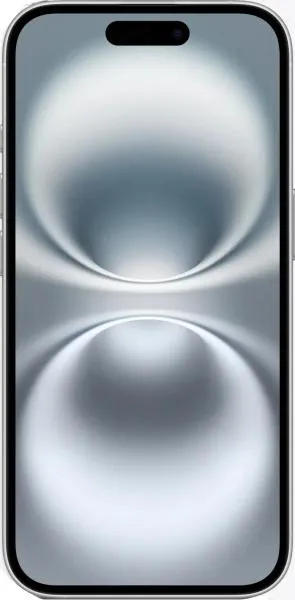
Let's dive into a comparative analysis of the Samsung Galaxy S23 FE and the Apple iPhone 16.
1. Specifications Breakdown
| Feature | Samsung Galaxy S23 FE | Apple iPhone 16 | Real-World Implications |
|---|---|---|---|
| Design | |||
| Dimensions | 158x76.5x8.2mm | 147.6x71.6x7.8mm | iPhone 16 is noticeably smaller and thinner, potentially more pocketable. |
| Weight | 209g | 170g | iPhone 16 is significantly lighter, reducing hand fatigue during extended use. |
| Build Materials | Not specified | Not Specified | Build quality impacts durability and premium feel; information needed for comprehensive comparison. |
| Display | |||
| Size | 6.4" | 6.1" | S23 FE offers a larger screen for more immersive media consumption. |
| Type | Dynamic AMOLED 2X | Super Retina XDR OLED | Both offer vibrant colors and deep blacks; AMOLED generally consumes less power. |
| Resolution | 1080x2340 | 1179x2556 | iPhone 16 boasts a sharper display with higher pixel density (460 vs 403 ppi). |
| Refresh Rate | 120Hz | Not specified | 120Hz on S23 FE provides smoother scrolling and animations. |
| Peak Brightness | 1450 nits | Not Specified | Higher peak brightness on S23 FE enhances outdoor visibility. |
| Performance | |||
| Chipset | Exynos 2200 (4 nm) | Apple A18 (3 nm) | A18 is expected to offer significant performance and efficiency gains over the Exynos 2200. |
| CPU | Octa-core | Hexa-core | Core configuration differences require benchmarks for practical comparison. |
| GPU | Xclipse 920 | Apple GPU (5-core) | Apple's GPUs traditionally excel in graphics performance; real-world gaming tests needed. |
| RAM | 8GB | 8GB | Both offer ample RAM for multitasking. |
| Storage | 256GB | 256GB/512GB | iPhone 16 offers a higher storage tier option. |
| Battery Life | |||
| Capacity | 4500 mAh | 3561 mAh | S23 FE has a larger battery, potentially leading to longer battery life. |
| Software | |||
| OS | Android 13 | iOS 18 | OS preference is subjective and depends on user familiarity and ecosystem preferences. |
2. Key Insights
- Performance: The iPhone 16, with its newer A18 chip fabricated on a 3nm process, is expected to deliver superior performance and efficiency compared to the S23 FE's Exynos 2200. This translates to faster app loading, smoother multitasking, and potentially better gaming performance.
- Display: While the S23 FE boasts a larger display and a 120Hz refresh rate, the iPhone 16 counters with a sharper screen due to its higher pixel density. The choice hinges on user preference: larger screen real estate versus sharper visuals. Missing iPhone 16 peak brightness and refresh rate data prevent a complete comparison.
- Battery Life: The S23 FE's significantly larger battery capacity suggests longer usage time between charges. However, real-world battery life is influenced by various factors, including software optimization, display brightness, and usage patterns.
- Software: The operating system choice is highly personal. Android offers greater customization and flexibility, while iOS is known for its simplicity and tight integration within the Apple ecosystem.
3. User Profiles and Recommendations
- Samsung Galaxy S23 FE: Suitable for users who prioritize a larger display, a high refresh rate for smooth scrolling, and potentially longer battery life. Android enthusiasts who value customization and a wider range of app choices will also gravitate towards the S23 FE.
- Apple iPhone 16: Ideal for users seeking top-tier performance, a sharp display, and a seamless integration with the Apple ecosystem. Those who prioritize ease of use and a premium user experience may prefer the iPhone 16.
4. Buying Decision Framework
- Which operating system do you prefer: Android or iOS? This is often the primary deciding factor for many users.
- What's your budget and storage requirement? Consider the different storage tiers and pricing options available for each device.
- What are your priorities: performance, battery life, display size, or sharpness? Weigh the strengths of each phone against your individual needs.
My Choice: While lacking full display specifications, leaning towards the iPhone 16. The expected performance gains from the A18 chip and the generally superior graphics capabilities of Apple's GPUs are compelling. I value a smooth and responsive user experience, and historically, Apple's A-series chips have delivered in this regard. However, if confirmed, a higher refresh rate display on the iPhone 16 might sway my decision towards the S23 FE. Ultimately, a comprehensive display specification comparison is needed.
