1. Specifications Comparison
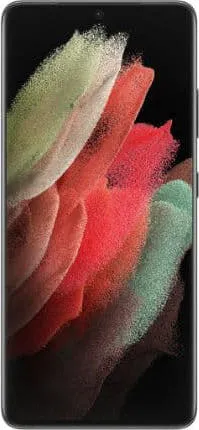
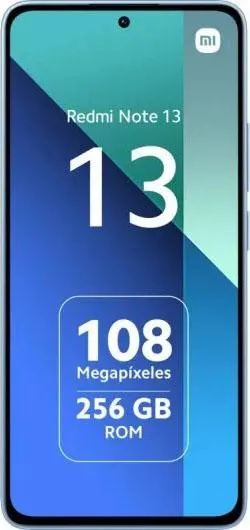
Here's a detailed comparison of the Samsung Galaxy S21 Ultra 5G and the Xiaomi Redmi Note 13 4G, focusing on practical implications:
Design
| Feature | Samsung Galaxy S21 Ultra 5G | Xiaomi Redmi Note 13 4G | Practical Impact |
|---|---|---|---|
| Physical Size | 165.1 x 75.6 x 8.9 mm | 162.3 x 75.6 x 8 mm | S21 Ultra is slightly larger and thicker; Note 13 is more compact for easier handling. |
| Weight | 227g | 188.5g | Note 13 is significantly lighter, more comfortable for extended use. |
| Build Material | Not specified | Not specified | The provided data does not include any information about build material. |
Display
| Feature | Samsung Galaxy S21 Ultra 5G | Xiaomi Redmi Note 13 4G | Practical Impact |
|---|---|---|---|
| Size | 6.8" | 6.67" | S21 Ultra offers a slightly larger viewing area, immersive experience for media. |
| Resolution | 1440x3200 | 1080x2400 | S21 Ultra has a much sharper, more detailed display; better clarity for text and images. |
| PPI | 515 | 395 | S21 Ultra's higher pixel density results in finer details, smoother visuals, less visible pixelation. |
| Technology | AMOLED | AMOLED | Both offer vibrant colors, deep blacks, good viewing angles. |
| Refresh Rate | 120Hz | 120Hz | Both offer smooth scrolling and animation. |
| Brightness | 1500 nits | 1800 nits | Note 13 is significantly brighter, better visibility in direct sunlight. |
| Screen Protection | Corning Gorilla Glass Victus | Corning Gorilla Glass 3 | S21 Ultra offers superior scratch and shatter resistance. |
Performance
| Feature | Samsung Galaxy S21 Ultra 5G | Xiaomi Redmi Note 13 4G | Practical Impact |
|---|---|---|---|
| Chipset | Exynos 2100 (5 nm) - International | Qualcomm SM6225 Snapdragon 685 (6 nm) | S21 Ultra has a much more powerful chipset, faster performance for demanding tasks, gaming, multitasking. |
| AnTuTu Score | 749,000 | 338,000 | S21 Ultra offers significantly faster app loading, smoother multitasking, better performance. |
| GPU | Mali-G78 MP14 - International (ARM Mali-G78 MC14) | Adreno 610 (Adreno 610) | S21 Ultra’s GPU excels in graphically intensive tasks like gaming. |
Camera
| Feature | Samsung Galaxy S21 Ultra 5G | Xiaomi Redmi Note 13 4G | Practical Impact |
|---|---|---|---|
| Standard Camera | 108MP, f/1.8, 1/1.33", 0.80µm pixel size, Samsung S5KHM3 | 108MP, f/1.7, 1/1.67", 0.64µm pixel size, Samsung HM6 | S21 Ultra: larger sensor for better low-light performance; Note 13: slightly wider aperture for low-light. S21 Ultra theoretically captures more light, but note 13 has wider aperture for low light. |
| Telephoto + Portrait | 10.8MP, f/2.4, 1/2.65", 1.22µm pixel size, Samsung S5K3J1 | None | S21 Ultra provides superior zoom capabilities, better portrait photos. |
| Selfie Camera | 44MP, f/2.2, 1/2.65", 0.70µm pixel size, Samsung S5KGH1 | 16MP, f/2.4, 1/3.06", 1.00µm pixel size, Omnivision OV16A1Q | S21 Ultra has higher resolution and a wider aperture, better selfies. |
| Telephoto Lens | 10.8MP, f/4.9, 1/2.65", 1.22µm pixel size, Samsung S5K3J1 | None | S21 Ultra offers additional zoom capabilities. |
| Portrait Mode (Depth) | None | 2MP, f/2.4, 1/5", 1.75µm pixel size, Omnivision OV02B10 | Note 13 has a dedicated depth sensor for enhanced portrait mode, but a smaller sensor. S21 Ultra's telephoto provides similar effect. |
| Wide Angle + Macro | 12.2MP, f/2.2, 1/2.55", 1.40µm pixel size, Sony IMX563 | 8MP, f/2.2, sensor model and pixel size not provided | S21 Ultra captures more detail, potentially better wide angle. |
| Video Recording | 8K@24fps, 4K@60fps with HDR, EIS, Stereo Sound, 1080p@240fps, 720p@960fps | 1080p@30fps | S21 Ultra offers significantly higher video quality, features, better stabilization. |
| Slow-motion | 960fps | 60fps | S21 Ultra excels in slow-motion video. |
| DXOMark Mobile Score | Main: 115 (Photo: 121, Video: 100) | Main: 75 (Photo: 75, Video: 68) | S21 Ultra is far superior in both photo and video. |
| DXOMark Selfie Score | 135 (Photo: 133, Video: 140) | Not Available | S21 Ultra is superior in selfie performance. |
| Camera Features | 4K/8K Video, OIS, Optical Zoom, Laser AF, RAW, Night Mode, Quadruple camera | Digital Zoom, Triple Camera | S21 Ultra's features allow for more creative control, and higher quality results. |
Battery
| Feature | Samsung Galaxy S21 Ultra 5G | Xiaomi Redmi Note 13 4G | Practical Impact |
|---|---|---|---|
| Capacity | 5000mAh | 5000mAh | Both should offer similar battery life under similar usage patterns. |
| Charging | 25W fast charging | 33W fast charging | Note 13 charges faster, less time plugged into wall. |
| Features | Wireless charging 15W, Reverse wireless charging 9W, Reverse charging | None | S21 Ultra can wirelessly charge and share power wirelessly. |
Software and Connectivity
| Feature | Samsung Galaxy S21 Ultra 5G | Xiaomi Redmi Note 13 4G | Practical Impact |
|---|---|---|---|
| OS | Android 11 (upgradable to 15) | Android 13 (upgradable to 16) | Note 13 ships with a newer OS, better long-term software support. |
| WiFi | Wi-Fi 6, MIMO | Wi-Fi 5 | S21 Ultra: faster speeds on compatible networks. |
| Bluetooth | 5.2 | 5.1 | S21 Ultra has a newer version, better power efficiency, improved connectivity range. |
| GPS | L1+L5, E1+E5a | Basic | S21 Ultra offers more precise and accurate location tracking. |
| SIM | Dual SIM, Nano SIM | Dual SIM, Nano SIM | Both can use two SIM cards simultaneously. |
Storage and Audio
| Feature | Samsung Galaxy S21 Ultra 5G | Xiaomi Redmi Note 13 4G | Practical Impact |
|---|---|---|---|
| Internal | 128/256/512 GB | 128/256/512 GB | Both have the same maximum capacity, choose what suits the user. |
| RAM | 12/16 GB | 6/8 GB | S21 Ultra has much more RAM for better multitasking, background app performance. |
| Expandable | No | No | Neither phone supports expandable storage, cloud storage may be necessary. |
| Audio Quality | Dolby Atmos, Hi-Res Audio, Noise cancellation microphone | Dolby Atmos | S21 Ultra has richer sound, clearer calls due to extra features. |
Security, Build Quality, and Sensors
| Feature | Samsung Galaxy S21 Ultra 5G | Xiaomi Redmi Note 13 4G | Practical Impact |
|---|---|---|---|
| Security | Basic fingerprint sensor | Basic fingerprint sensor | Both have basic fingerprint readers. |
| Protection | Corning Gorilla Glass Victus | Corning Gorilla Glass 3 | S21 Ultra has superior screen scratch protection. |
| Sensors | Biometric, Proximity, Motion, Environmental | Biometric, Proximity, Motion | S21 Ultra has a barometer, more accurate environmental data. |
2. Key Differences Analysis
Samsung Galaxy S21 Ultra 5G Advantages:
- Superior Performance: Significantly faster chipset and GPU, better for gaming, multitasking, and demanding apps.
- Better Display: Higher resolution and pixel density for a sharper, more detailed viewing experience, also has superior screen protection.
- More Advanced Camera: Versatile system with telephoto lenses, superior video recording capabilities, higher quality images, especially in low light.
- Wireless Charging and Reverse Charging: Added convenience and versatility.
- More RAM: 12GB or 16GB compared to Redmi Note 13 4G's 6GB or 8GB, leading to better multitasking.
- Advanced Connectivity: Supports Wi-Fi 6, Bluetooth 5.2 and more precise GPS, offering faster speeds and better accuracy.
- Enhanced Audio: Offers Hi-Res audio and noise cancellation microphone for a better audio experience.
Xiaomi Redmi Note 13 4G Advantages:
- Brighter Display: Higher peak brightness, easier to use in bright sunlight.
- Faster Charging: 33W charging allows for quicker battery replenishment.
- Lighter and More Compact: Easier to handle and carry.
- Newer OS: Ships with a newer version of Android, which may mean longer software support.
- Lower Price: Typically available at a more budget-friendly price point.
Trade-offs:
- The S21 Ultra has significantly better performance, camera capabilities, and premium features but is heavier and can be more expensive.
- The Redmi Note 13 4G is more affordable, lighter, with a brighter display, and faster charging, but is less powerful with a less capable camera.
3. User Profiles & Recommendations
Samsung Galaxy S21 Ultra 5G Ideal Users:
- Power Users: Demanding users who need top-tier performance for gaming, video editing, and multitasking.
- Photography Enthusiasts: Users who prioritize high-quality photos and videos with advanced zoom and low-light capabilities.
- Multimedia Consumers: Those who want the best display for viewing content, with Hi-Res audio for immersive sound.
- Professionals: Need a reliable device with wireless charging and precise GPS.
Use Cases:
- Gaming with smooth, high-fidelity graphics.
- Professional-grade photography and videography.
- Heavy multitasking and running demanding applications.
- Long commutes where superior audio and precise GPS is needed.
- Presentations and media consumption using a large, vibrant display.
Xiaomi Redmi Note 13 4G Ideal Users:
- Budget-Conscious Consumers: Users who want good value for their money without breaking the bank.
- Everyday Users: Need a reliable phone for calls, messages, social media, and basic photography.
- Users Who Need Brightness: Those who frequently use their phones outdoors in bright sunlight.
- Users who prioritize light weight: People who have a preference for lighter weight phones.
- Users who prefer newer OS: Those who prefer a more current software.
Use Cases:
- General use like browsing, calls, social media.
- Taking casual photos and videos.
- Viewing content outdoors due to higher brightness.
- Quick charging for people on the go.
- Users who need a simple and reliable phone at a more affordable price.
4. Decision Framework
Key Questions for Buyers:
- What is your primary use case? Do you need top-tier performance for gaming and photography, or is a budget-friendly device sufficient for daily use?
- How important is camera quality? Do you need optical zoom, 4K/8K video recording, and superior low-light performance, or is a capable but basic camera acceptable?
- What are your display preferences? Do you prioritize a higher resolution and pixel density for sharper visuals, or is a brighter display for better visibility in sunlight more important?
Scenario-Based Recommendations:
- Scenario 1: Performance and Photography are Crucial: Choose the Samsung Galaxy S21 Ultra 5G. The superior chipset, advanced camera system, and high-quality display make it the ideal choice.
- Scenario 2: Budget is a Key Consideration: Choose the Xiaomi Redmi Note 13 4G. It offers a bright display, fast charging, and acceptable performance for daily tasks at a lower price point.
- Scenario 3: Need a light weight, bright phone with good battery: Choose the Xiaomi Redmi Note 13 4G. It is lighter, has a brighter display, and offers quick charging capabilities.
My Choice
If I were to choose between these two phones, I would choose the Samsung Galaxy S21 Ultra 5G.
Here's why:
While the Xiaomi Redmi Note 13 4G offers a good value proposition with its brighter display and faster charging, my priorities lean towards a device that excels in performance, camera capabilities, and overall premium experience.
Performance: As someone who uses my phone for a variety of tasks, including gaming and photo editing, the significantly higher performance of the S21 Ultra is a major draw. The Exynos 2100 chipset and more RAM will ensure smoother multitasking and better performance.
Camera Quality: Photography is important to me, and the S21 Ultra's advanced camera system with telephoto lenses, 8K video recording, and excellent low-light performance is a significant advantage.
Display Experience: I prefer the sharper display of the S21 Ultra. The higher resolution and pixel density provide a more detailed and immersive viewing experience. Although it has lower brightness, I rarely find myself in situations where that becomes a massive issue.
Premium Features: The inclusion of wireless charging, reverse wireless charging, and superior build quality adds to the overall premium feel of the S21 Ultra.
The Redmi Note 13 4G is a great choice for budget-conscious consumers and those who value a lighter phone with a brighter display, but the performance, camera, and overall premium features of the S21 Ultra align more with my needs and priorities.
