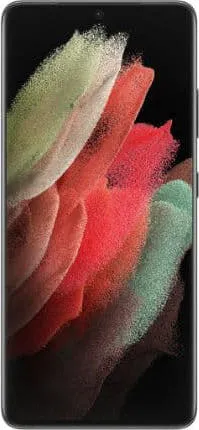
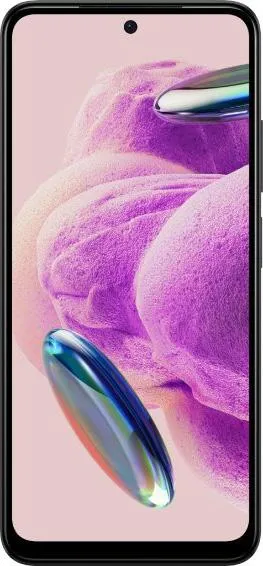
1. Specifications Comparison
| Feature | Samsung Galaxy S21 Ultra 5G | Xiaomi Redmi Note 12S | Practical Impact |
|---|---|---|---|
| Design | |||
| Dimensions | 165.1 × 75.6 × 8.9 mm | 159.9 × 73.9 × 8.1 mm | S21 Ultra is larger and slightly bulkier, Note 12S is more compact and pocketable. |
| Weight | 227g | 176g | S21 Ultra is significantly heavier, can be less comfortable for extended use; Note 12S is lighter and easier to handle. |
| Display | |||
| Size | 6.8" | 6.43" | S21 Ultra has a larger screen for immersive viewing; Note 12S is slightly more compact. |
| Resolution | 1440x3200 | 1080x2400 | S21 Ultra has a sharper, more detailed display; Note 12S is still crisp but not as detailed. |
| Pixel Density | 515 ppi | 409 ppi | S21 Ultra has noticeably sharper text and images. |
| Technology | AMOLED | AMOLED | Both offer vibrant colors and deep blacks. |
| Refresh Rate | 120Hz | 90Hz | S21 Ultra has smoother scrolling and animations. |
| Brightness | 1500 nits | 1000 nits | S21 Ultra is much better for outdoor visibility in bright sunlight. |
| Performance | |||
| Chipset | Exynos 2100 (5 nm) | Mediatek Helio G96 (12 nm) | S21 Ultra has a significantly more powerful processor, resulting in faster app loading and smoother performance. |
| AnTuTu Score | 749,000 | 412,400 | S21 Ultra offers a substantially faster experience in everyday tasks, heavy gaming, and multitasking. |
| GPU | Mali-G78 MP14 | Mali-G57 MC2 | S21 Ultra offers a superior graphics performance for demanding games and graphic-intensive tasks. |
| Camera | |||
| Main Camera | 108MP, f/1.8, 1/1.33" sensor | 108MP, f/1.8, 1/1.52" sensor | S21 Ultra captures more detail and performs better in low light due to the larger sensor. |
| Telephoto Camera(s) | 10.8MP (x2) | None | S21 Ultra has dedicated telephoto lenses for better optical zoom and portrait mode. |
| Ultrawide Camera | 12.2MP, f/2.2, 1/2.55" sensor | 8MP, f/2.2 | S21 Ultra ultrawide lens has higher resolution. |
| Macro Camera | None | 2MP, f/2.4 | Note 12S has a dedicated macro lens for close-up shots. |
| Selfie Camera | 44MP, f/2.2 | 16MP, f/2.4 | S21 Ultra has a higher resolution selfie camera, resulting in better detail and improved low-light capabilities. |
| Video | Up to 8K@24fps | Up to 1080p@30fps | S21 Ultra is capable of recording professional-quality 8K videos. |
| DxOMark Score | Mobile: 115, Selfie: 135 | Not Available | S21 Ultra's camera performs much better according to DxOMark. |
| Battery | |||
| Capacity | 5000mAh | 5000mAh | Both phones have similar battery life. |
| Charging | 25W Fast Charging | 33W Fast Charging | Note 12S charges faster than the S21 Ultra. |
| Wireless Charging | 15W | None | S21 Ultra has the convenience of wireless charging. |
| Software | |||
| OS | Android 11, upgradable to 15 | Android 13, upgradeable version not specified | Note 12S has a newer Android version out of the box, but S21 Ultra is upgradeable to a higher version. |
| Connectivity | |||
| Wi-Fi | WiFi 6 | WiFi 5 | S21 Ultra has access to faster Wi-Fi speeds on compatible networks. |
| Bluetooth | 5.2 | 5.2 | Both have Bluetooth 5.2. S21 Ultra has more advanced Bluetooth features. |
| GPS | L1+L5, E1+E5a | L1, E1 | S21 Ultra has better location accuracy due to dual-band GPS support. |
| Storage | |||
| Internal Storage | 128/256/512 GB | 64/128/256 GB | S21 Ultra offers more maximum internal storage and more options. |
| RAM | 12/16 GB | 6/8 GB | S21 Ultra has much more RAM for smoother multitasking. |
| Expandable Storage | No | No | Neither phone has expandable storage. |
| Audio | |||
| Features | Dolby Atmos, Hi-Res Audio, Noise cancellation microphone | Hi-Res Audio | S21 Ultra offers more immersive sound experience. |
| Security | |||
| Fingerprint sensor | Basic fingerprint sensor | Side-mounted fingerprint sensor | Note 12S has a more convenient and modern sensor. |
| Build Quality | |||
| Screen Protection | Corning Gorilla Glass Victus | Corning Gorilla Glass 3 | S21 Ultra has superior scratch and drop resistance. |
| Sensors | |||
| Additional Sensors | Barometer, Hall, Geomagnetic | Ultrasonic virtual proximity | S21 Ultra is better equipped for advanced features and gaming |
2. Key Differences Analysis
Samsung Galaxy S21 Ultra 5G Advantages:
- Superior Display: Larger, higher resolution, higher pixel density, brighter, and smoother (120Hz) display for a much more immersive visual experience.
- Much More Powerful Performance: Significantly faster processor and GPU, resulting in smoother operation, faster app launches, and superior gaming capabilities.
- Advanced Camera System: Features a versatile quad-camera system with telephoto lenses for better optical zoom, a higher resolution ultrawide lens and a higher resolution selfie camera, all contributing to better photos and video in all conditions.
- Advanced Video Recording: Capable of recording 8K video for professional-grade quality.
- Better Wireless Charging: Supports fast wireless charging and reverse wireless charging.
- More Advanced Connectivity: Supports faster Wi-Fi 6 and dual-band GPS for better location accuracy.
- More RAM and Storage: Offers more RAM (up to 16GB) and storage options (up to 512GB) for multitasking and storing more files.
- Superior Build Quality: Has Gorilla Glass Victus for better screen protection.
- Dolby Atmos and Noise cancellation microphone: Enhanced audio experience
Xiaomi Redmi Note 12S Advantages:
- Lighter and More Compact: Easier to handle and carry for extended periods.
- Faster Charging: Charges faster (33W) compared to the Samsung (25W).
- Newer Android Version: Runs a newer version of Android out of the box (though the S21 Ultra is upgradeable).
- Side-Mounted Fingerprint Sensor: Considered to be a more convenient sensor placement by many users.
- Dedicated Macro Lens: Offers a dedicated macro lens for close-up photography.
- More affordable: Significantly lower price point.
Trade-offs:
- S21 Ultra: Heavier and bulkier, less pocketable. Lacks a macro lens. Does not include a charger in the box.
- Note 12S: Lower performance, weaker camera, less sharp and bright screen, lacks features such as wireless charging and advanced connectivity.
3. User Profiles & Recommendations
Samsung Galaxy S21 Ultra 5G is Ideal For:
- Power Users: Those who demand top performance for gaming, video editing, and other demanding tasks.
- Photography Enthusiasts: Users who want the best camera system for capturing high-quality photos and videos, and want a versatile set of lenses to do so.
- Multimedia Consumers: Users who value a large, high-resolution display with vibrant colors for watching videos and browsing content.
- Professionals: Individuals who need a device capable of handling intensive productivity tasks, video conferencing, and high-quality multimedia content creation.
- Outdoor Users: Individuals needing high brightness for outdoor visibility.
Users looking for a flagship experience: People who are willing to pay more for premium features and performance.
- Use Cases: Mobile gaming, professional photography and videography, complex mobile editing workflows, frequent outdoor use in sunny conditions, mobile workstations for on-the-go professionals.
Xiaomi Redmi Note 12S is Ideal For:
- Budget-Conscious Users: Those looking for a capable smartphone without breaking the bank.
- Everyday Users: Individuals who need a reliable device for general use like calling, texting, social media, browsing the internet and basic photography.
- Users who prioritize portability: Those who prefer a lighter and more compact phone.
- Users who prioritize fast charging: Those who want a phone that can charge quickly.
Casual Photographers: Users who take occasional photos and want a dedicated macro lens.
- Use Cases: Social media browsing, casual photography, watching videos, general productivity tasks, fast-paced daily usage.
4. Decision Framework
Key Questions for Buyers:
- What is your budget? The S21 Ultra is significantly more expensive than the Note 12S, so if budget is a primary concern, the Redmi is the clear choice.
- What are your performance needs? Do you need a phone for demanding tasks like gaming and content creation, or is basic performance sufficient? If the former, the S21 Ultra is the better choice. If the latter, the Redmi Note 12S will do just fine.
- How important are camera quality and features? If you want a versatile camera system and high-quality video recording, the S21 Ultra is the superior choice. If you're just looking for basic camera capabilities, the Redmi Note 12S is sufficient.
Scenario-Based Recommendations:
- Scenario 1: Heavy user focused on performance and camera quality. If you need a phone for intensive tasks such as gaming, photo/video editing, and prefer a versatile camera system with telephoto lenses, the Samsung Galaxy S21 Ultra 5G is the best choice, despite the higher price.
- Scenario 2: Budget-conscious user needing a reliable device for everyday tasks. If you need a phone for basic tasks and want a lighter, more compact device that is also affordable and charges quickly, the Xiaomi Redmi Note 12S is the better option.
- Scenario 3: User who values display quality and outdoor visibility. If you prioritize having a bright and smooth display for outdoor usage, the Samsung Galaxy S21 Ultra 5G is the clear winner with a higher resolution, smoother refresh rate and notably higher brightness.
My Choice:
If I had to choose, I would pick the Samsung Galaxy S21 Ultra 5G.
Here's why: While the Redmi Note 12S is a competent phone for its price, the S21 Ultra offers a significantly superior user experience in several crucial aspects. I value a vibrant, high-resolution display for media consumption and appreciate the responsiveness of a high refresh rate, which the S21 Ultra delivers. Its processing power is considerably higher, providing smoother and faster performance for all kinds of tasks, including heavy gaming, photo and video editing, and multitasking, which are all activities I engage in. The camera system on the S21 Ultra is much more versatile, offering a range of lenses and features, especially the optical zoom, that I would prefer over a dedicated macro lens (which I could forgo for better overall quality). Lastly, though it does have a more basic fingerprint sensor, I would choose the slightly better overall software, build quality, wireless charging and higher storage and RAM.
While I understand the Redmi Note 12S is more budget-friendly and has its own strengths, the Samsung Galaxy S21 Ultra's superior performance, display, camera, and build quality align better with my priorities and needs as a user who values a premium experience.
