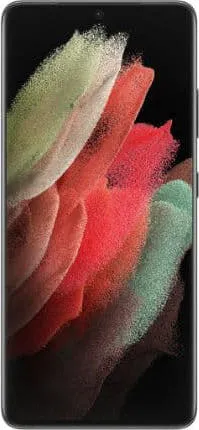
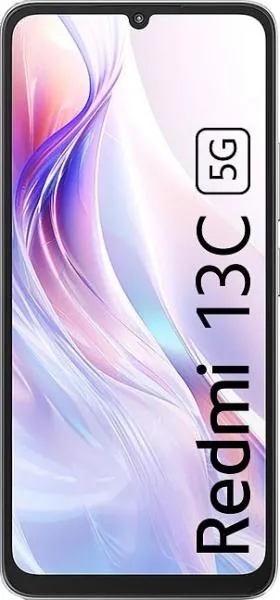
1. Specifications Comparison
Design
| Feature | Samsung Galaxy S21 Ultra 5G | Xiaomi Redmi 13C 5G | Practical Impact |
|---|
| Dimensions | 165.1 x 75.6 x 8.9 mm | 168 x 78 x 8.1 mm | Xiaomi is taller and wider, Samsung is thicker. S21 Ultra might feel more premium due to its build. |
| Weight | 227g | 192g | Redmi 13C 5G is significantly lighter, making it more comfortable for extended one-handed use. |
| Build Quality | Corning Gorilla Glass Victus | Unknown | S21 Ultra has superior screen protection; Redmi 13C's screen protection is unknown. |
Display
| Feature | Samsung Galaxy S21 Ultra 5G | Xiaomi Redmi 13C 5G | Practical Impact |
|---|
| Size | 6.8" | 6.74" | Negligible difference in size; both offer immersive viewing experiences. |
| Resolution | 1440 x 3200 | 720 x 1600 | S21 Ultra's display is significantly sharper, resulting in clearer text and images. |
| PPI | 515 | 260 | S21 Ultra has a much higher pixel density, resulting in a sharper and more detailed display. |
| Technology | AMOLED | IPS LCD | S21 Ultra has superior color, contrast, and power efficiency; better blacks and more vibrant colors. |
| Refresh Rate | 120Hz | 90Hz | S21 Ultra provides smoother scrolling and animations. |
| Brightness | 1500 nits | 0 nits | S21 Ultra offers superior outdoor visibility in bright sunlight; Redmi 13C brightness is not specified. |
Performance
| Feature | Samsung Galaxy S21 Ultra 5G | Xiaomi Redmi 13C 5G | Practical Impact |
|---|
| Chipset | Exynos 2100 (5 nm) | Mediatek Dimensity 6100+ (6 nm) | S21 Ultra's chipset is more powerful for demanding apps and games. |
| AnTuTu Score | 749,000 | 442,000 | S21 Ultra offers significantly better overall performance and responsiveness. |
| GPU | Mali-G78 MP14 | Mali-G57 MC2 | S21 Ultra handles graphics-intensive games much better. |
Camera
| Feature | Samsung Galaxy S21 Ultra 5G | Xiaomi Redmi 13C 5G | Practical Impact |
|---|
| Standard Camera | 108MP, f/1.8, 1/1.33" | 50MP, f/1.8, 1/2.76" | S21 Ultra captures more detailed photos with a larger sensor and higher resolution, better low-light performance. |
| Telephoto + Portrait | 10.8MP, f/2.4, 1/2.65" | Not Available | S21 Ultra offers dedicated telephoto capabilities, better for portraits with depth. |
| Selfie Camera | 44MP, f/2.2, 1/2.65" | 5MP, f/2.0 | S21 Ultra's selfie camera captures significantly higher-resolution images with more detail. |
| Telephoto Lens | 10.8MP, f/4.9, 1/2.65" | Not Available | S21 Ultra offers a dedicated telephoto camera with greater zoom capabilities. |
| Wide Angle + Macro Lens | 12.2MP, f/2.2, 1/2.55" | Not Available | S21 Ultra captures wide shots and macro images. |
| Video | Up to 8K@24fps, 4K@60fps, various HDR/EIS options | 1080p@30fps | S21 Ultra captures much higher-quality videos, suitable for professional use. |
| DxOMark Mobile Score | Main: 115, Photo: 121, Video: 100; Selfie:135 | Main: 63, Photo: 58, Video: 82 | S21 Ultra significantly outperforms Redmi in both photo and video quality for main camera and offers selfie camera performance |
| Camera Features | Extensive features including OIS, zoom, RAW, and night mode | Standard features like HDR, autofocus, scene modes. | S21 Ultra offers far greater flexibility and control over photography and videography. |
Battery
| Feature | Samsung Galaxy S21 Ultra 5G | Xiaomi Redmi 13C 5G | Practical Impact |
|---|
| Capacity | 5000mAh | 5000mAh | Both offer comparable battery life. |
| Charging | 25W fast charging | 18W fast charging | S21 Ultra charges faster, reducing downtime. |
| Features | Wireless charging, reverse charging, No charger in-box | Reverse charging | S21 Ultra offers wireless charging convenience; Redmi 13C includes a charger in the box. |
2. Key Differences Analysis
Samsung Galaxy S21 Ultra 5G Advantages:
- Superior Display: Significantly higher resolution, AMOLED technology, 120Hz refresh rate, and much higher brightness result in a far better visual experience.
- Much More Powerful Performance: The Exynos 2100 chipset and higher AnTuTu score deliver faster app loading, better multitasking, and smoother gaming.
- Advanced Camera System: Multiple lenses, higher resolution, better sensor sizes, 8K video recording and a much higher DxOMark score provide unparalleled photographic and videographic capabilities.
- Premium Features: Wireless charging, better audio features (Dolby Atmos), more advanced security features, and a richer set of sensors.
- Better Connectivity: Supports newer WiFi standards, more Bluetooth profiles, and more satellite navigation systems
Xiaomi Redmi 13C 5G Advantages:
- Lighter: More comfortable for extended periods of use.
- Newer Bluetooth Version: May offer better audio connectivity.
- Lower Price Point: Significantly more affordable for budget-conscious users.
Trade-offs:
- S21 Ultra: Heavier, older, and more expensive, does not come with a charger.
- Redmi 13C: Lower display quality, significantly lower performance, much weaker camera, and lacks premium features.
3. User Profiles & Recommendations
Samsung Galaxy S21 Ultra 5G Ideal Users:
- Photography/Videography Enthusiasts: Those who need high-quality images and videos with advanced features.
- Power Users: Gamers, multitaskers, and those running demanding apps.
- Multimedia Consumers: People who value high-quality displays and sound for watching videos and consuming content.
- Professionals: Users who need a reliable, high-performance phone with a versatile camera system.
Xiaomi Redmi 13C 5G Ideal Users:
- Budget-Conscious Buyers: Those who prioritize affordability over advanced features.
- Basic Smartphone Users: Individuals who primarily use their phones for calls, texting, and social media.
- Users Needing Long Battery Life: People who need a phone that lasts all day without frequent charging (although both have similar battery capacities, the 13C will likely have more runtime due to its lower resolution screen and less demanding processor)
- Users who prioritize lightweight phones: Those who find heavy phones uncomfortable.
Use Cases:
- Samsung Galaxy S21 Ultra 5G:
- Professional photography/videography projects
- Gaming and other graphics-intensive tasks
- Watching high-resolution videos and movies
- Heavy multitasking and productivity tasks
- Using GPS for navigation in urban environments
- Xiaomi Redmi 13C 5G:
- Basic social media browsing
- Casual mobile gaming
- Web browsing and emails
- Streaming music and podcasts
- Everyday communication and messaging
Price-to-Value Ratio:
- Samsung Galaxy S21 Ultra 5G: Offers cutting-edge features, premium build quality, and top-tier performance but at a significantly higher price point.
- Xiaomi Redmi 13C 5G: Provides essential smartphone features at a low cost, representing good value for budget-conscious users.
4. Decision Framework
Key Questions for Buyers:
- What is your budget? The price difference is significant.
- How important are display and camera quality to you? The S21 Ultra is far superior.
- What are your primary usage scenarios? Casual vs. power user or creative professional.
Scenario-Based Recommendations:
- Scenario 1: Professional Photographer/Videographer:
- Recommendation: Samsung Galaxy S21 Ultra 5G. The superior camera capabilities are essential.
- Scenario 2: Budget-Conscious User with Basic Needs:
- Recommendation: Xiaomi Redmi 13C 5G. It provides fundamental smartphone features at a low cost.
- Scenario 3: A User who Prioritizes Performance for Gaming and Content Consumption:
- Recommendation: Samsung Galaxy S21 Ultra 5G. The processor, display, and audio capabilities are far superior.
My Choice
If I were choosing, I would select the Samsung Galaxy S21 Ultra 5G, even though it is an older device. My decision is primarily based on the dramatically superior display, camera system, and performance. While the Xiaomi Redmi 13C 5G offers better value for the cost-conscious buyer, the S21 Ultra is simply in a different class for anyone who prioritizes quality and versatility, and I personally prioritize these things in a device. The AMOLED screen, much higher resolution, 120Hz refresh rate, and the powerful chipset of the S21 Ultra make it a vastly better experience for daily use, content consumption, and gaming. I also value the superior camera system for its versatility in both photo and video. Even though it is a heavier phone, the feature set is much more beneficial to me, and I value these benefits more than weight or the potential for better battery life, and I can look for deals on a good charger.