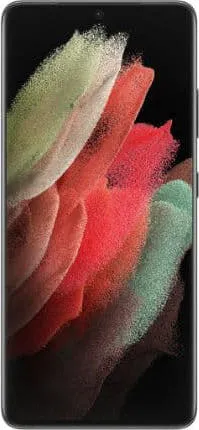
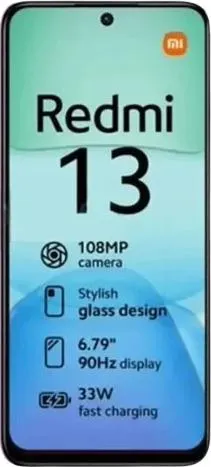
Smartphone Comparison: Samsung Galaxy S21 Ultra 5G vs. Xiaomi Redmi 13
1. Specifications Comparison
| Feature | Samsung Galaxy S21 Ultra 5G | Xiaomi Redmi 13 | Practical Impact |
|---|---|---|---|
| Design | |||
| Dimensions | 165.1 × 75.6 × 8.9 mm | 168.6 × 76.3 × 8.3 mm | S21 Ultra slightly shorter and thicker; Redmi 13 slightly taller and thinner, affects in-hand feel and pocketability. |
| Weight | 227g | 205g | Redmi 13 is noticeably lighter, which could improve comfort during extended use. |
| Display | |||
| Size | 6.8" | 6.79" | Almost identical screen size, negligible difference for most users. |
| Resolution | 1440x3200 | 1080x2460 | S21 Ultra has significantly sharper and more detailed display, noticeable for text, images and videos. |
| PPI | 515 | 396 | S21 Ultra offers a much crisper display, resulting in a better viewing experience. |
| Technology | AMOLED | IPS LCD | S21 Ultra has superior contrast, black levels, and vibrant colors. AMOLED is also more power efficient with dark themes. |
| Refresh Rate | 120Hz | 90Hz | S21 Ultra provides smoother scrolling and animations, though both feel fluid. |
| Brightness | 1500 nits | 0 nits | S21 Ultra has vastly superior outdoor visibility in bright sunlight. Redmi 13's brightness is unknown and may struggle outdoors. |
| Performance | |||
| Chipset | Exynos 2100 (5 nm) | Mediatek Helio G91 Ultra (12 nm) | S21 Ultra's chipset is significantly faster and more power efficient, leading to better performance in demanding apps and games. |
| AnTuTu Score | 749,000 | 269,266 | S21 Ultra offers much faster app loading, smoother multitasking and significantly better gaming performance. |
| GPU | Mali-G78 MP14 | Mali-G52 MC2 | S21 Ultra's GPU is more powerful, resulting in smoother graphics in games and demanding apps. |
| Battery | |||
| Capacity | 5000 mAh | 5030 mAh | Both have similar capacity, suggesting comparable battery life. |
| Charging | 25W | 33W | Redmi 13 charges slightly faster. |
| Features | Wireless charging 15W, Reverse wireless charging 9W, Reverse charging | Reverse charging | S21 Ultra offers wireless charging options, a key differentiator for some users. Neither phone includes a charger in the box. |
| Camera | |||
| Standard Rear Camera | 108MP, f/1.8, 1/1.33" sensor, 0.80µm pixels | 108MP, f/1.8 | Both have 108MP standard cameras. The sensor size and pixel size differences of the Samsung S21 Ultra potentially offer better low-light performance. Sensor information missing for the Redmi 13. |
| Telephoto + Portrait Camera | 10.8MP, f/2.4, 1/2.65" sensor, 1.22µm pixels | None | S21 Ultra includes a dedicated telephoto lens for better zoom quality and portrait shots. |
| Selfie Camera | 44MP, f/2.2, 1/2.65" sensor, 0.70µm pixels | 13MP | S21 Ultra has a significantly higher resolution front-facing camera, leading to more detailed selfies. Pixel size and sensor information are missing for Redmi 13. |
| Telephoto Lens | 10.8MP, f/4.9, 1/2.65" sensor, 1.22µm pixels | None | S21 Ultra includes a dedicated telephoto lens for more versatile zoom options. |
| Portrait mode (depth) | None | 2MP, f/2.4 | Redmi 13 includes a depth sensor for improved portrait mode effects, though this may be of limited quality. |
| Wide Angle + Macro | 12.2MP, f/2.2, 1/2.55" sensor, 1.40µm pixels | None | S21 Ultra has a dedicated wide-angle and macro lens for more versatile shooting options. |
| Video Recording | Up to 8K@24fps | Up to 1080p@30fps | S21 Ultra offers significantly higher video resolution, excellent for videography. |
| DxOMark Camera Scores | Mobile: 115, Selfie: 135 | Not tested | S21 Ultra's camera performance is rated by DxOMark, while the Redmi 13 does not have any rating, indicating significantly superior imaging capability for the S21 Ultra. |
| Camera Features | 8K Video, Optical zoom, Quadruple camera, OIS, Laser AF, PDAF, Panorama, RAW, Night Mode | Digital zoom, Dual camera, Manual focus, HDR | S21 Ultra has more advanced features like optical zoom, OIS, and RAW capture, while the Redmi 13 has basic camera features. |
| Software | |||
| Operating System | Android 11, upgradable to 15 | Android 14 | Redmi 13 has a newer base Android version. S21 Ultra is upgradable to Android 15. |
| Connectivity | |||
| Wi-Fi | WiFi 6 (802.11ax) | 802.11ac | S21 Ultra supports faster and more efficient Wi-Fi 6 standard. |
| Bluetooth | Bluetooth 5.2 | Bluetooth 5.3 | Redmi 13 uses a slightly newer Bluetooth version. S21 Ultra supports more advanced profiles. |
| GPS | GPS (L1+L5), Galileo (E1+E5a) | GPS, A-GPS, GLONASS, Beidou, Galileo | S21 Ultra supports more satellite systems for greater location accuracy and speed. |
| SIM | Dual SIM Dual Standby (Nano SIM + Nano SIM) | Dual SIM Dual Standby (Nano SIM + Nano SIM) | Both support dual SIM functionality. |
| Storage | |||
| Internal Storage | 128/256/512 GB | 128/256 GB | S21 Ultra offers more maximum internal storage. |
| RAM | 12/16 GB | 6/8 GB | S21 Ultra has significantly more RAM, leading to smoother performance, particularly with multitasking. |
| Expandable Storage | No | No | Neither phone has expandable storage. |
| Audio | |||
| Audio Quality | Dolby Atmos, Hi-Res Audio, Noise cancellation microphone, Stereo Speakers | Basic audio features | S21 Ultra has far superior audio playback quality with better microphone for noise cancellation, excellent for music enthusiasts and calls. |
| Security | |||
| Features | basic fingerprint sensor | side-mounted fingerprint sensor | Redmi 13 has a more convenient side-mounted fingerprint reader. |
| Build Quality | |||
| Screen Protection | Corning Gorilla Glass Victus | Unknown | S21 Ultra has superior screen protection. |
| Sensors | |||
| Sensors | Fingerprint, Proximity, Accelerometer, Compass, Gyroscope, Barometer | Fingerprint, Accelerometer, Compass, Gyroscope, Ultrasonic proximity virtual | S21 Ultra has more sensors, such as a barometer, which may be useful for some users. Redmi 13 uses a virtual proximity sensor. |
2. Key Differences Analysis
Samsung Galaxy S21 Ultra 5G Advantages:
- Superior Display: Higher resolution, AMOLED technology, higher refresh rate, and significantly higher brightness make for a vastly superior viewing experience, especially outdoors.
- Significantly More Powerful Performance: The Exynos 2100 chipset provides far better performance for gaming, demanding apps, and multitasking.
- More Versatile Camera System: Dedicated telephoto and wide-angle lenses, along with significantly higher video resolution, provide better photo and video quality.
- Advanced Audio Features: Dolby Atmos, Hi-Res Audio, and stereo speakers result in a much richer audio experience.
- Wireless Charging: The inclusion of wireless charging and reverse wireless charging provides greater convenience.
- More RAM Options: Up to 16 GB of RAM allows for seamless multitasking.
Xiaomi Redmi 13 Advantages:
- Newer Operating System: Comes with Android 14 out of the box.
- Lighter Design: More comfortable for extended use.
- Faster Charging: 33W charging is slightly faster than the S21 Ultra's 25W.
- Side-mounted Fingerprint Sensor: More convenient for some users.
- Lower Price: Likely to be significantly more affordable than the S21 Ultra.
Trade-offs:
- Samsung Galaxy S21 Ultra 5G: Older phone with potentially less software support compared to newer models. Higher price point.
- Xiaomi Redmi 13: Lower display quality, significantly less powerful processor, and a more basic camera system. May feel sluggish for some users.
3. User Profiles & Recommendations
Samsung Galaxy S21 Ultra 5G:
- Ideal User: Power users, photography enthusiasts, and anyone who values top-tier performance and display quality.
- Use Cases:
- Professional photography and videography.
- Mobile gaming.
- Demanding multitasking, running multiple apps, and heavy usage.
- Viewing HDR content and detailed media.
- Anyone who needs excellent outdoor visibility.
Xiaomi Redmi 13:
- Ideal User: Budget-conscious buyers looking for a basic smartphone for everyday use.
- Use Cases:
- Casual web browsing and social media.
- Basic photography and video recording for social sharing.
- Users who prioritize a lighter design and battery life.
- Users who prefer a side-mounted fingerprint reader.
4. Decision Framework
Key Questions for Buyers:
- How important is display quality? (Is a high-resolution AMOLED display with excellent outdoor visibility a priority?)
- What is the primary use case for the phone? (Is it for demanding tasks like gaming, professional photography, or basic everyday use?)
- What is your budget? (Are you willing to pay a premium for top-tier performance, or are you seeking a budget-friendly option?)
Scenario-Based Recommendations:
- If you need the absolute best display, performance, and camera capabilities, and budget is less of a concern: The Samsung Galaxy S21 Ultra 5G is the superior choice.
- If you need a budget-friendly device for basic tasks with a focus on battery life and a lighter design: The Xiaomi Redmi 13 is a more sensible option.
- If you need a good balance between performance and price: Neither of these phones fit into this category. You should consider other smartphones.
My Choice
If I had to choose between these two phones, I would pick the Samsung Galaxy S21 Ultra 5G, despite it being older. My reasoning is based on the significant difference in display quality and overall performance. As a user who values a superior display for content consumption and smooth performance for demanding apps and gaming, the S21 Ultra's strengths heavily outweigh the advantages of the Redmi 13. While the Redmi 13 is lighter and has slightly faster charging, those benefits are not as crucial to me as the overall experience offered by the S21 Ultra. The excellent camera is also a big draw, given my appreciation for photography. While the lack of a charger is annoying, I have spare chargers and the wireless charging features somewhat mitigate this limitation. Finally the added storage capacity and RAM also give more headroom for a device that could be in use for a number of years.
