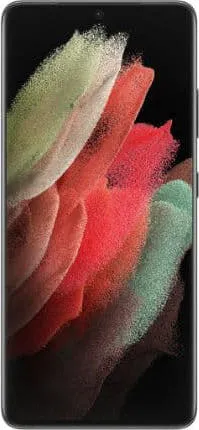
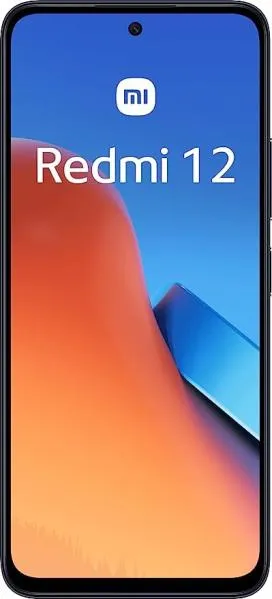
1. Specifications Comparison
Here's a detailed comparison of the two phones, focusing on practical implications for the user:
Design
| Feature | Samsung Galaxy S21 Ultra 5G | Xiaomi Redmi 12 | Practical Impact |
|---|---|---|---|
| Dimensions | 165.1 × 75.6 × 8.9 mm | 168.6 × 76.3 × 8.2 mm | S21 Ultra is slightly shorter and thicker; Redmi 12 is taller and thinner. Overall, S21 Ultra is more voluminous. |
| Weight | 227g | 198.5g | Redmi 12 is significantly lighter, making it more comfortable for extended use and less tiring to hold. |
| Build | Gorilla Glass Victus Screen (S21 Ultra), Unknown Screen (Redmi 12) | Unknown Screen Protection | S21 Ultra has better scratch and drop resistance on screen. Redmi 12's screen protection is not specified. |
Display
| Feature | Samsung Galaxy S21 Ultra 5G | Xiaomi Redmi 12 | Practical Impact |
|---|---|---|---|
| Size | 6.8" | 6.79" | Negligible difference in screen size; both offer a large viewing area. |
| Resolution | 1440x3200 | 1080x2460 | S21 Ultra offers much sharper images with higher pixel density, resulting in a more detailed and crisp display. |
| PPI | 515 | 396 | S21 Ultra has noticeably sharper visuals, better for reading text and viewing high-resolution content. |
| Technology | AMOLED | IPS LCD | S21 Ultra has superior color reproduction, deeper blacks, better contrast, and is more power-efficient, especially with dark themes. |
| Refresh Rate | 120Hz | 90Hz | S21 Ultra provides smoother scrolling and animations, enhancing the user experience during fast-paced games and navigation. |
| Brightness | 1500 nits | 0 nits | S21 Ultra screen is much brighter, offering vastly superior visibility in direct sunlight and outdoor conditions. |
Performance
| Feature | Samsung Galaxy S21 Ultra 5G | Xiaomi Redmi 12 | Practical Impact |
|---|---|---|---|
| Chipset | Exynos 2100 (5 nm) | Mediatek Helio G88 (12 nm) | S21 Ultra provides significantly faster processing for demanding tasks, gaming, and app multitasking, due to smaller fabrication process and more powerful chipset |
| Antutu Score | 749,000 | 249,400 | S21 Ultra performs dramatically better, with roughly three times the performance of the Redmi 12 based on benchmark scores, ideal for gaming and heavy apps. |
| GPU | Mali-G78 MP14 | Mali-G52 MC2 | S21 Ultra's GPU is significantly more powerful, translating to smoother and higher-quality graphics for gaming and video editing. |
Camera
| Feature | Samsung Galaxy S21 Ultra 5G | Xiaomi Redmi 12 | Practical Impact |
|---|---|---|---|
| Main Camera | 108MP, f/1.8, 1/1.33" sensor, 0.8µm pixels | 50MP, f/1.8, 1/2.76" sensor, 0.64µm pixels | S21 Ultra captures much more detailed images with larger sensor and higher resolution. It performs better in low light. |
| Telephoto + Portrait | 10.8MP, f/2.4, 1/2.65" sensor, 1.22µm pixels | N/A | S21 Ultra has dedicated portrait capabilities, offering more versatile photography. |
| Selfie Camera | 44MP, f/2.2, 1/2.65" sensor, 0.7µm pixels | 8MP, f/2.1 | S21 Ultra captures significantly more detailed selfies with higher resolution, Xiaomi has a slightly wider aperture. |
| Telephoto Lens | 10.8MP, f/4.9, 1/2.65" sensor, 1.22µm pixels | N/A | S21 Ultra provides dedicated optical zoom, allowing to take zoomed photos without loss of quality. |
| Wide Angle Lens | N/A | 8MP, f/2.2, 1/2.8", 1.14µm pixels | Redmi 12 provides a wide field of view for capturing more of the scene in a single frame. |
| Macro Lens | N/A | 2MP, f/2.4 | Redmi 12 has a dedicated macro lens for close-up photography. |
| Wide Angle + Macro | 12.2MP, f/2.2, 1/2.55" sensor, 1.40 µm pixels | N/A | S21 Ultra offers a versatile wide angle lens that also has macro capabilities. |
| Video | Up to 8K@24fps, various 4K and 1080p options | Up to 1080p@30fps | S21 Ultra offers much higher video recording quality with 8K capabilities, great for professional use. |
| DxOMark | Mobile: 115, Selfie: 135 | Not Available | S21 Ultra's camera has been rated higher for overall performance and image quality by DxOMark. |
| Features | Quadruple Camera, OIS, Laser AF, RAW, Night Mode etc. | Triple Camera, Digital Stabilisation, RAW | S21 Ultra offers advanced features like OIS, Laser AF, and 8k recording, providing more versatile photography and videography options, while Redmi 12 has a standard set of features. |
Battery
| Feature | Samsung Galaxy S21 Ultra 5G | Xiaomi Redmi 12 | Practical Impact |
|---|---|---|---|
| Capacity | 5000mAh | 5000mAh | Similar battery capacity, suggesting comparable battery endurance for general use, though real-world usage will vary. |
| Charging | 25W Fast Charging | 18W Fast Charging | S21 Ultra recharges faster than the Redmi 12, reducing downtime. |
| Features | Wireless charging 15W, Reverse wireless charging 9W | 9W reverse wired charging | S21 Ultra offers wireless charging and reverse wireless charging capabilities. Redmi 12 can only do reverse wired charging. |
2. Key Differences Analysis
Samsung Galaxy S21 Ultra 5G Advantages
- Superior Display: AMOLED with higher resolution, brightness, refresh rate, and pixel density for superior visual quality, especially outdoors.
- Higher Performance: Much more powerful chipset and GPU, ideal for gaming, heavy multitasking, and demanding applications.
- Advanced Camera System: Higher resolution sensors, telephoto lenses, 8K video, and more features such as optical zoom, OIS and Laser AF leading to vastly superior photography and videography capabilities.
- Premium Audio: Dolby Atmos, Hi-Res audio, Stereo speakers, and noise cancellation for better media consumption and call quality.
- Faster Charging and Wireless Capabilities: Faster charging and wireless charging/reverse wireless charging.
Xiaomi Redmi 12 Advantages
- Lighter: More comfortable to hold and carry for extended periods.
- Newer Software: Ships with a newer version of Android, though update support can vary.
- Wide Angle + Macro Lens: Dedicated wide angle and macro lens
- Slightly Newer Bluetooth Version: Uses a newer version of Bluetooth.
Trade-offs
- The S21 Ultra is heavier and more expensive, but offers substantially better performance, display, and camera capabilities.
- The Redmi 12 is more affordable and lighter, but has a significantly inferior display, performance, and camera capabilities.
3. User Profiles & Recommendations
Samsung Galaxy S21 Ultra 5G Ideal Users
- Power Users: Individuals who frequently multitask, game, and use demanding applications.
- Photography and Videography Enthusiasts: Users who value a versatile camera system with high-quality images and 8K video.
- Media Consumers: Those who prioritize a high-quality display and immersive audio for videos, movies, and music.
- Professionals: Who need a reliable and powerful smartphone for work.
Specific Use Cases:
- Professional photography and videography projects.
- Mobile gaming with demanding graphics.
- Heavy multitasking for productivity on the go.
- High-quality media consumption during travel.
Xiaomi Redmi 12 Ideal Users
- Budget-Conscious Users: Those looking for an affordable smartphone for basic tasks.
- Casual Users: People who primarily use their phone for social media, calls, browsing, and general use.
- Users who prefer a lighter phone.
- Users who want a wide angle and macro lens on a budget.
Specific Use Cases:
- Basic social media and browsing.
- Casual photography without demanding features.
- Everyday communication and light productivity.
- Light media consumption.
Price-to-Value Ratio
- S21 Ultra: While more expensive, it justifies its price with a higher-quality display, powerful performance, and advanced features.
- Redmi 12: Offers good value for budget-conscious users who do not require high performance or advanced camera features.
4. Decision Framework
Here are three key questions for buyers to consider:
What is your primary use case?
- If high-performance gaming, professional-level photography, and demanding app usage are a priority, then the Samsung Galaxy S21 Ultra 5G is the better choice.
- If basic tasks, casual photography, and a lighter weight are most important, the Xiaomi Redmi 12 is a more practical and budget-friendly option.
How important is display quality?
- If a vibrant, bright display with high resolution and smooth refresh rate is important for your viewing experience, the S21 Ultra is the clear winner.
- If a basic display is sufficient, the Redmi 12 provides a reasonable experience at a lower price point.
What is your budget?
- If budget is less of a constraint and you want the best possible features, the S21 Ultra is worth the extra cost.
- If you are on a tight budget, the Redmi 12 offers good value for basic smartphone needs.
Scenario-Based Recommendations
Scenario 1: You are a professional photographer who needs to capture high-quality images and videos for your work. The Samsung Galaxy S21 Ultra 5G is the better option due to its superior camera system, which includes features such as high resolution sensors, Telephoto Lens, 8k Video, OIS, Laser AF, RAW and night mode.
Scenario 2: You are a student who mainly uses their phone for browsing, social media, and taking occasional pictures. The Xiaomi Redmi 12 is a more affordable choice, fulfilling your basic needs without breaking the bank.
Scenario 3: You are an avid mobile gamer who needs a device that can handle demanding graphics and high frame rates. The Samsung Galaxy S21 Ultra 5G with its powerful processor, GPU, and higher refresh rate, will deliver a smoother gaming experience.
What I would choose and why
Given the specifications and use case considerations, I would choose the Samsung Galaxy S21 Ultra 5G.
Here's why:
- Superior Overall Experience: While the Redmi 12 is a newer, more budget friendly device, the S21 Ultra's premium features would provide a better overall experience. The S21 Ultra has a vastly better display, performance, and a far more capable camera.
- Longevity and Versatility: The S21 Ultra's powerful chipset, and advanced camera are more likely to remain relevant for a longer period, making it a better long-term investment. The S21 Ultra is a far more versatile device and is better equipped to handle most tasks.
- Professional Needs: For my personal use, which often involves photo and video editing and high performance, the S21 Ultra meets these requirements better than the Redmi 12.
- Accepting the Tradeoffs: While it is heavier and older, the difference in performance and visual experience of the S21 Ultra more than justifies its trade offs compared to the Redmi 12.
While the Xiaomi Redmi 12 is a great option for those on a budget, for my usage scenarios and preference for high-end features and performance, the Samsung Galaxy S21 Ultra 5G is the better choice.
