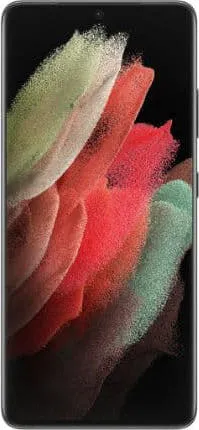
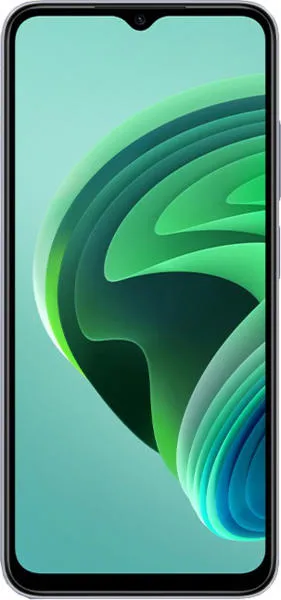
1. Specifications Comparison
Here's a detailed comparison of the Samsung Galaxy S21 Ultra 5G and Xiaomi Redmi 10 5G, focusing on their practical implications:
Design
| Feature | Samsung Galaxy S21 Ultra 5G | Xiaomi Redmi 10 5G | Practical Impact |
|---|---|---|---|
| Dimensions | 165.1 x 75.6 x 8.9 mm | 164 x 76.1 x 8.9 mm | S21 Ultra is slightly taller, but both have very similar size and thickness, which doesn't impact practical daily use. |
| Weight | 227g | 200g | Redmi 10 5G is noticeably lighter, making it more comfortable for extended one-handed use. |
| Build | Gorilla Glass Victus (Screen), Aluminum frame | Gorilla Glass 3 (Screen) | S21 Ultra has superior scratch and drop resistance, while Redmi 10 5G has decent protection. |
Display
| Feature | Samsung Galaxy S21 Ultra 5G | Xiaomi Redmi 10 5G | Practical Impact |
|---|---|---|---|
| Size | 6.8" | 6.58" | S21 Ultra offers a slightly larger viewing area for media and multitasking. |
| Resolution | 1440x3200 | 1080x2408 | S21 Ultra has a significantly sharper display with much better clarity, especially for text and detailed images. |
| PPI | 515 | 401 | S21 Ultra provides a much more detailed and crisp image, noticeably higher than Redmi 10's. |
| Technology | AMOLED | IPS LCD | S21 Ultra has vibrant colors, deep blacks, and better contrast. It also consumes less power for dark themes. |
| Refresh Rate | 120Hz | 90Hz | S21 Ultra has slightly smoother scrolling and animations. |
| Brightness | 1500 nits | 0 nits | S21 Ultra has dramatically better visibility outdoors in bright sunlight. |
Performance
| Feature | Samsung Galaxy S21 Ultra 5G | Xiaomi Redmi 10 5G | Practical Impact |
|---|---|---|---|
| Chipset | Exynos 2100 (5 nm) | Mediatek Dimensity 700 (7 nm) | S21 Ultra provides much faster processing speeds, resulting in a better user experience with all tasks. |
| AnTuTu Score | 749,000 | 381,300 | S21 Ultra delivers significantly smoother gaming and quicker app loading. |
| GPU | Mali-G78 MP14 | Mali-G57 MC2 | S21 Ultra has more powerful graphics for demanding tasks like gaming and video editing. |
Camera
| Feature | Samsung Galaxy S21 Ultra 5G | Xiaomi Redmi 10 5G | Practical Impact |
|---|---|---|---|
| Main Camera Resolution | 108MP | 50MP | S21 Ultra captures much more detailed images with more room for cropping and editing. |
| Telephoto Camera | Yes (10.8MP x2) | No | S21 Ultra has versatile zoom capabilities, enabling detailed shots from a distance. |
| Selfie Camera Resolution | 44MP | 5MP | S21 Ultra provides far more detailed and high-resolution selfies. |
| Wide Angle + Macro | Yes (12.2MP) | No | S21 Ultra can capture wide landscapes or close-up macro shots. |
| Portrait Mode | No | Yes (2MP) | Redmi 10 5G has a depth sensor for portrait mode shots. |
| Video | Up to 8K@24fps | 1080p@30fps | S21 Ultra can record professional-grade videos with high resolution. |
| DXOMARK | Mobile: 115, Selfie: 135 | N/A | S21 Ultra has been extensively tested with an good scores, while Redmi 10 5G is not tested. |
Battery
| Feature | Samsung Galaxy S21 Ultra 5G | Xiaomi Redmi 10 5G | Practical Impact |
|---|---|---|---|
| Capacity | 5000mAh | 5000mAh | Both provide similar battery life for average daily use. |
| Charging | 25W Fast Charging | 18W Fast Charging | S21 Ultra recharges faster. |
| Wireless Charging | 15W | No | S21 Ultra can be charged wirelessly with a supported charger. |
Other
| Feature | Samsung Galaxy S21 Ultra 5G | Xiaomi Redmi 10 5G | Practical Impact |
|---|---|---|---|
| Operating System | Android 11 (upgradable to 15) | Android 12 | Redmi 10 5G comes with a more recent Android version, with more features and upgrades, though S21 Ultra can be upgraded to Android 15. |
| Storage | 128GB/256GB/512GB | 64GB/128GB | S21 Ultra offers more storage, especially for heavy media users. |
| RAM | 12GB/16GB | 4GB/6GB | S21 Ultra enables faster multitasking and better performance for demanding apps. |
| Expandable Storage | No | No | Neither phone allows for external storage expansion. |
| WiFi | WiFi 6 (802.11ax) | WiFi 5 (802.11ac) | S21 Ultra supports faster and more efficient Wi-Fi for better network performance. |
| Bluetooth | 5.2 | 5.1 | S21 Ultra has slightly better power efficiency and connection stability than Redmi 10 5G |
| Sensors | Barometer, Hall, Geomagnetic | N/A | S21 Ultra includes more advanced sensors suitable for more specific use cases. |
2. Key Differences Analysis
Samsung Galaxy S21 Ultra 5G Advantages:
- Superior Display: AMOLED screen with higher resolution, PPI, brightness, and 120Hz refresh rate provides a much more immersive and enjoyable visual experience.
- Significantly Better Performance: The Exynos 2100 chipset offers faster processing and better graphics performance, making it ideal for gaming and demanding applications.
- Versatile Camera System: Multiple telephoto lenses, higher resolution sensors and 8K video recording offers significantly better photographic capabilities with versatility.
- Faster Charging & Wireless Charging: Supports 25W wired and 15W wireless charging, which significantly enhances convenience.
- Premium Build: Gorilla Glass Victus offers better durability and overall feel.
- Advanced Features: Includes more connectivity features, more sensors, and better audio quality.
Xiaomi Redmi 10 5G Advantages:
- Lighter Design: A lighter build that makes it more comfortable for extended use.
- More Recent Android Version: Ships with Android 12.
- More Affordable: Lower price point for those on a tighter budget.
- Depth Sensor: Has a dedicated 2MP depth sensor which enables portrait mode.
- Battery Life: Decent battery life with a 5000 mAh battery.
Trade-offs:
- Samsung S21 Ultra 5G: Higher price, heavier, larger
- Xiaomi Redmi 10 5G: Compromised camera performance, lower display quality, slower performance.
3. User Profiles & Recommendations
Samsung Galaxy S21 Ultra 5G Ideal Users:
- Power users: Demanding users who require top-tier performance for gaming, video editing, and intensive multitasking.
- Photography Enthusiasts: Those who desire high-quality images and video, multiple zoom lenses, and versatile camera features.
- Media Consumers: Users who value the best screen quality for movies, streaming, and web browsing.
- Business Professionals: Users requiring a feature-rich device for high productivity.
Use Cases:
- Professional photography and video production.
- High-end mobile gaming with demanding graphics.
- Content creation, editing, and consumption.
- Business use cases requiring heavy multitasking.
Xiaomi Redmi 10 5G Ideal Users:
- Budget-conscious Buyers: Those seeking a capable 5G smartphone at an affordable price.
- Everyday Users: Users who need a reliable device for basic tasks like communication, browsing, and light social media.
- Users that value portability: People that prefer a lighter and more compact device.
Use Cases:
- Daily communication and social media.
- Light browsing and content consumption.
- Basic mobile gaming.
- Users looking for a budget 5G device for everyday use.
Price-to-Value Ratio:
- The Samsung Galaxy S21 Ultra 5G offers a high price-to-value for users that require the best specifications.
- The Xiaomi Redmi 10 5G has a very good price-to-value, being a cost-effective option for users that don't require the most demanding features.
4. Decision Framework
Key Questions to Consider:
- What is your budget? If you have a limited budget, the Redmi 10 5G is a much more affordable option. If money is less of an issue, the S21 Ultra is a better option.
- What is your main use case? If you need a powerful device for gaming and photography, S21 Ultra is better. If you need a phone for daily tasks, Redmi 10 5G is enough.
- What is most important to you in a smartphone? If you prefer a top-tier screen, camera, and performance the S21 Ultra is better. If you need a lighter device that just works, Redmi 10 5G may be a better fit.
Scenario-Based Recommendations:
- Scenario 1: High-performance user. If you need a smartphone that excels in gaming, media consumption and photography, and if you are willing to pay extra for it, the Samsung Galaxy S21 Ultra 5G is the better choice.
- Scenario 2: Budget-conscious user. If you want a functional 5G smartphone for everyday use and want to save money, the Xiaomi Redmi 10 5G is a practical option.
- Scenario 3: Media consumption user: If you prioritize display quality and enjoy watching videos and browsing the internet, the Samsung Galaxy S21 Ultra 5G is better due to the AMOLED screen with higher brightness, resolution, PPI and refresh rate.
- Scenario 4: Photography user. If you enjoy taking photos and videos, the Samsung Galaxy S21 Ultra 5G offers better camera versatility with multiple lenses, higher resolution, and video features.
My Choice
If I were choosing, I would pick the Samsung Galaxy S21 Ultra 5G.
Reasoning:
My primary use case includes consuming high-resolution content and photography. I value a high-quality screen, a versatile camera system, and fast performance. While I acknowledge the Xiaomi Redmi 10 5G is a solid budget device, the display, camera capabilities, and processing power of the S21 Ultra is worth the extra cost. The ability to record high-resolution video and take photographs with great detail is very important, as is having a bright, sharp screen. Although the S21 Ultra is heavier, the benefits in performance and usability are worth that small trade off.
