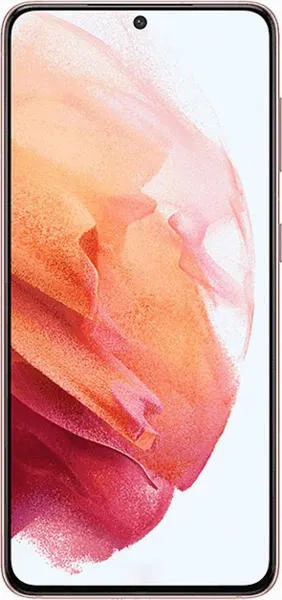
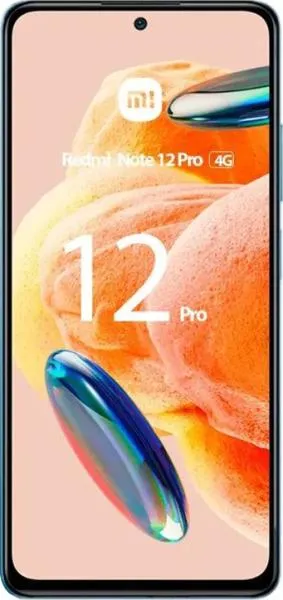
1. Specifications Comparison
Here's a detailed comparison of the two phones, focusing on their practical implications:
Design
| Feature | Samsung Galaxy S21 5G | Xiaomi Redmi Note 12 Pro 4G | Practical Impact |
|---|---|---|---|
| Dimensions | 151.7 × 71.2 × 7.9 mm | 164.2 × 76.1 × 8.1 mm | S21 is more compact and easier to handle with one hand; Note 12 Pro is larger and may feel less pocketable. |
| Weight | 169g | 201.8g | S21 is significantly lighter, enhancing comfort during extended use; Note 12 Pro is heavier and may feel less comfortable for long sessions. |
| Build | Standard | Standard | Both are standard non-foldable phones. |
Display
| Feature | Samsung Galaxy S21 5G | Xiaomi Redmi Note 12 Pro 4G | Practical Impact |
|---|---|---|---|
| Size | 6.2" | 6.67" | Note 12 Pro has a larger screen, which is better for media consumption and multitasking; S21 is more compact and pocket-friendly. |
| Resolution | 1080x2400 | 1080x2400 | Both offer the same level of sharpness in visual experience; No clear difference here. |
| PPI | 421 | 395 | S21 has a slightly sharper display, though the difference is subtle and may not be noticeable by all users. |
| Technology | AMOLED | AMOLED | Both displays offer vibrant colors and deep blacks typical of AMOLED technology; No clear difference here. |
| Refresh Rate | 120Hz | 120Hz | Both provide smooth scrolling and animations; No clear difference here. |
| Brightness | 1300 nits | 1200 nits | S21 is slightly brighter, improving visibility in direct sunlight; Note 12 Pro could be less viewable in very bright conditions. |
Performance
| Feature | Samsung Galaxy S21 5G | Xiaomi Redmi Note 12 Pro 4G | Practical Impact |
|---|---|---|---|
| Chipset | Exynos 2100 (5 nm) | Qualcomm Snapdragon 732G (8 nm) | S21 has a much more powerful processor, resulting in faster app loading, smoother multitasking, and enhanced gaming performance; Note 12 Pro might struggle with demanding tasks. |
| AnTuTu Score | 749,100 | 397,200 | S21 has a significantly higher benchmark score, translating to much better real-world performance; Note 12 Pro has considerably less processing power. |
| GPU | Mali-G78 MP14 | Adreno 618 | S21's GPU is much more powerful, allowing for smoother gaming and better graphics performance. |
Camera
| Feature | Samsung Galaxy S21 5G | Xiaomi Redmi Note 12 Pro 4G | Practical Impact |
|---|---|---|---|
| Standard Camera | 12MP, f/1.8, 1/1.76" | 108MP, f/1.9, 1/1.52" | Note 12 Pro captures more detail with its higher resolution sensor; S21's wider aperture might perform better in low light; Note 12 Pro might perform better in well-lit conditions. |
| Telephoto + Portrait | 64MP, f/2.0, 1/1.72" | Not Available | S21 provides optical zoom capabilities and enhanced portrait mode; Note 12 Pro lacks telephoto capabilities, it relies on digital zoom. |
| Wide Angle Lens | Not Available | 8MP, f/2.2, 1/2.8" | Note 12 Pro captures wider perspective shots; S21 does not have this feature on this specific camera. |
| Portrait (depth) Lens | Not Available | 2MP, f/2.4, 1/5" | Note 12 Pro has dedicated depth sensing to assist with portrait mode, resulting in more accurate bokeh; S21 uses other methods. |
| Macro Lens | Not Available | 5MP, f/2.4, 1/5" | Note 12 Pro enables dedicated close-up shots; S21 does not have this capability. |
| Wide Angle + Macro | 12.2MP, f/2.2, 1/2.55" | Not Available | S21 combines wide-angle and macro capabilities in a single lens; Note 12 Pro uses separate sensors. |
| Selfie Camera | 10MP, f/2.2, 1/3.2" | 16MP, f/2.45, 1/3.13" | Note 12 Pro captures slightly more detail with its higher resolution sensor; S21 has a slightly brighter aperture for low-light selfies. |
| Video | Up to 8K@24fps | Up to 4K@30fps | S21 can record higher resolution videos, providing more detail and flexibility in post-processing; Note 12 Pro might suffice for most everyday uses. |
| Video Stabilization | Yes | No | S21's video stabilization is more comprehensive offering smoother video capture. |
| DxOMark Mobile | 111 | Not Available | S21 is tested and verified for camera performance, Note 12 Pro has no such rating. |
| DxOMark Selfie | 132 | Not Available | S21 is tested and verified for selfie camera performance, Note 12 Pro has no such rating. |
Battery
| Feature | Samsung Galaxy S21 5G | Xiaomi Redmi Note 12 Pro 4G | Practical Impact |
|---|---|---|---|
| Capacity | 4000mAh | 5020mAh | Note 12 Pro has a much larger battery, potentially offering significantly longer battery life; S21 might require more frequent charging. |
| Charging | 25W Fast Charging | 67W Fast Charging | Note 12 Pro charges much faster, reducing the time spent tethered to an outlet; S21's charging speed is much slower. |
| Features | 15W Wireless, 4.5W Reverse Wireless Charging | No Wireless Charging | S21 offers wireless charging and reverse wireless charging, adding flexibility; Note 12 Pro doesn't have wireless options. |
Software
| Feature | Samsung Galaxy S21 5G | Xiaomi Redmi Note 12 Pro 4G | Practical Impact |
|---|---|---|---|
| OS | Android 11 | Android 11 | Both run on Android 11, S21 is upgradable to Android 15 |
| Max Version | 15 | S21 has guaranteed updates to newer versions of Android OS for a longer period; Note 12 Pro's update status is unknown. |
Connectivity
| Feature | Samsung Galaxy S21 5G | Xiaomi Redmi Note 12 Pro 4G | Practical Impact |
|---|---|---|---|
| Wi-Fi | Wi-Fi 6 (802.11ax) | Wi-Fi 5 (802.11ac) | S21 supports a newer Wi-Fi standard, offering potentially faster speeds and better performance; Note 12 Pro uses an older technology. |
| Bluetooth | 5.0 | 5.1 | Note 12 Pro has a newer Bluetooth version. |
| GPS | GPS (L1+L5), Galileo (E1+E5a) | GPS, Galileo | S21 offers more accurate location tracking, potentially beneficial for navigation. |
| SIM | Dual SIM, Dual Standby | Dual SIM, Dual Standby | Both support dual SIM functionality |
Storage
| Feature | Samsung Galaxy S21 5G | Xiaomi Redmi Note 12 Pro 4G | Practical Impact |
|---|---|---|---|
| Internal | 128 GB or 256 GB | 128 GB or 256 GB | Both offer the same maximum storage options; Choose depending on your storage needs. |
| RAM | 8 GB | 6 GB or 8 GB | Both offer 8GB RAM, which can facilitate better multitasking; Note 12 Pro may have less performance with 6 GB of RAM. |
| Expandable | No | No | Neither support expandable storage; Make sure internal storage meets your needs. |
Audio
| Feature | Samsung Galaxy S21 5G | Xiaomi Redmi Note 12 Pro 4G | Practical Impact |
|---|---|---|---|
| Quality | Dolby Atmos, Noise cancellation microphone | Hi-Res Audio | S21 has a more immersive audio experience for music and video; Note 12 Pro offers a high quality listening experience for audio files. |
Security
| Feature | Samsung Galaxy S21 5G | Xiaomi Redmi Note 12 Pro 4G | Practical Impact |
|---|---|---|---|
| Features | Basic Fingerprint | Side-Mounted Fingerprint | Note 12 Pro fingerprint sensor offers a more advanced solution; both provide standard biometric security. |
Build Quality
| Feature | Samsung Galaxy S21 5G | Xiaomi Redmi Note 12 Pro 4G | Practical Impact |
|---|---|---|---|
| Protection | Corning Gorilla Glass Victus | Corning Gorilla Glass 5 | S21 uses more durable glass, which is more resistant to scratches and breaks. |
Sensors
| Feature | Samsung Galaxy S21 5G | Xiaomi Redmi Note 12 Pro 4G | Practical Impact |
|---|---|---|---|
| Sensors | Fingerprint, Accelerometer, Compass, Gyroscope, Proximity, Barometer | Fingerprint, Accelerometer, Compass, Gyroscope, Ultrasonic proximity virtual | S21 offers environmental sensors (barometer) for altitude-related information and advanced feature support. Note 12 Pro offers Ultrasonic Proximity virtual for a different proximity sensing technology. |
2. Key Differences Analysis
Samsung Galaxy S21 5G Advantages:
- Superior Performance: The Exynos 2100 chipset offers significantly faster performance for demanding tasks and gaming, as demonstrated by the higher AnTuTu score.
- Better Display Brightness: The S21 has higher brightness, offering better visibility in outdoor conditions.
- Advanced Camera Features: The S21 boasts 8K video recording, a telephoto lens for optical zoom, and OIS for enhanced image and video stabilization.
- Wireless Charging: The S21 supports wireless charging and reverse wireless charging, offering extra convenience.
- Better Display Protection: The S21 has Corning Gorilla Glass Victus, which provides superior scratch and break resistance.
- Better Audio: Dolby Atmos enhances the audio quality, making the S21 better for media consumption.
- Guaranteed Software Updates: The S21 will have more guaranteed updates to newer versions of Android OS.
- Superior GPS: The S21 has better accuracy due to the support of more satellite systems.
- More Environmental Sensors: S21 has more sensors like barometer and Hall sensor.
- Video Stabilization: S21 has video stabilization.
- DxOMark Rating: The S21 is rated by DxOMark, which shows superior camera and video quality.
Xiaomi Redmi Note 12 Pro 4G Advantages:
- Larger Battery: The Note 12 Pro has a significantly larger battery capacity, offering longer battery life.
- Faster Charging: The Note 12 Pro features 67W fast charging, charging much quicker than the S21.
- Larger Display: The Note 12 Pro offers a larger screen, enhancing media consumption and gaming.
- High-Resolution Main Camera: The Note 12 Pro's 108MP main camera allows for capturing more detailed photos.
- Dedicated Lenses: The Note 12 Pro includes a wide-angle lens, a dedicated depth sensor, and a macro lens, allowing for versatile photography options.
- Newer Bluetooth Version: The Note 12 Pro has a newer Bluetooth version.
- Side-Mounted Fingerprint: The Note 12 Pro has a more advanced side-mounted fingerprint scanner.
- High-Resolution Selfie Camera: The Note 12 Pro has a higher-resolution front-facing camera for better selfies.
- High-Res Audio: Offers Hi-Res audio for higher quality listening.
Significant Trade-offs:
- S21: Trades battery life and faster charging for better performance, camera features, and build quality.
- Note 12 Pro: Trades performance and some camera features for much longer battery life, faster charging, and a larger screen.
3. User Profiles & Recommendations
Samsung Galaxy S21 5G Ideal User:
- Power Users: Individuals who prioritize performance for gaming and demanding apps.
- Photography Enthusiasts: Users who value superior camera quality, including telephoto zoom and video features.
- Media Consumers: Those who appreciate a high-quality display with superior outdoor brightness and immersive audio experience.
- Users seeking high quality build: Those looking for a device with superior screen protection.
- Users seeking Wireless Charging: Those who want the flexibility of wireless and reverse wireless charging.
Xiaomi Redmi Note 12 Pro 4G Ideal User:
- Budget-Conscious Users: Those who prioritize battery life and a large display while being mindful of the budget.
- Everyday Users: Individuals who primarily use their phone for social media, web browsing, and casual photography.
- Long Battery Life Seekers: Users who require their phone to last all day or even longer without frequent charging.
- Multipurpose Shooters: Users who value diverse camera lenses (wide-angle, macro) for flexible photo taking.
- Audio Enthusiasts: Those looking for higher quality audio listening.
Specific Use Cases:
- S21: Ideal for mobile gamers, content creators, and users frequently outdoors.
- Note 12 Pro: Suitable for students, travelers, and those who watch many videos on their phone, as well as casual photographers.
Price-to-Value:
- The S21 is positioned as a high-performance phone, but might be more expensive than the Note 12 Pro.
- The Note 12 Pro is a more budget-friendly choice, offering excellent value for battery life, display size, and diverse camera lenses.
4. Decision Framework
Key Questions for Buyers:
- How important is raw performance and gaming capabilities to you? If performance is a priority, the S21 is the better choice. If raw performance is not a priority and you are satisfied with a medium performance, Note 12 Pro is a better choice.
- What is more important for you, better battery life or advanced camera features? If you need all-day battery and faster charging, the Note 12 Pro is ideal. If you are seeking high-quality video, better stabilisation, and zoom, the S21 is better.
- Do you need wireless charging and a better protected screen? If yes, the S21 is the better choice; if no, Note 12 Pro is ideal.
Scenario-Based Recommendations:
- Scenario 1: Power User, gaming, and content creation: Choose the Samsung Galaxy S21 5G.
- Scenario 2: Budget-conscious user who need a large screen and long battery: Choose the Xiaomi Redmi Note 12 Pro 4G.
- Scenario 3: Casual user who needs decent photography but longer battery and fast charging: Choose the Xiaomi Redmi Note 12 Pro 4G.
My Choice
If I were to choose between these two phones, I would choose the Samsung Galaxy S21 5G.
Here's why:
While the Xiaomi Redmi Note 12 Pro 4G offers a larger battery and faster charging, my personal needs and priorities align better with the strengths of the Galaxy S21 5G. I prioritize the superior performance provided by the Exynos 2100 chipset, as this ensures smooth multitasking, faster app loading, and the ability to run demanding applications without hiccups. Additionally, the better display brightness of the S21 would be beneficial for usage outdoors in bright sunlight. I also value the advanced camera features, such as 8K video recording, optical zoom, and better stabilisation, which are ideal for capturing high-quality photos and videos. Although it has a smaller battery, the S21's wireless and reverse wireless charging is a convenient feature I would use regularly, as well as having a much better protected screen with Corning Gorilla Glass Victus. Additionally the audio from the S21 is much better than the Note 12 Pro, with Dolby Atmos, making it more suitable for my audio needs. Ultimately, I would prefer to sacrifice a longer battery life and faster charging speed in favor of significantly better performance, build quality, camera capabilities, and other higher end features.
