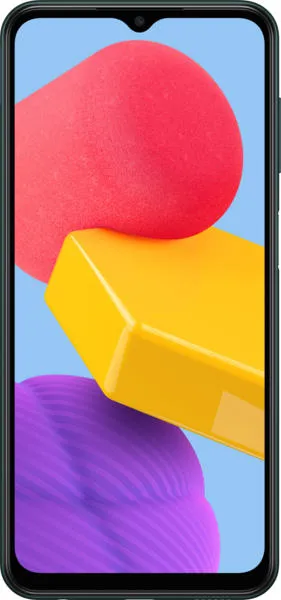
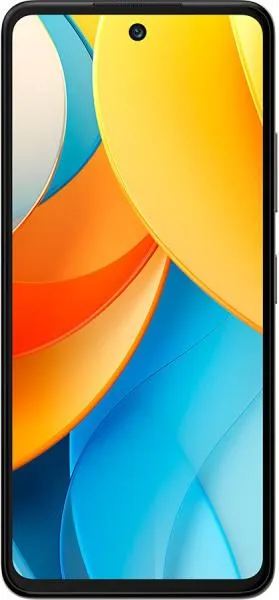
Let's dive into a comparative analysis of the Samsung Galaxy M13 and the ZTE Blade V60 Design, dissecting their specifications and uncovering what they truly offer the everyday user.
1. Specifications Breakdown
| Feature | Samsung Galaxy M13 | ZTE Blade V60 Design | Real-World Implications |
|---|---|---|---|
| Design | |||
| Dimensions (mm) | 165.4 x 76.9 x 8.4 | 164.2 x 75.3 x 8.6 | M13 slightly taller, V60 slightly thicker. Negligible difference in hand feel. |
| Weight (g) | 192 | 198 | V60 slightly heavier, but the difference is minimal. |
| Display | |||
| Size (inches) | 6.6 | 6.6 | Identical screen sizes offer the same media consumption experience. |
| Resolution (px) | 1080 x 2408 | 720 x 1612 | Significant difference: M13 boasts a much sharper Full HD+ display, resulting in crisper text, images, and videos compared to the V60's HD+. |
| Refresh Rate (Hz) | 60 (Standard) | 90 | Advantage V60: Smoother scrolling and animations, leading to a more fluid user interface. |
| Display Type | PLS LCD | IPS LCD | Both are LCD panels. PLS LCD generally offers slightly better color reproduction and wider viewing angles than standard IPS. |
| Performance | |||
| Chipset | Exynos 850 (8nm) | Unisoc T606 (12nm) | Advantage M13: Exynos 850 generally offers better performance and efficiency due to its smaller manufacturing process node. |
| CPU | Octa-core (4x2.0 GHz Cortex-A55 & 4x2.0 GHz Cortex-A55) | Octa-core (2x1.6 GHz Cortex-A75 & 6x1.6 GHz Cortex-A55) | M13 might offer slightly better performance in day-to-day tasks, but the V60's two Cortex-A75 cores could provide a boost in demanding apps |
| GPU | Mali-G52 | Mali-G57 MP1 | Slight advantage V60: Mali-G57 MP1 might offer slightly improved graphics performance for gaming. |
| RAM | 4GB | 6GB | Advantage V60: More RAM allows for smoother multitasking and handling more apps in the background. |
| Camera | |||
| Main Camera (MP) | 50 | 50 | Comparable main camera resolution. Real-world performance depends on sensor quality and software processing, which isn't detailed here. |
| Battery Life | |||
| Capacity (mAh) | 5000 | 5000 | Identical battery capacities suggest similar potential battery life. Real-world usage will depend on software optimization and user habits. |
2. Key Insights
- Display is a Deciding Factor: The M13's significantly sharper display is a major advantage for anyone who values visual clarity. The V60's 90Hz refresh rate offers smoother animations but at the cost of resolution.
- Performance Trade-offs: The M13 likely edges out the V60 in overall processing power thanks to the Exynos chip, but the V60 counters with more RAM for better multitasking and a potentially superior GPU for gaming.
- Camera: Unknown Variable: Without details on sensor quality and software processing, it's impossible to definitively compare camera performance. Megapixel count alone doesn't tell the whole story.
3. User Profiles and Recommendations
- M13: Best for users who prioritize display quality and consume a lot of media. Suitable for general use, social media, and light gaming.
- V60 Design: Appeals to budget-conscious users who value smooth performance and multitasking, potentially gamers, but who may be less sensitive to display sharpness.
4. Buying Decision Framework
- Is display quality your top priority? If yes, the M13 is the clear winner.
- What's your budget? The V60 Design likely comes at a lower price point, making it a more attractive option for budget-conscious buyers.
- Do you heavily multitask or play demanding games? If so, the V60 Design's extra RAM and potentially better GPU could provide a smoother experience.
My Choice: As Alex Griffin, I would choose the Samsung Galaxy M13. While the V60 Design offers a smoother refresh rate and more RAM, the superior display resolution of the M13 is a crucial factor for me. I prioritize crisp visuals for media consumption and everyday tasks, and the difference in sharpness would significantly impact my user experience. The slightly better processor also ensures a snappier overall feel. While I appreciate the value proposition of the V60 Design, the screen quality is a non-negotiable for me.
