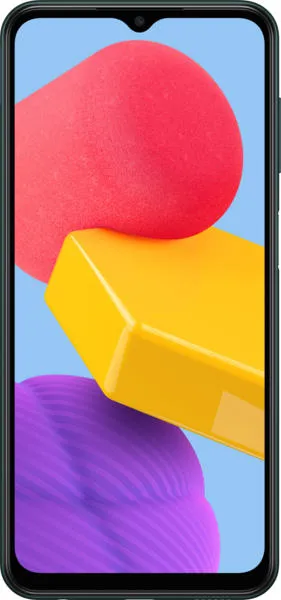
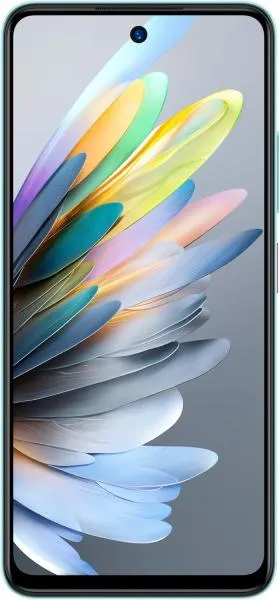
Samsung Galaxy M13 vs. ZTE Blade A75 4G: A Detailed Comparison
Let's dive deep into a comparative analysis of the Samsung Galaxy M13 and the ZTE Blade A75 4G, dissecting their specifications and uncovering what they truly offer in terms of real-world performance.
1. Specifications Breakdown
| Feature | Samsung Galaxy M13 | ZTE Blade A75 4G | Real-World Implications |
|---|---|---|---|
| Design | |||
| Dimensions (mm) | 165.4 x 76.9 x 8.4 | 164.1 x 75.8 x 8.6 | Negligible difference in size and feel. |
| Weight (g) | 192 | 189 | Both phones are lightweight and comfortable for extended use. |
| Display | |||
| Size (inches) | 6.6 | 6.6 | Same screen size offers ample viewing space. |
| Resolution | 1080 x 2408 | 720 x 1612 | Sharper, more detailed visuals on the M13. Noticeably lower resolution on the A75 impacts clarity. |
| Display Type | PLS LCD | IPS LCD, 90Hz | A75's 90Hz refresh rate provides smoother scrolling and animations, but the lower resolution is a trade-off. |
| Density (PPI) | 400 | 267 | Higher pixel density on the M13 translates to sharper text and images. |
| Performance | |||
| Chipset | Exynos 850 (8nm) | Unisoc T606 (12nm) | M13 likely offers better overall performance and efficiency due to more advanced node process. |
| CPU | Octa-core 2.0 GHz | Octa-core (2x1.6 GHz & 6x1.6 GHz) | M13's consistent core speeds could provide a smoother experience in demanding tasks. A75 has a performance core advantage. |
| GPU | Mali-G52 | Mali-G57 MP1 | G57 architecture in A75 potentially offers better gaming performance but real-world tests are needed. |
| RAM | 4GB/6GB/8GB | 4GB/8GB | RAM options vary, impacting multitasking capabilities. More RAM generally leads to smoother performance. |
| Camera | |||
| Rear Camera | 50MP + 5MP + 2MP +2MP | 50MP + 0.3MP | M13 offers a more versatile camera system with ultrawide and dedicated macro lenses. |
| Front Camera | 8MP | 8MP | Similar front camera resolution on both devices. |
| Battery Life | |||
| Capacity (mAh) | 5000 | 5000 | Same battery capacity suggests similar potential battery life, though real-world usage will vary. |
| Charging | 15W Fast Charging | 22.5W Fast Charging | A75 boasts faster charging speeds, reducing downtime. |
2. Key Insights
- Display: The M13's higher resolution display significantly enhances clarity and sharpness, making it a winner for media consumption. However, the A75's 90Hz refresh rate provides a smoother user experience, particularly noticeable in scrolling and gaming.
- Performance: While the A75 boasts a newer GPU architecture and a slightly faster CPU, the M13's more efficient chipset (8nm vs 12nm) might translate to better sustained performance and less heat generation.
- Camera: The M13 provides greater versatility with its quad-camera setup, including an ultrawide and macro lens. The A75's secondary rear camera is practically useless at 0.3MP.
- Battery & Charging: Both phones feature a large 5000mAh battery. The A75's faster 22.5W charging is a clear advantage for users who prioritize quick top-ups.
3. User Profiles and Recommendations
- Samsung Galaxy M13: Ideal for users who prioritize display quality and overall performance. Suitable for media consumption, casual gaming, and everyday tasks.
- ZTE Blade A75 4G: Best suited for budget-conscious users who value smooth scrolling and faster charging. A good choice for those who prioritize basic functionality and responsiveness over high-resolution visuals.
4. Buying Decision Framework
Questions to Consider:
- Is display quality a top priority? If yes, the M13's sharper screen is the better choice.
- How important is fast charging? The A75 offers significantly quicker charging.
- What's your budget? The A75 generally comes at a lower price point.
Scenario-Based Recommendations:
- Heavy media consumer: Choose the Samsung Galaxy M13 for its superior display.
- Gamer on a budget: The ZTE Blade A75 4G might be a better option for its smoother refresh rate and lower price, but test gameplay before committing.
- User who needs fast charging: The ZTE Blade A75 4G is the clear winner here.
My Choice: Samsung Galaxy M13
While the ZTE Blade A75 4G offers tempting features like a 90Hz display and faster charging, the significantly sharper and more detailed display of the Samsung Galaxy M13 is a deciding factor for me. As someone who consumes a lot of media and appreciates crisp visuals, the M13's superior screen quality outweighs the benefits of a slightly smoother refresh rate. Additionally, I believe the more mature Exynos processor offers a more reliable and consistent overall experience. While faster charging is convenient, I prioritize a consistently good user experience, which I believe the M13 delivers better.
