Samsung Galaxy M13 vs. Xiaomi Redmi Note 13 Pro 4G: A Deep Dive
Let's dissect the Samsung Galaxy M13 and the Xiaomi Redmi Note 13 Pro 4G, two compelling mid-range contenders, and see how they stack up against each other. My goal is to equip you with the knowledge to decide which phone best fits your needs.
1. Specifications Breakdown
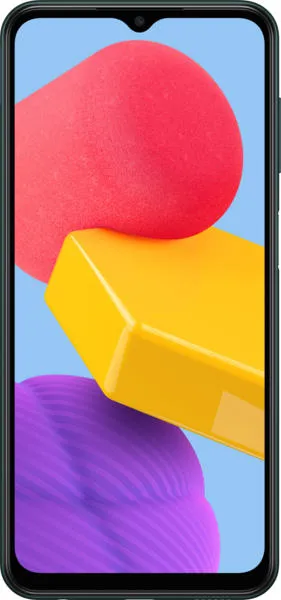
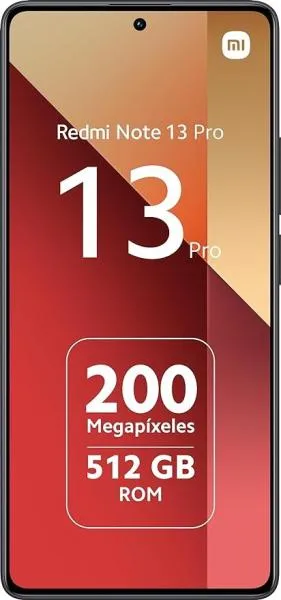
| Feature | Samsung Galaxy M13 | Xiaomi Redmi Note 13 Pro 4G | Real-World Implications |
|---|---|---|---|
| Design | |||
| Dimensions (mm) | 165.4 x 76.9 x 8.4 | 161.1 x 75 x 8 | Note 13 Pro slightly more compact. |
| Weight (g) | 192 | 188 | Negligible difference in hand feel. |
| Build Material | Plastic | (Not specified - likely glass/plastic) | Impacts durability and premium feel. M13's Plastic back might show scratches more easily. |
| Display | |||
| Type | PLS LCD | AMOLED | Redmi's AMOLED offers richer colors, deeper blacks, and better power efficiency in dark mode. |
| Size | 6.6" | 6.67" | Note 13 Pro has a slightly larger screen. |
| Resolution | 1080 x 2408 | 1080 x 2400 | Virtually identical sharpness. |
| Refresh Rate | Standard (60Hz) | 120Hz | Note 13 Pro provides significantly smoother scrolling and animations. |
| Performance | |||
| Chipset | Exynos 850 (8nm) | Mediatek Helio G99 Ultra | Note 13 Pro boasts a more powerful and efficient processor. |
| CPU | Octa-core 2.0 GHz | Octa-core (2x2.2 GHz A76 & 6x2.0 GHz A55) | Noticeably faster performance in demanding tasks and multitasking on the Note 13 Pro. |
| GPU | Mali-G52 | Mali-G57 MC2 | Note 13 Pro offers better gaming and graphics performance. |
| RAM | 4GB | 8GB/12GB | Note 13 Pro's larger RAM enables smoother multitasking. |
| Camera | |||
| Main Sensor | 50MP | 200MP | Note 13 Pro's higher resolution sensor potentially captures more detail, but real-world performance depends on image processing. |
| Features | Basic | OIS, Night Mode, 4K Video | Note 13 Pro offers significantly more advanced camera features. |
| Battery Life | |||
| Capacity | 5000 mAh | 5000 mAh | Similar battery capacity. |
| Charging | 15W Fast Charging | 67W Fast Charging | Note 13 Pro charges significantly faster. |
2. Key Insights
- Display: The Redmi Note 13 Pro's AMOLED display with a 120Hz refresh rate is a clear winner. It delivers a vibrant, smooth, and responsive visual experience that the M13's standard LCD can't match.
- Performance: The Helio G99 Ultra in the Note 13 Pro, coupled with more RAM, provides a significant performance advantage for demanding tasks, gaming, and multitasking.
- Camera: While megapixel count isn't everything, the Note 13 Pro's 200MP sensor combined with OIS and advanced features like Night Mode points to a superior camera experience.
- Charging: The 67W fast charging on the Note 13 Pro is a game-changer, drastically reducing charging times compared to the M13's 15W.
3. User Profiles and Recommendations
- Samsung Galaxy M13: Best suited for budget-conscious users who prioritize basic smartphone functionality – calling, texting, web browsing, and light social media usage.
- Xiaomi Redmi Note 13 Pro 4G: Ideal for users who demand a more premium experience with a smooth display, fast performance, advanced camera features, and quick charging. Great for mobile gaming, content creation, and heavy multitasking.
4. Buying Decision Framework
- What is your budget? The M13 is the more affordable option.
- What are your primary smartphone usage patterns? For basic use, the M13 suffices. For demanding tasks and entertainment, the Note 13 Pro is superior.
- Which features matter most to you? Prioritize display quality, performance, and camera? Choose the Note 13 Pro. Prioritize affordability above all else? The M13 might be a better fit.
My Choice: I would choose the Xiaomi Redmi Note 13 Pro 4G. While the Samsung Galaxy M13 is a decent budget phone, the Redmi Note 13 Pro offers a significant upgrade in almost every aspect – a stunning AMOLED display with a 120Hz refresh rate, a much more powerful processor, a potentially superior camera system with advanced features, and incredibly fast charging. The price difference is justified by the substantial leap in performance and overall user experience. As someone who values a smooth and responsive interface, powerful performance for multitasking, and excellent camera capabilities, the Redmi Note 13 Pro aligns perfectly with my needs.
