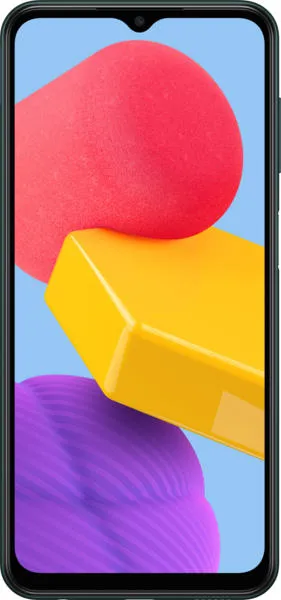
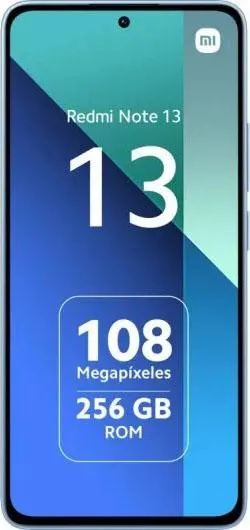
Samsung Galaxy M13 vs. Xiaomi Redmi Note 13 4G: A Detailed Comparison
Let's dive deep into a comparative analysis of the Samsung Galaxy M13 and the Xiaomi Redmi Note 13 4G, dissecting their specifications and uncovering what they truly offer in real-world usage.
1. Specifications Breakdown
| Feature | Samsung Galaxy M13 | Xiaomi Redmi Note 13 4G | Real-World Implications |
|---|---|---|---|
| Design | |||
| Dimensions (mm) | 165.4 x 76.9 x 8.4 | 162.3 x 75.6 x 8 | Redmi Note 13 4G is slightly more compact. |
| Weight (g) | 192 | 188.5 | Negligible weight difference in hand. |
| Build Material | Plastic | Plastic | Expect similar durability; case recommended for both. |
| Display | |||
| Type | PLS LCD | AMOLED | Redmi's AMOLED offers richer colors, deeper blacks, and better power efficiency. |
| Size | 6.6" | 6.67" | Negligible size difference; both offer immersive viewing experiences. |
| Resolution | 1080 x 2408 | 1080 x 2400 | Comparable sharpness; pixel density difference is insignificant. |
| Refresh Rate | Standard | 120Hz | Redmi's 120Hz delivers noticeably smoother scrolling and animations. |
| Performance | |||
| Chipset | Exynos 850 (8nm) | Snapdragon 685 (6nm) | Snapdragon 685 generally provides better performance and efficiency. |
| CPU | Octa-core 2.0 GHz | Octa-core (4x2.8 GHz & 4x1.9 GHz) | Redmi's CPU offers significantly better multi-core performance for demanding tasks. |
| RAM | 4GB | 8GB | Redmi's 8GB RAM enables smoother multitasking and handles more demanding applications with ease. |
| Storage | Up to 128GB | Up to 512GB | Redmi offers significantly more storage options. |
| Camera | |||
| Main Camera | 50MP | 108MP | Redmi boasts higher resolution, potentially capturing more detail. |
| Selfie Camera | 8MP | 16MP | Redmi's selfie camera offers higher resolution for better self-portraits. |
| Battery | |||
| Capacity | 5000 mAh | 5000 mAh | Comparable battery capacity. |
| Charging | 15W Fast Charging | 33W Fast Charging | Redmi charges significantly faster. |
2. Key Insights
The Redmi Note 13 4G demonstrably outperforms the Galaxy M13 in key areas. Its AMOLED display with a 120Hz refresh rate delivers a vastly superior visual experience. The Snapdragon 685 chipset, coupled with 8GB of RAM, ensures smoother performance for demanding tasks and multitasking. While both phones offer a 5000mAh battery, the Redmi's 33W fast charging provides a significant advantage in terms of convenience. The Galaxy M13's strengths lie primarily in its affordability, but the performance gap is substantial.
3. User Profiles and Recommendations
Galaxy M13: Best suited for budget-conscious users who prioritize basic smartphone functionality - calling, texting, web browsing, and light social media usage. Not recommended for gaming or demanding applications.
Redmi Note 13 4G: Ideal for users seeking a well-rounded experience with a vibrant display, smooth performance, fast charging, and a capable camera system. Suitable for moderate gaming, multitasking, and content consumption.
4. Buying Decision Framework
- What is your budget? If price is the primary concern, the Galaxy M13 is the more affordable option.
- How important is display quality and performance? If a smooth, vibrant display and responsive performance are priorities, the Redmi Note 13 4G is the clear winner.
- What are your primary use cases? For basic tasks, the Galaxy M13 suffices. For demanding applications, gaming, or multimedia consumption, the Redmi Note 13 4G is the better choice.
My Choice: Redmi Note 13 4G
If I were choosing between these two phones, I'd opt for the Redmi Note 13 4G. The superior AMOLED display with a 120Hz refresh rate, coupled with the more powerful processor and larger RAM, makes a significant difference in everyday use. The faster charging is a major convenience, and while the camera system differences might be less noticeable to the average user, the overall package offered by the Redmi Note 13 4G represents significantly better value, even with the price difference. The jump in user experience justifies the added cost for a device I'd be using daily.
