Samsung Galaxy M13 vs. Xiaomi Redmi Note 13: A Deep Dive for the Discerning Smartphone Buyer
Hello fellow tech explorers! Alex Griffin here, your friendly neighborhood tech journalist, ready to dissect the Samsung Galaxy M13 and the Xiaomi Redmi Note 13. We'll go beyond the spec sheets and uncover what these numbers really mean for you.
1. Specifications Breakdown:
| Feature | Samsung Galaxy M13 | Xiaomi Redmi Note 13 | Real-World Implications |
|---|---|---|---|
| Design | |||
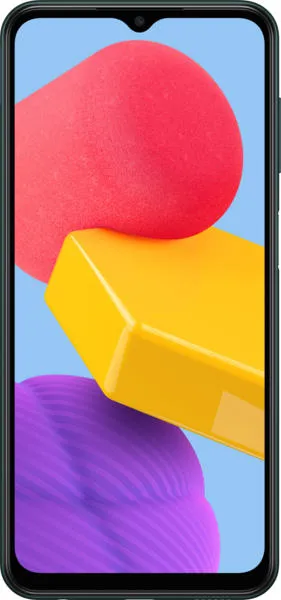
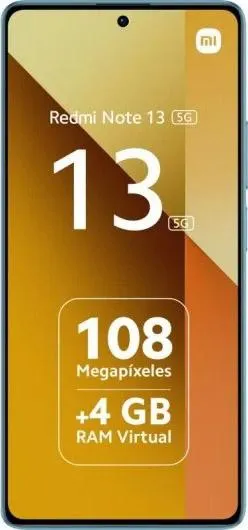
| Dimensions (mm) | 165.4 x 76.9 x 8.4 | 161.1 x 75 x 7.6 | Redmi Note 13 is slightly more compact and lighter, potentially improving one-handed usability. |
| Weight (g) | 192 | 174.5 | Noticeably lighter feel in hand with the Redmi Note 13. |
| Display | |||
| Type | PLS LCD | AMOLED | Redmi Note 13 offers richer colors, deeper blacks, and better power efficiency. |
| Size | 6.6" | 6.67" | Negligible difference in screen real estate. |
| Resolution | 1080 x 2408 | 1080 x 2400 | Virtually identical sharpness. |
| Refresh Rate | N/A | 120Hz | Smoother scrolling and animations on the Redmi Note 13, enhancing the user experience. |
| Performance | |||
| Chipset | Exynos 850 (8nm) | Dimensity 6080 (6nm) | Redmi Note 13 likely offers better performance and efficiency due to a more advanced chipset. |
| CPU | Octa-core 2.0 GHz | Octa-core (2x2.4 GHz & 6x2.0 GHz) | Redmi Note 13 boasts faster clock speeds, leading to improved responsiveness in demanding tasks. |
| GPU | Mali-G52 | Mali-G57 MC2 | Redmi Note 13 should handle graphics-intensive applications and games more smoothly. |
| RAM | 4GB | 8GB | Redmi Note 13's larger RAM allows for better multitasking and smoother performance. |
| Camera | |||
| Main Camera | 50MP | 108MP | Redmi Note 13 offers higher resolution, potentially capturing more detail. |
| Battery Life | |||
| Capacity | 5000 mAh | 5000 mAh | Similar battery capacities suggest comparable longevity. |
| Fast Charging | 15W | 67W | Significantly faster charging on the Redmi Note 13, minimizing downtime. |
2. Key Insights:
The Redmi Note 13 clearly pulls ahead in several key areas. Its AMOLED display with a 120Hz refresh rate delivers a vastly superior visual experience compared to the M13's PLS LCD. The Dimensity 6080 chipset, coupled with more RAM, promises significantly better performance for demanding tasks and gaming. While both phones have 5000 mAh batteries, the Redmi Note 13's dramatically faster 67W charging is a game-changer. The M13 does offer expandable storage, which might appeal to users who need ample space for media.
3. User Profiles and Recommendations:
Samsung Galaxy M13: Best suited for budget-conscious users who prioritize basic functionality and long battery life. Ideal for casual web browsing, social media, and light tasks. Its lower price point makes it an attractive option for those seeking an affordable entry-level smartphone.
Xiaomi Redmi Note 13: A great choice for users who value performance, a vibrant display, and fast charging. Ideal for gamers, content creators, and those who multitask heavily. The improved camera system is also a bonus for photography enthusiasts.
4. Buying Decision Framework:
- What's your budget? The M13 is significantly cheaper, making it a strong contender for budget shoppers.
- What's your performance expectation? For demanding tasks and gaming, the Redmi Note 13's superior hardware is a must.
- How important is display quality? The Redmi Note 13's AMOLED display is a clear winner if visual immersion is a priority.
My Choice: Xiaomi Redmi Note 13
If I were choosing between these two, I'd go with the Redmi Note 13. The superior AMOLED display, faster performance, and blazing-fast charging are compelling advantages. While the M13 is more affordable, the Redmi Note 13 offers a significantly better overall user experience for a relatively small price increase. The jump in performance, display quality, and charging speed justifies the investment for a device I'll be using daily. It represents a more future-proof choice, capable of handling demanding tasks and evolving user needs for longer. The smoother refresh rate also greatly improves day-to-day interactions, making the phone feel more responsive and enjoyable to use.
