Samsung Galaxy M13 vs. Xiaomi Redmi Note 12S: A Deep Dive for the Discerning Smartphone Buyer
Hello fellow tech explorers! Alex Griffin here, ready to dissect the Samsung Galaxy M13 and the Xiaomi Redmi Note 12S. We'll go beyond the spec sheets and uncover what these phones really offer in terms of daily use. Let's dive in!
1. Specifications Breakdown
| Feature | Samsung Galaxy M13 | Xiaomi Redmi Note 12S | Real-World Implications |
|---|---|---|---|
| Design | |||
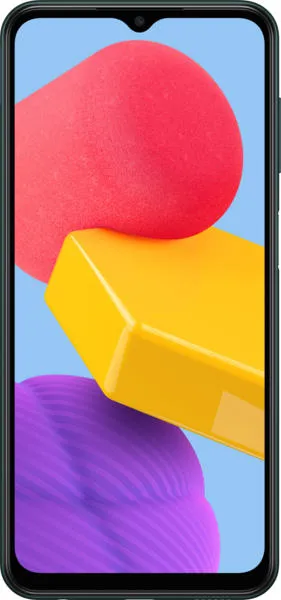
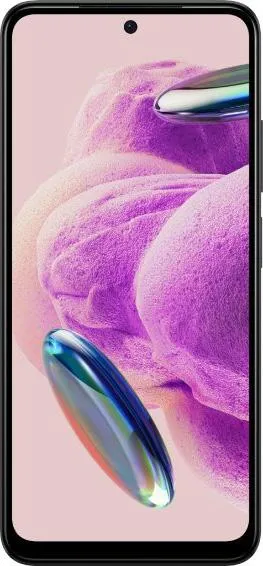
| Dimensions (mm) | 165.4 x 76.9 x 8.4 | 159.9 x 73.9 x 8.1 | Redmi Note 12S is slightly more compact and lighter. |
| Weight (g) | 192 | 176 | Noticeable difference in hand feel; Redmi offers better one-handed usability. |
| Display | |||
| Type | PLS LCD | AMOLED | Redmi's AMOLED delivers richer colors, deeper blacks, and better power efficiency. |
| Size (inches) | 6.6 | 6.43 | Negligible difference in screen real estate. |
| Resolution | 1080 x 2408 | 1080 x 2400 | Virtually identical sharpness. |
| Refresh Rate | - | 90Hz | Redmi's 90Hz provides smoother scrolling and animations. |
| Performance | |||
| Chipset | Exynos 850 | Helio G96 | Redmi's Helio G96 generally offers better gaming and multitasking performance. |
| CPU | Octa-core 2.0 GHz | Octa-core (2x2.05 GHz & 6x2.0 GHz) | Redmi's CPU architecture provides a performance edge, especially in demanding tasks. |
| RAM | 4GB | 6/8GB | Redmi offers more RAM options for smoother multitasking. |
| Camera | |||
| Main Camera | 50MP | 108MP | Redmi boasts higher resolution, potentially capturing more detail. |
| Sensor Type | CMOS | ISOCELL | While both are good sensors, ISOCELL generally handles light better, especially low-light. |
| Battery Life | |||
| Capacity (mAh) | 5000 | 5000 | Similar battery capacity. |
| Fast Charging | 15W | 33W | Redmi charges significantly faster. |
2. Key Insights
- Display: The Redmi Note 12S's AMOLED display is a clear winner, offering vibrant visuals and smoother scrolling thanks to its 90Hz refresh rate. The Galaxy M13's PLS LCD is functional but less impressive.
- Performance: While both phones handle everyday tasks well, the Redmi Note 12S pulls ahead in demanding applications and gaming due to its more powerful Helio G96 chipset and larger RAM options.
- Camera: The Redmi Note 12S boasts a higher resolution main camera (108MP vs. 50MP). However, megapixels aren't everything. Real-world image quality will depend on factors like sensor size, processing, and software optimization, which requires further investigation beyond the provided specs. The Samsung Galaxy M13's CMOS sensor might provide an edge in varied lighting conditions.
- Battery: Both phones have 5000mAh batteries, but the Redmi Note 12S's 33W fast charging significantly reduces downtime compared to the M13's 15W.
3. User Profiles and Recommendations
- Samsung Galaxy M13: Best suited for budget-conscious users who prioritize basic functionality and long battery life. Ideal for casual web browsing, social media, and light productivity.
- Xiaomi Redmi Note 12S: A great choice for users who value a superior display, smoother performance, faster charging, and a higher-resolution camera. Well-suited for mobile gaming, content consumption, and more demanding tasks.
4. Buying Decision Framework
- What's your budget? The Galaxy M13 is generally more affordable.
- Is display quality a priority? If yes, the Redmi Note 12S's AMOLED screen is the way to go.
- Do you need top-tier performance? For gaming and heavy multitasking, choose the Redmi Note 12S.
My Choice: Xiaomi Redmi Note 12S
If I were choosing between these two, I'd go for the Redmi Note 12S. The superior AMOLED display, faster processor, larger RAM options, quicker charging, and more modern design make it a more compelling overall package. While the camera comparison needs further analysis beyond just megapixels, the Redmi Note 12S at least starts with a potential advantage in resolution. The slightly higher price is justified by the noticeable upgrades in user experience. As someone who appreciates smooth performance and vibrant visuals, the Redmi Note 12S aligns better with my personal preferences and how I use a smartphone.
