Samsung Galaxy M13 vs. Xiaomi Redmi Note 12 Pro 4G: A Deep Dive
Let's dissect the Samsung Galaxy M13 and Xiaomi Redmi Note 12 Pro 4G, two mid-range contenders vying for your attention. We'll go beyond the spec sheet to uncover what these numbers really mean for your daily life.
1. Specifications Breakdown
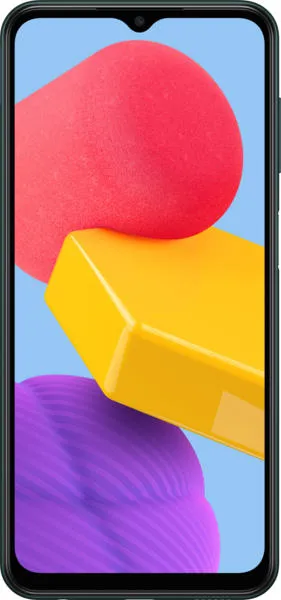
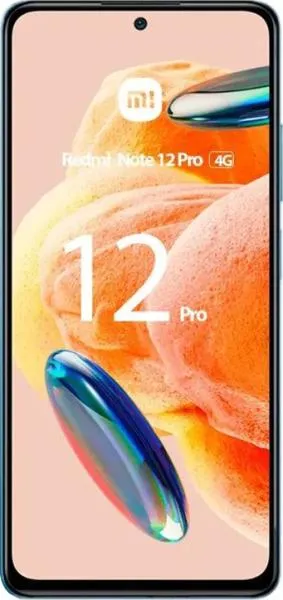
| Feature | Samsung Galaxy M13 | Xiaomi Redmi Note 12 Pro 4G | Real-World Implications |
|---|---|---|---|
| Design | |||
| Dimensions (mm) | 165.4 x 76.9 x 8.4 | 164.2 x 76.1 x 8.1 | Negligible size difference; both feel comfortable in hand. |
| Weight (g) | 192 | 201.8 | Redmi slightly heavier, but not significantly so. |
| Display | |||
| Type | PLS LCD | AMOLED | Redmi offers richer colors, deeper blacks, and better contrast. |
| Size (inches) | 6.6 | 6.67 | Virtually identical screen real estate. |
| Resolution | 1080 x 2408 | 1080 x 2400 | Similar sharpness; indistinguishable to the naked eye. |
| Refresh Rate (Hz) | Standard | 120 | Redmi's 120Hz display delivers smoother scrolling and animations. |
| Performance | |||
| Chipset | Exynos 850 | Snapdragon 732G | Redmi's Snapdragon offers noticeably better performance and gaming capabilities. |
| CPU | Octa-core 2.0 GHz | Octa-core (2x2.2 GHz & 6x1.8 GHz) | Redmi boasts faster clock speeds, leading to quicker app launches and multitasking. |
| RAM (GB) | 4 | 8 | Redmi's 8GB RAM enables smoother multitasking and less frequent app reloading. |
| Camera | |||
| Main Camera (MP) | 50 | 108 | Redmi's 108MP sensor potentially captures more detail, especially in good lighting. |
| Video Recording | 1080p@30fps | 4K@30fps | Redmi supports higher resolution video recording. |
| Battery Life | |||
| Capacity (mAh) | 5000 | 5020 | Negligible difference in battery capacity. |
| Fast Charging | 15W | 67W | Redmi charges significantly faster. |
2. Key Insights
The Redmi Note 12 Pro 4G pulls ahead in key areas: display, performance, camera, and charging speed. Its AMOLED display delivers a visually superior experience, while the Snapdragon 732G and 8GB RAM provide a significant performance boost over the Galaxy M13. The 108MP camera sensor and 4K video recording capabilities further solidify its advantage. Finally, the 67W fast charging dramatically reduces downtime compared to the M13's 15W charging.
The Galaxy M13's strength lies primarily in its affordability. While we don't have exact pricing, M series phones generally target a lower price point than Redmi Note Pro devices.
3. User Profiles and Recommendations
Galaxy M13: Best suited for budget-conscious users who prioritize basic smartphone functionality – calling, texting, web browsing, and social media. It's a reliable option for casual users who don't demand high performance or advanced features.
Redmi Note 12 Pro 4G: Ideal for users who value a premium multimedia experience, smoother performance, faster charging, and superior camera capabilities. Gamers, content creators, and heavy multitaskers will appreciate the Redmi's enhanced hardware.
4. Buying Decision Framework
- What's your budget? If price is your primary concern, the Galaxy M13 likely offers better value.
- How important is performance and multimedia quality? If you demand a smooth, responsive experience with vibrant visuals, the Redmi Note 12 Pro 4G is the clear winner.
- What are your photography and videography needs? For casual snapshots, the M13 suffices. However, if you want high-resolution photos and 4K videos, the Redmi excels.
My Choice: Redmi Note 12 Pro 4G
While I appreciate a good value proposition, the Redmi Note 12 Pro 4G's advantages are too significant to ignore. The superior AMOLED display, faster processor, ample RAM, impressive camera system, and blazing-fast charging outweigh the potential price difference. As someone who values a smooth and responsive user experience, along with strong multimedia capabilities, the Redmi Note 12 Pro 4G aligns perfectly with my needs. The leap in charging speed alone would drastically improve my daily workflow. It's a device that offers a more future-proof and enjoyable overall experience.
