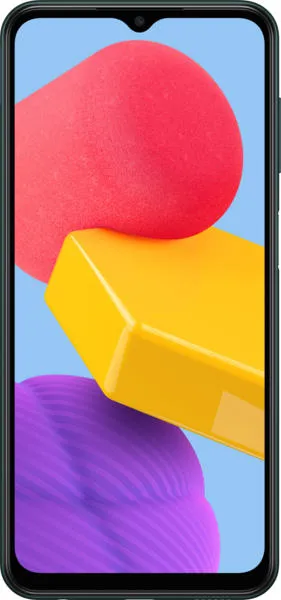
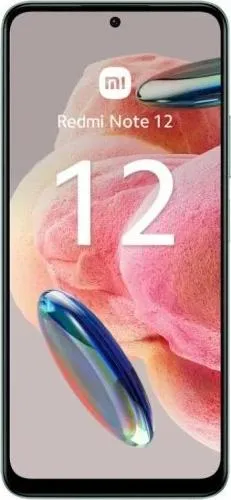
Samsung Galaxy M13 vs. Xiaomi Redmi Note 12 4G: A Deep Dive
Let's dissect the Samsung Galaxy M13 and the Xiaomi Redmi Note 12 4G, going beyond the spec sheet to understand what these phones offer in the real world.
1. Specifications Breakdown
| Feature | Samsung Galaxy M13 | Xiaomi Redmi Note 12 4G | Real-World Implications |
|---|---|---|---|
| Design | |||
| Dimensions (mm) | 165.4 x 76.9 x 8.4 | 165.7 x 76 x 7.9 | Redmi Note 12 4G is slightly thinner and lighter, potentially offering a more comfortable in-hand feel. |
| Weight (g) | 192 | 183.5 | Noticeable difference in weight; Redmi feels less bulky. |
| Display | |||
| Type | PLS LCD | AMOLED | Redmi's AMOLED display offers richer colors, deeper blacks, and better contrast, leading to a more visually engaging experience. |
| Size (inches) | 6.6 | 6.67 | Negligible difference in screen real estate. |
| Resolution (px) | 1080 x 2408 | 1080 x 2400 | Virtually identical sharpness; both offer crisp visuals. |
| Refresh Rate (Hz) | - | 120 | Redmi's 120Hz refresh rate provides smoother scrolling and animations, making interactions feel more fluid and responsive. |
| Performance | |||
| Chipset | Exynos 850 (8nm) | Snapdragon 685 (6nm) | Snapdragon 685 generally offers better performance and efficiency due to its more advanced architecture and smaller manufacturing process. |
| CPU | Octa-core 2.0 GHz | Octa-core (4x2.8 GHz & 4x1.9 GHz) | Redmi's CPU boasts higher clock speeds, translating to faster app loading and multitasking. |
| GPU | Mali-G52 | Adreno 610 | Adreno 610 provides a smoother gaming experience and better graphics performance. |
| RAM (GB) | 4 | 4/6/8 | Redmi offers configurations with more RAM, enabling better multitasking and handling demanding applications. |
| Camera | |||
| Main Camera (MP) | 50 | 50 | Comparable main camera resolution; image quality will depend on sensor and software processing. |
| Selfie Camera (MP) | 8 | 13 | Redmi offers a higher resolution selfie camera, potentially capturing more detailed self-portraits. |
| Battery Life | |||
| Capacity (mAh) | 5000 | 5000 | Identical battery capacity; actual battery life will depend on usage patterns and software optimization. |
| Charging (W) | 15 | 33 | Redmi supports significantly faster charging, reducing downtime considerably. |
2. Key Insights
The Redmi Note 12 4G pulls ahead in several key areas. Its AMOLED display with a 120Hz refresh rate delivers a superior visual experience. The Snapdragon 685 chipset and Adreno 610 GPU provide a significant performance advantage, especially for gaming and demanding tasks. The faster 33W charging is a major plus for convenience. The Galaxy M13, while offering a solid foundation, lags behind in performance, display technology, and charging speed.
3. User Profiles and Recommendations
- Galaxy M13: Suitable for budget-conscious users who prioritize basic smartphone functionality - calling, texting, social media, and light web browsing. Not ideal for demanding tasks or gaming.
- Redmi Note 12 4G: Best suited for users who value a vibrant display, smooth performance, fast charging, and a better overall user experience. Ideal for multimedia consumption, gaming, and multitasking.
4. Buying Decision Framework
- What is your budget? The Galaxy M13 is generally more affordable.
- What are your primary smartphone uses? For basic tasks, the M13 suffices; for demanding tasks and gaming, choose the Redmi Note 12 4G.
- How important is display quality and charging speed? If these are priorities, the Redmi Note 12 4G is the clear winner.
My Choice: I would choose the Xiaomi Redmi Note 12 4G. The superior AMOLED display, significantly better performance thanks to the Snapdragon 685 and faster charging are compelling advantages. As someone who appreciates a fluid user experience and values my time, the Redmi Note 12 4G's strengths outweigh its slightly higher price. The responsiveness of the 120Hz display and the quicker charging would noticeably improve my daily interactions with the phone.
