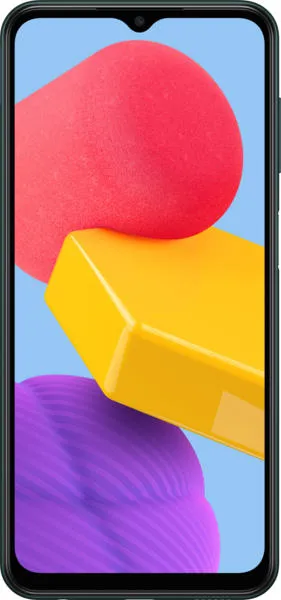
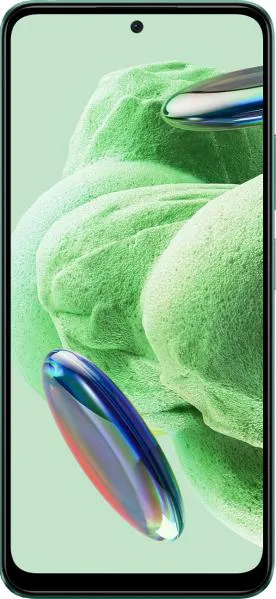
Samsung Galaxy M13 vs. Xiaomi Redmi Note 12: A Deep Dive for the Discerning Smartphone Buyer
Hello fellow tech explorers! Alex Griffin here, ready to dissect the Samsung Galaxy M13 and Xiaomi Redmi Note 12. We'll go beyond the spec sheet and uncover what these phones really offer in terms of daily use. Let's get started!
1. Specifications Breakdown
| Feature | Samsung Galaxy M13 | Xiaomi Redmi Note 12 | Real-World Implications |
|---|---|---|---|
| Design | |||
| Dimensions (mm) | 165.4 x 76.9 x 8.4 | 165.9 x 76.2 x 8.0 | Redmi Note 12 is slightly thinner and lighter, improving portability. |
| Weight (g) | 192 | 188 | Noticeable difference in hand feel; Redmi feels less bulky. |
| Display | |||
| Type | PLS LCD | AMOLED | Redmi's AMOLED offers richer colors, deeper blacks, and better contrast. |
| Size | 6.6" | 6.67" | Negligible difference in screen real estate. |
| Resolution | 1080 x 2408 | 1080 x 2400 | Similar sharpness; both are crisp for everyday use. |
| Refresh Rate | Standard | 120Hz | Redmi's 120Hz delivers smoother scrolling and animations. |
| Performance | |||
| Chipset | Exynos 850 (8nm) | Snapdragon 4 Gen 1 (6nm) | Snapdragon 4 Gen 1 generally offers better performance and efficiency. |
| CPU | Octa-core 2.0 GHz | Octa-core (2x2.0 GHz & 6x1.8 GHz) | Redmi's CPU architecture might offer a slight performance edge in demanding tasks. |
| GPU | Mali-G52 | Adreno 619 | Adreno 619 typically provides a smoother gaming experience. |
| RAM | 4GB | 4/6/8GB | Redmi offers configurations with more RAM for better multitasking. |
| Camera | |||
| Main Camera | 50MP | 48MP | Megapixels aren't everything; image quality depends on sensor and processing. |
| Features | Basic | More comprehensive (Night Mode, Ultra stable video) | Redmi offers more advanced camera features for enhanced photography and videography. |
| Battery Life | |||
| Capacity | 5000mAh | 5000mAh | Similar battery capacity suggests comparable longevity. |
| Charging | 15W Fast Charging | 33W Fast Charging | Redmi charges significantly faster, minimizing downtime. |
2. Key Insights
- Display: The Redmi Note 12's AMOLED display is a significant advantage, providing a visually superior experience. The 120Hz refresh rate further enhances smoothness.
- Performance: While the Exynos 850 is capable, the Snapdragon 4 Gen 1 in the Redmi Note 12, coupled with higher RAM options, likely delivers better overall performance, particularly for gaming and multitasking.
- Camera: Both phones have decent cameras, but the Redmi Note 12 boasts more features, including Night Mode and Ultra stable video, potentially resulting in better photos and videos in various conditions.
- Charging: The Redmi Note 12's 33W fast charging is a clear winner, offering significantly quicker charging times compared to the Galaxy M13's 15W.
3. User Profiles and Recommendations
- Samsung Galaxy M13: Best for users on a tight budget who prioritize basic functionality and long battery life. Suitable for casual users primarily focused on communication, web browsing, and light media consumption.
- Xiaomi Redmi Note 12: Ideal for users seeking a well-rounded experience with a vibrant display, smooth performance, faster charging, and more advanced camera features. A good choice for gamers, content creators, and those who demand a more responsive and feature-rich device.
4. Buying Decision Framework
- What is your budget? The Galaxy M13 is generally more affordable.
- Is display quality a priority? If yes, the Redmi Note 12's AMOLED and 120Hz refresh rate are compelling.
- Do you need fast charging? The Redmi Note 12 charges much faster.
Scenario-Based Recommendations:
- Tight budget, basic usage: Galaxy M13
- Balanced performance and features: Redmi Note 12 (base model)
- Smooth gaming and multitasking: Redmi Note 12 (higher RAM variant)
My Choice: Xiaomi Redmi Note 12
If I were choosing between these two, I'd go for the Xiaomi Redmi Note 12. The superior AMOLED display with a 120Hz refresh rate, coupled with the generally faster performance of the Snapdragon 4 Gen 1 and quicker 33W charging, are significant advantages that enhance the overall user experience. While the Galaxy M13 offers good value for its price, the Redmi Note 12 provides a more compelling package for a slightly higher investment, future-proofing the purchase with better technology. The enhanced camera features are a bonus for capturing life's moments with greater clarity and creativity.
