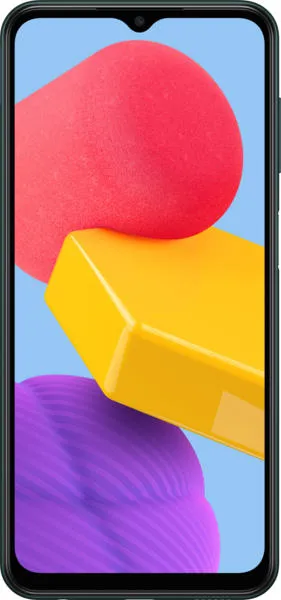
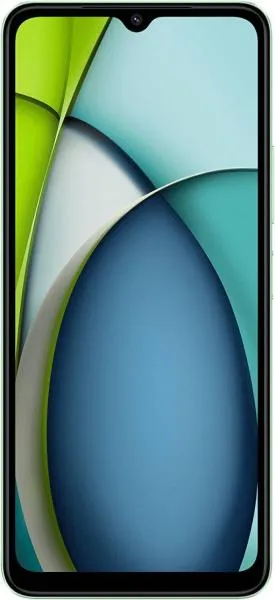
Samsung Galaxy M13 vs. Xiaomi Redmi A3x: A Detailed Comparison
Let's dive into a head-to-head comparison of the Samsung Galaxy M13 and the Xiaomi Redmi A3x, dissecting their specifications and uncovering what they truly offer in real-world usage.
1. Specifications Breakdown
| Feature | Samsung Galaxy M13 | Xiaomi Redmi A3x | Real-World Implications |
|---|---|---|---|
| Design | |||
| Dimensions (mm) | 165.4 x 76.9 x 8.4 | 168.4 x 76.3 x 8.3 | M13 slightly smaller, potentially more pocketable. Negligible difference in daily use. |
| Weight (g) | 192 | 193 | Virtually identical weight; won't be noticeable. |
| Display | |||
| Size (inches) | 6.6 | 6.71 | A3x marginally larger; immersive content consumption. |
| Resolution (px) | 1080 x 2408 | 720 x 1650 | M13 significantly sharper; crisper text and images. A3x's lower resolution may appear pixelated, especially with text and fine details. |
| Refresh Rate (Hz) | (Unspecified) | 90 | A3x's 90Hz delivers smoother scrolling and animations; more responsive feel. M13 likely 60Hz, standard but less fluid. |
| Display Type | PLS LCD | IPS LCD | Both are LCD panels; expect decent color reproduction and viewing angles. PLS LCD generally offers slight power efficiency advantages. |
| Performance | |||
| Chipset | Exynos 850 (8nm) | Unisoc T603 (22nm) | M13's Exynos 850 built on a smaller process node; potentially better performance and power efficiency. A3x likely targets basic tasks. |
| CPU | Octa-core 2.0 GHz | Octa-core 1.8 GHz | M13 likely offers better multi-tasking and smoother performance in demanding applications. A3x sufficient for everyday light usage. |
| RAM (GB) | 4 | 4 | Both have 4GB RAM; decent for multitasking, though M13's superior processor may handle memory management more efficiently. |
| Camera | |||
| Rear Camera (MP) | 50 + 5 + 2 + 2 | 8 + 0.1 | M13 boasts a versatile quad-camera system with a higher resolution primary sensor. A3x's camera setup is basic for casual photography. |
| Front Camera (MP) | 8 | 5 | M13 offers a higher resolution selfie camera; potentially better image quality for video calls and self-portraits. |
| Battery Life | |||
| Capacity (mAh) | 5000 | 5000 | Identical battery capacity; expected to provide all-day battery life for moderate usage on both devices. |
| Fast Charging | 15W | 10W | M13 supports faster charging; less downtime plugged in. |
| Other | |||
| OS | Android 12 | Android 14 | A3x ships with a newer Android version; potentially longer software support and newer features. |
| NFC | Yes | No | M13 supports NFC for contactless payments and other functionalities. |
| Price Range | Medium | Low | M13 positioned in a higher price bracket; reflecting its superior specs in certain areas. |
2. Key Insights
The Samsung Galaxy M13 shines with its superior display, performance, and camera versatility. The higher resolution screen and more powerful processor contribute to a smoother, more enjoyable user experience, especially for tasks like gaming, media consumption, and multitasking. The quad-camera setup offers more flexibility for photography enthusiasts.
The Xiaomi Redmi A3x, on the other hand, prioritizes affordability and a modern software experience. While its performance and camera are less impressive, the 90Hz display offers a surprisingly smooth user interface. Its strength lies in providing a basic smartphone experience at a budget-friendly price.
3. User Profiles and Recommendations
Galaxy M13: Suited for users who value a sharp display, smooth performance, and a versatile camera. Ideal for:
- Mobile gamers
- Content consumers (video streaming, social media)
- Photography enthusiasts
Redmi A3x: Best for budget-conscious users who prioritize a modern software experience and smooth scrolling over raw performance or camera quality. Ideal for:
- Casual users primarily focused on communication and basic tasks
- First-time smartphone users
- Users seeking a large screen on a tight budget
4. Buying Decision Framework
- What is your budget? If price is a primary concern, the Redmi A3x is the clear winner.
- What are your primary smartphone uses? For demanding tasks, the M13's superior performance and display are crucial. For basic communication and web browsing, the A3x is sufficient.
- How important is camera quality? The M13 significantly outperforms the A3x in this area.
My Choice: As a tech journalist focused on performance and user experience, I would choose the Samsung Galaxy M13. The sharper display, more powerful processor, and versatile camera system outweigh the Redmi A3x's price advantage and newer Android version. The smoother performance and richer visuals would significantly enhance my daily usage, making the M13 a more worthwhile investment in the long run. While the A3x offers great value for its price, the compromises in performance and camera would be too significant for my needs.
