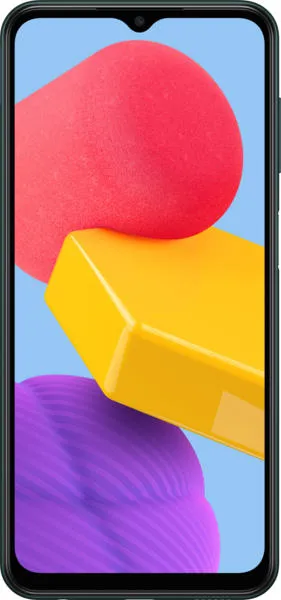
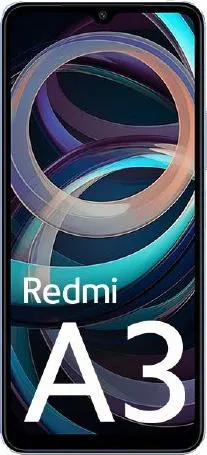
Let's dive into a comparative analysis of the Samsung Galaxy M13 and the Xiaomi Redmi A3, dissecting their specifications and uncovering what they truly offer the everyday user.
1. Specifications Breakdown
| Feature | Samsung Galaxy M13 | Xiaomi Redmi A3 | Real-World Implications |
|---|---|---|---|
| Design | |||
| Dimensions (mm) | 165.4 x 76.9 x 8.4 | 168.3 x 76.3 x 8.3 | M13 slightly shorter and narrower; both slim. Negligible difference in hand feel. |
| Weight (g) | 192 | 193 | Virtually identical; average weight for this size. |
| Display | |||
| Size (inches) | 6.6 | 6.71 | Redmi A3 marginally larger. |
| Resolution | 1080 x 2408 | 720 x 1650 | M13 significantly sharper (400 ppi vs 268 ppi); noticeable difference in clarity, especially with text and images. |
| Type | PLS LCD | IPS LCD | Similar panel technology; expect decent color reproduction and viewing angles. M13's PLS LCD might offer slightly better brightness. |
| Refresh Rate | (Unspecified) | 90Hz | Redmi A3's 90Hz offers smoother scrolling and animations, more responsive feel. Major advantage for gaming and general UI fluidity. |
| Performance | |||
| Chipset | Exynos 850 (8nm) | Helio G36 (12nm) | Exynos 850 generally more powerful and efficient. Expect better performance in demanding tasks and potentially better battery life. |
| CPU | Octa-core 2.0 GHz | Octa-core 2.2 GHz/1.6 GHz | Redmi A3 has slightly higher clock speed on performance cores, but Exynos 850's architecture likely provides a performance edge overall. |
| GPU | Mali-G52 | PowerVR GE8320 | Mali-G52 offers significantly better graphics performance; smoother gaming and faster rendering. |
| RAM | 4GB | 3/4/6GB | Redmi A3 offers configurations with more RAM, beneficial for multitasking. |
| Camera | |||
| Rear Camera | 50MP + 5MP + 2MP + 2MP | 8MP + 0.3MP | M13 boasts a higher resolution main sensor and additional lenses for versatility (wide, depth, macro). Likely better image quality. |
| Front Camera | 8MP | 5MP | M13 offers a higher resolution selfie camera. |
| Battery Life | |||
| Capacity | 5000 mAh | 5000 mAh | Identical battery capacity; expected similar longevity depending on usage. |
| Charging | 15W Fast Charging | 10W Fast Charging | M13 charges faster. |
2. Key Insights
The Samsung Galaxy M13 shines with its superior display resolution, a more powerful processor (Exynos 850), a significantly better GPU for gaming, and a more versatile camera system.
The Xiaomi Redmi A3, while less powerful, offers a higher refresh rate display for smoother visuals and comes at a lower price point with options for more RAM. Its main advantage lies in its value proposition.
3. User Profiles and Recommendations
Galaxy M13: Users who prioritize a sharp display, good performance for gaming and multitasking, and a versatile camera. This phone caters to those seeking a well-rounded experience without breaking the bank.
Redmi A3: Budget-conscious users who prioritize a smooth display experience and are willing to compromise on processing power and camera quality. Best for light users focused on basic tasks, social media, and web browsing.
4. Buying Decision Framework
- What is your budget? The Redmi A3 is the more affordable option.
- Is a smooth display or a sharp display more important? Redmi A3 has 90Hz, M13 has higher resolution.
- Do you play games or require strong performance? The M13's Exynos 850 and Mali-G52 offer a significant advantage.
My Choice: Samsung Galaxy M13
While the Redmi A3 offers incredible value, I would choose the Samsung Galaxy M13. The superior display sharpness, stronger processor, and significantly better GPU are crucial for my usage, which involves gaming, photography, and multitasking. The faster charging is a welcome bonus. I'm willing to pay the price premium for the noticeable difference in overall performance and user experience that the M13 delivers. The sharper display alone is a major factor for me, as I consume a lot of media on my phone.
