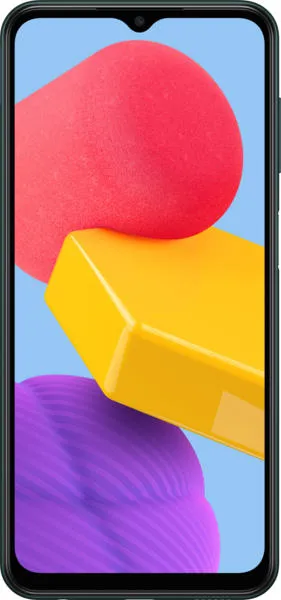
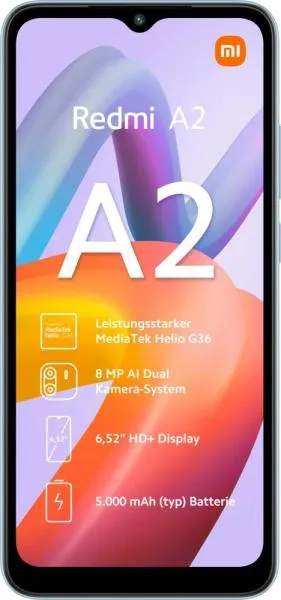
Samsung Galaxy M13 vs. Xiaomi Redmi A2+: A Practical Comparison
Let's dive into a head-to-head comparison of the Samsung Galaxy M13 and the Xiaomi Redmi A2+, dissecting their specs and uncovering what they truly offer in real-world usage.
1. Specifications Breakdown
| Feature | Samsung Galaxy M13 | Xiaomi Redmi A2+ | Real-World Implications |
|---|---|---|---|
| Design | |||
| Dimensions (mm) | 165.4 x 76.9 x 8.4 | 164.9 x 76.8 x 9.1 | M13 slightly taller, A2+ slightly thicker |
| Weight (g) | 192 | 192 | Virtually identical, average for this size |
| Build Materials | Plastic | Plastic | Expect similar durability, case recommended for both |
| Display | |||
| Size (inches) | 6.6 | 6.52 | Negligible difference in screen real estate |
| Resolution | 1080 x 2408 | 720 x 1600 | M13 significantly sharper, better for media consumption |
| Panel Type | PLS LCD | IPS LCD | Expect similar color accuracy, M13 potentially brighter |
| PPI Density | 400 | 269 | M13 noticeably sharper text and images |
| Performance | |||
| Chipset | Exynos 850 (8nm) | Helio G36 (12nm) | M13 likely more power-efficient, comparable everyday performance |
| CPU | Octa-core 2.0 GHz | Octa-core 2.2 GHz | A2+ slightly faster clock speed, real-world difference minimal |
| RAM | 4GB | 3GB | M13 better multitasking, smoother app switching |
| Camera | |||
| Rear Main | 50MP | 8MP | M13 vastly superior resolution and detail |
| Rear Ultrawide | 5MP | N/A | M13 offers wider field of view |
| Front Camera | 8MP | 5MP | M13 better selfie quality |
| Battery Life | |||
| Capacity (mAh) | 5000 | 5000 | Similar battery capacity |
| Charging | 15W Fast Charging | 10W | M13 faster charging |
| Other | |||
| NFC | Yes | No | M13 enables contactless payments |
| USB Type | USB-C | microUSB | M13 modern, reversible connector |
| Price Range | Medium | Low | M13 generally more expensive |
2. Key Insights
The Samsung Galaxy M13 boasts a significantly sharper display, a more versatile camera system with a higher resolution main sensor and an ultrawide lens, and faster charging. Its Exynos processor, while perhaps not as powerful in benchmarks as the Helio G36, likely offers better efficiency leading to comparable real-world performance. The inclusion of NFC is a major advantage for contactless payments.
The Redmi A2+’s main strength lies in its affordability. While its specifications are less impressive on paper, it still offers a large display and a long-lasting battery. It's a device geared towards basic functionality and budget-conscious consumers.
3. User Profiles and Recommendations
Samsung Galaxy M13: Suited for users who prioritize a better display for media consumption, a more capable camera system, faster charging, and NFC functionality. Ideal for light gaming, social media, and everyday tasks.
Xiaomi Redmi A2+: Best for users on a tight budget who primarily need a smartphone for calling, texting, basic web browsing, and simple apps. Good for less demanding users or as a secondary device.
4. Buying Decision Framework
- What's your budget? If price is the primary concern, the Redmi A2+ is the clear choice.
- Is camera quality important? The M13's superior camera system makes it a better option for photography enthusiasts.
- Do you need NFC? If contactless payments are essential, the M13 is the only option.
My Choice: The Samsung Galaxy M13
While the Redmi A2+ offers incredible value for its price, I would choose the Samsung Galaxy M13. The sharper display, significantly better camera system, faster charging, NFC for contactless payments, and the modern USB-C port outweigh the price difference for me. These features contribute to a more enjoyable and convenient overall user experience, making the M13 a more versatile and future-proof device. The performance difference in daily use is likely negligible, making the M13's superior feature set the deciding factor.
