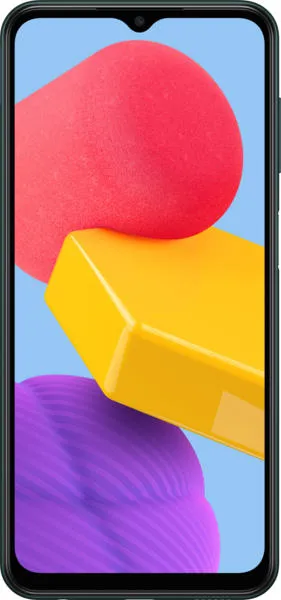
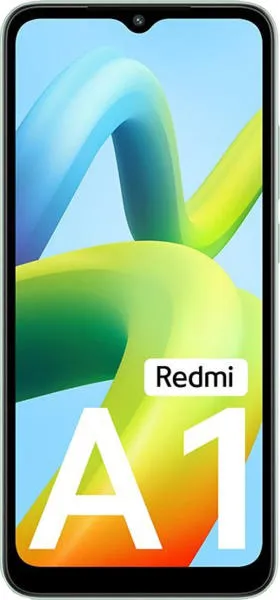
Samsung Galaxy M13 vs. Xiaomi Redmi A1+: A Practical Comparison
Let's dive deep into a comparative analysis of the Samsung Galaxy M13 and the Xiaomi Redmi A1+, focusing on how their specifications translate into real-world user experiences.
1. Specifications Breakdown
| Feature | Samsung Galaxy M13 | Xiaomi Redmi A1+ | Real-World Implications | |
|---|---|---|---|---|
| Design | ||||
| Dimensions | 165.4 x 76.9 x 8.4 mm | 164.9 x 76.8 x 9.1 mm | M13 slightly taller and thinner, A1+ slightly thicker. Negligible difference in hand feel. | |
| Weight | 192g | 192g | Identical weight. | |
| Build Materials | Plastic | Plastic | Expect similar durability and in-hand feel. | |
| Display | ||||
| Size | 6.6" | 6.52" | M13 offers a marginally larger screen. | |
| Resolution | 1080 x 2408 | 720 x 1600 | M13 significantly sharper (400 ppi vs. 269 ppi), resulting in clearer text and images. | |
| Type | PLS LCD | IPS LCD | Expect good color reproduction from both; M13's PLS might offer slightly wider viewing angles. | |
| Performance | ||||
| Chipset | Exynos 850 (8nm) | Helio A22 (12nm) | M13's Exynos 850 offers significantly better performance in multitasking, gaming, and demanding apps. | |
| CPU | Octa-core 2.0 GHz | Quad-core 2.0 GHz | More cores and potentially better architecture in the M13 translate to smoother overall performance. | |
| RAM | 4GB | 2GB | M13's 4GB RAM enables better multitasking and app switching without slowdowns. | |
| Camera | ||||
| Rear Camera | 50MP + 5MP + 2MP+ 2MP | 8MP + 0.3MP | M13 boasts a higher resolution main sensor promising better detail and low-light performance. | |
| Front Camera | 8MP | 5MP | Higher resolution on the M13 for potentially better selfies. | |
| Battery Life | ||||
| Capacity | 5000 mAh | 5000 mAh | Similar battery capacities suggest comparable longevity. | |
| Charging | 15W Fast Charging | 10W Fast Charging | M13 charges faster. | |
| Other | ||||
| NFC | Yes | No | M13 supports contactless payments and data transfer. | |
| USB Type | USB Type-C | microUSB | M13 offers the more modern and versatile connector. | |
| Price Range | Medium | Low | Reflects the overall performance and feature differences. |
2. Key Insights
The Samsung Galaxy M13 clearly outperforms the Redmi A1+ in several key areas. Its superior display, more powerful processor, larger RAM, and versatile camera system position it as a more capable device. The inclusion of NFC and USB Type-C further enhances its appeal. However, the Redmi A1+ shines in its affordability, making it a budget-friendly option for basic smartphone needs.
3. User Profiles and Recommendations
Samsung Galaxy M13: Suited for users who prioritize performance, a sharp display, a versatile camera, and modern features like NFC. Ideal for mobile gaming, content consumption, multitasking, and those seeking a well-rounded smartphone experience.
Xiaomi Redmi A1+: Best for budget-conscious users who primarily need a smartphone for basic communication, web browsing, and light app usage. A good option for first-time smartphone users or as a secondary device.
4. Buying Decision Framework
- What is your budget? If price is a major constraint, the Redmi A1+ is the more affordable choice.
- What do you prioritize in a smartphone? If performance, display quality, and camera capabilities are important, the M13 is the better option.
- What is your typical usage pattern? For demanding tasks and multimedia consumption, the M13 is recommended. For basic communication and light usage, the A1+ is sufficient.
My Choice: I would choose the Samsung Galaxy M13. While the Redmi A1+ offers excellent value for its price, the M13's superior performance, sharper display, more versatile camera, and modern conveniences like NFC and USB Type-C are crucial for my workflow and daily usage. The price difference is justifiable for the significant jump in overall user experience. I value a phone that can handle multitasking seamlessly, deliver a visually engaging experience, and offer features that simplify daily tasks. The M13 aligns better with these preferences.
