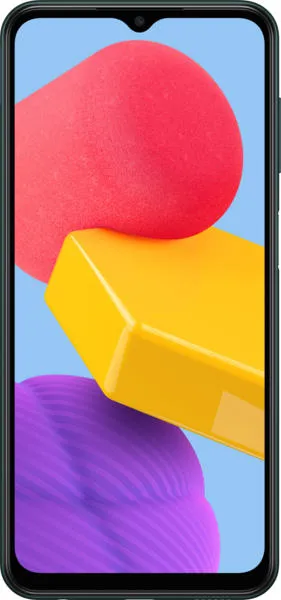
Samsung Galaxy M13 vs. realme 8: A Deep Dive for the Discerning User
Choosing the right smartphone involves more than just comparing numbers on a spec sheet. It's about understanding how those numbers translate into real-world performance and user experience. Let's dissect the Samsung Galaxy M13 and the realme 8, going beyond the surface to uncover what truly matters.
1. Specifications Breakdown
| Feature | Samsung Galaxy M13 | realme 8 | Real-World Implications |
|---|---|---|---|
| Design | |||
| Dimensions (mm) | 165.4 x 76.9 x 8.4 | 162 x 75.1 x 8.7 | realme 8 is slightly more compact but marginally thicker. |
| Weight (g) | 192 | 191 | Negligible weight difference; both feel comfortable in hand. |
| Display | |||
| Type | PLS LCD | LTPO AMOLED | realme 8 offers superior contrast, vibrant colors, and power efficiency. |
| Size (inches) | 6.6 | 6.78 | realme 8 has a slightly larger screen. |
| Resolution (px) | 1080 x 2408 | 1264 x 2780 | realme 8 boasts a sharper display with higher pixel density. |
| Refresh Rate (Hz) | - | 120 | realme 8 provides smoother scrolling and animations. |
| Performance | |||
| Chipset | Exynos 850 (8nm) | Snapdragon 7+ Gen 3(4nm) | realme 8 significantly outperforms in processing power and graphics. |
| CPU | Octa-core 2.0 GHz | Octa-core up to 2.8 GHz | realme 8 offers much faster and more responsive performance. |
| RAM (GB) | 4 | 12 | realme 8 has a massive advantage in multitasking and heavy applications. |
| Camera | Not Available | Cannot compare camera specs due to missing realme 8 data. | |
| Battery Life | |||
| Capacity (mAh) | 5000 | 5500 | realme 8 has a slightly larger battery capacity. |
2. Key Insights
- Display: The realme 8's LTPO AMOLED display with a 120Hz refresh rate is a clear winner. Expect significantly better contrast, richer colors, smoother animations, and potentially improved battery life due to the LTPO technology. The M13's PLS LCD is functional but lacks the visual punch and responsiveness of the realme 8.
- Performance: The Snapdragon 7+ Gen 3 in the realme 8 dwarfs the Exynos 850 in the M13. This translates to a dramatically smoother experience in demanding tasks, gaming, and multitasking. The 12GB RAM in the realme 8 further solidifies its performance advantage.
- Battery: While the realme 8 has a slightly larger battery, the LTPO display's efficiency could potentially offset the M13's smaller capacity. Real-world battery life would depend on usage patterns. We lack details on realme 8's charging speeds.
3. User Profiles and Recommendations
- Samsung Galaxy M13: Best suited for budget-conscious users who prioritize basic functionality over high performance. Ideal for casual browsing, social media, and light tasks. Not recommended for gaming or demanding applications.
- realme 8: The clear choice for users who value a premium display, smooth performance, and ample RAM for multitasking and gaming. Excellent for power users, content creators, and mobile gamers.
4. Buying Decision Framework
- What is your budget? The M13 is likely more affordable.
- What are your primary smartphone uses? Casual use vs. demanding tasks and gaming.
- How important is display quality and smoothness to you? The realme 8 excels in this area.
Scenario-Based Recommendations:
- Limited Budget, Basic Use: Samsung Galaxy M13
- Performance and Display Enthusiast: realme 8
My Choice: I would choose the realme 8. The superior display, significantly more powerful processor, larger RAM, and updated Android OS offer a compelling combination. While we lack camera details for the realme 8, the performance and display advantages alone make it a much more future-proof and enjoyable device to use, especially considering both are in the "medium price" range. The difference in user experience would be substantial. I value a smooth and responsive device with a vibrant display, and the realme 8 delivers on both fronts. The investment in the realme 8 would likely provide a more satisfying long-term experience.
