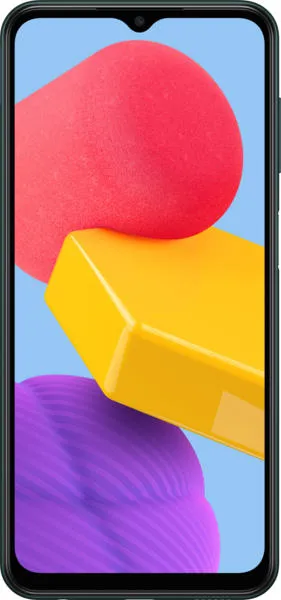
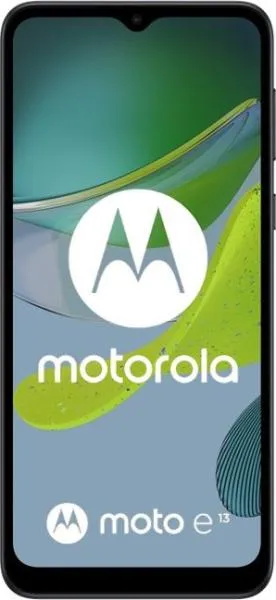
Samsung Galaxy M13 vs. Motorola Moto E13: A Detailed Comparison
Let's dive into a head-to-head comparison of the Samsung Galaxy M13 and the Motorola Moto E13, dissecting their specifications and uncovering what they truly offer in terms of real-world performance.
1. Specifications Breakdown
| Feature | Samsung Galaxy M13 | Motorola Moto E13 | Real-World Implications |
|---|---|---|---|
| Design | |||
| Dimensions (mm) | 165.4 x 76.9 x 8.4 | 164.2 x 75 x 8.5 | M13 slightly taller and wider, negligible difference in thickness. E13 slightly lighter. |
| Weight (g) | 192 | 179.5 | Noticeable difference in hand, E13 feels more lightweight. |
| Display | |||
| Size (inches) | 6.6 | 6.5 | Virtually identical screen real estate. |
| Resolution | 1080 x 2408 | 720 x 1600 | M13 significantly sharper and more detailed, impacting clarity of text and images. |
| Density (PPI) | 400 | 270 | M13 noticeably crisper, especially for text and small UI elements. |
| Type | PLS LCD | IPS LCD | Both offer decent color reproduction, but PLS LCD on M13 might offer slightly better viewing angles. |
| Performance | |||
| Chipset | Exynos 850 (8nm) | Unisoc T606 (12nm) | M13 likely offers better overall performance and efficiency. |
| CPU | Octa-core 2.0 GHz | Octa-core (2x1.6 GHz A75 & 6x1.6 GHz A55) | E13 utilizes a more modern CPU architecture, but the lower clock speed might hinder performance in demanding tasks. |
| GPU | Mali-G52 | Mali-G57 MP1 | M13's GPU might struggle in graphically intensive applications compared to the E13. |
| RAM | 4GB | 4GB | Both offer sufficient RAM for basic multitasking. |
| OS | Android 12 | Android 13 | E13 comes with a newer Android version out of the box, potentially offering newer features and longer software support. |
| Camera | |||
| Rear | 50MP + 5MP + 2MP +2MP | 13MP | M13 boasts a higher resolution main sensor and additional lenses for versatility. E13 offers a simpler single-lens setup. |
| Front | 8MP | 5MP | M13 offers a higher resolution selfie camera. |
| Battery Life | |||
| Capacity (mAh) | 5000 | 5000 | Identical battery capacity, suggesting similar potential battery life. |
2. Key Insights
The Samsung Galaxy M13 shines with its superior display, offering a significantly sharper and more detailed viewing experience. Its Exynos processor, while older, likely provides smoother performance in everyday tasks. The versatile quad-camera setup provides greater flexibility for capturing various scenes.
The Motorola Moto E13, while positioned as a more budget-friendly option, holds its own with a more recent CPU architecture and a newer Android OS version, potentially translating to longer software updates. Its lighter weight might be preferred by some users. However, the lower resolution display and single rear camera are notable compromises.
3. User Profiles and Recommendations
M13: Suited for users who prioritize display quality, overall performance, and camera versatility. Ideal for multimedia consumption, mobile gaming, and capturing photos and videos.
E13: Best for budget-conscious users who prioritize a lightweight design, long battery life, and the latest Android experience. Suitable for basic communication, web browsing, and casual social media usage.
4. Buying Decision Framework
- What is your budget? The E13 is a significantly more affordable option.
- Is display quality a priority? The M13's sharper screen is a clear advantage.
- Do you need a versatile camera system? The M13 offers a quad-camera setup compared to the E13's single lens.
My Choice: Personally, I would choose the Samsung Galaxy M13. The superior display is a crucial factor for me, as I consume a lot of multimedia content and appreciate a sharp, detailed viewing experience. The performance difference, while potentially not drastic, combined with the more versatile camera system, makes the M13 a more compelling overall package for my needs. While the E13's lighter weight and newer Android version are appealing, the screen resolution is a significant trade-off that I wouldn't be willing to make. The slightly higher price of the M13 is justified by the significant advantages in display and camera capabilities.
