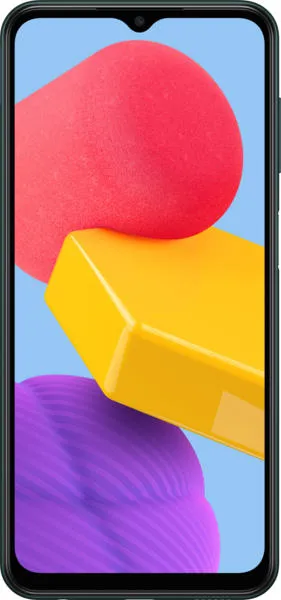
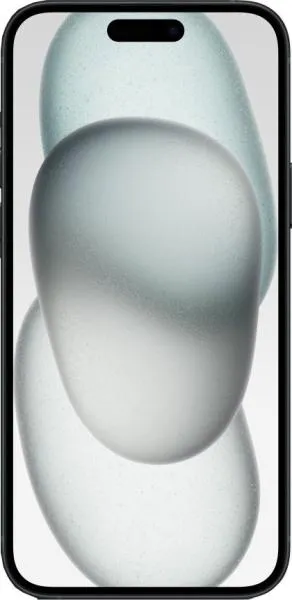
Samsung Galaxy M13 vs. Apple iPhone 15 Plus: A Deep Dive
Let's dissect the Samsung Galaxy M13 and the Apple iPhone 15 Plus, moving beyond the spec sheet to uncover what these devices truly offer in the real world.
1. Specifications Breakdown
| Feature | Samsung Galaxy M13 | Apple iPhone 15 Plus | Real-World Implications |
|---|---|---|---|
| Design | |||
| Dimensions (mm) | 165.4 x 76.9 x 8.4 | 160.9 x 77.8 x 7.8 | iPhone 15 Plus is slightly smaller and thinner, potentially more pocketable. |
| Weight (g) | 192 | 201 | Negligible weight difference in daily use. |
| Build Materials | Plastic | Aluminum & Glass | iPhone boasts a more premium feel and potentially better durability. |
| Display | |||
| Size (inches) | 6.6 | 6.7 | iPhone offers a slightly larger screen. |
| Resolution (px) | 1080 x 2408 | 1290 x 2796 | iPhone has a sharper, more detailed display. |
| Panel Type | PLS LCD | Super Retina XDR OLED | iPhone's OLED delivers richer colors, deeper blacks, and better contrast. |
| Peak Brightness | N/A | 2000 nits | iPhone's display is significantly brighter, improving outdoor visibility. |
| Performance | |||
| Chipset | Exynos 850 (8nm) | A16 Bionic (4nm) | iPhone's A16 offers significantly faster processing and graphics performance. |
| CPU | Octa-core 2.0 GHz | Hexa-core 3.46 GHz | iPhone provides much smoother multitasking and demanding app usage. |
| RAM (GB) | 4 | 6 | iPhone's larger RAM allows for more apps to run in the background. |
| OS | Android 12 | iOS 17 | Different operating systems cater to different user preferences. |
| Camera | |||
| Main Camera (MP) | 50 | 48 | Comparable resolution, but iPhone likely benefits from superior image processing. |
| Video Recording | 1080p@30fps | 4K@60fps | iPhone offers significantly higher resolution and frame rate video recording. |
| Battery Life | |||
| Capacity (mAh) | 5000 | 4383 | While the Galaxy M13 has a larger battery, the iPhone 15 Plus's efficient chip may result in comparable battery life. Real-world usage will vary. |
2. Key Insights
- Performance: The iPhone 15 Plus dramatically outperforms the Galaxy M13 due to its vastly superior A16 Bionic chip. This translates to a smoother, more responsive experience across all tasks, especially gaming and demanding applications.
- Display: The iPhone's Super Retina XDR OLED display delivers a visually stunning experience with vibrant colors, true blacks, and exceptional brightness. The M13's PLS LCD is functional but lacks the same visual punch.
- Camera: While megapixel counts are close, the iPhone 15 Plus likely produces better image quality thanks to its advanced image processing and superior video recording capabilities. The inclusion of features like Cinematic Mode further distinguishes the iPhone.
- Operating System: The choice between Android and iOS boils down to personal preference. Android offers more customization options, while iOS is known for its simplicity and tight integration within the Apple ecosystem.
3. User Profiles and Recommendations
- Samsung Galaxy M13: Best suited for budget-conscious users who prioritize basic smartphone functionality – calling, texting, web browsing, and light media consumption.
- Apple iPhone 15 Plus: Ideal for users who value performance, a premium display, a top-tier camera, and seamless integration with other Apple devices.
4. Buying Decision Framework
- What is your budget? The Galaxy M13 is significantly more affordable.
- What level of performance do you need? For demanding tasks and gaming, the iPhone 15 Plus is the clear winner.
- Which operating system do you prefer? Consider your familiarity and comfort with Android or iOS.
Scenario-Based Recommendations:
- Student on a Tight Budget: Galaxy M13
- Creative Professional: iPhone 15 Plus
- Casual User Primarily for Social Media: Either device could suffice, but the iPhone 15 Plus provides a better overall experience.
My Choice: iPhone 15 Plus
While the Galaxy M13 offers excellent value for its price, I would choose the iPhone 15 Plus. The significantly superior performance, stunning display, and advanced camera system are compelling. The A16 Bionic chip future-proofs the device, ensuring a smooth experience for years to come. While the price premium is substantial, the long-term value and enhanced user experience justify the investment for me. As someone who values a responsive and visually engaging device, the iPhone 15 Plus aligns better with my needs and priorities. The tighter integration with the Apple ecosystem, which I already use, is a bonus.
