1. Specifications Comparison
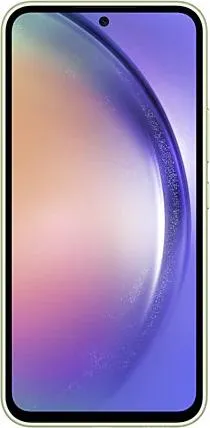
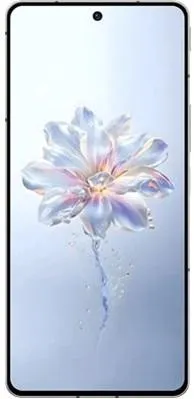
| Feature | Samsung Galaxy A54 | ZTE nubia Z50S Pro | Practical Impact |
|---|---|---|---|
| Design | |||
| Dimensions (mm) | 158.2 x 76.7 x 8.2 | 163.9 x 76.3 x 8.3 | Z50S Pro is slightly larger and heavier. |
| Weight (g) | 202 | 228 | A54 is noticeably lighter for one-handed use. |
| Display | |||
| Size (inches) | 6.4 | 6.8 | Z50S Pro offers a larger viewing area for media consumption. |
| Resolution (px) | 1080 x 2340 | 1260 x 2800 | Z50S Pro has a sharper display. |
| Type | Super AMOLED, 120Hz | AMOLED, 120Hz | Both offer vibrant colors and smooth scrolling; the A54's Super AMOLED might offer slightly better contrast. |
| Peak Brightness (nits) | 1000 (HBM) | 1500 | Z50S Pro will be more visible in direct sunlight. |
| Performance | |||
| Chipset | Exynos 1380 (5 nm) | Snapdragon 8+ Gen 2 (4 nm) | Z50S Pro boasts significantly more powerful CPU and GPU, leading to much smoother performance in demanding tasks and games. |
| RAM (GB) | 8 | 12 | More RAM in the Z50S Pro allows for better multitasking and app switching. |
| OS | Android 13 | Android 13 | Both run on the same OS version, offering similar software experiences initially. Long term updates are unknown for the Z50S Pro |
| Camera | |||
| Main Camera (MP) | 50 (Sony IMX766) | 54 (Sony IMX800, 35mm equivalent) | Both have high-resolution sensors; Z50S Pro's larger sensor and wider aperture (f/1.6) potentially capture more light and detail, especially in low light. The 35mm equivalent lens offers a unique perspective. |
| Ultrawide (MP) | 13 | 50 | Z50S Pro has a significantly higher resolution ultrawide, resulting in more detailed and usable shots. |
| Telephoto | No | 8MP | Z50S Pro offers optical zoom capability missing in the A54. |
| Video | Up to 4K@30fps | Up to 8K@30fps | Z50S Pro supports higher resolution video recording. |
| Battery | |||
| Capacity (mAh) | 5000 | 5100 | Negligible difference in battery capacity. |
| Fast Charging (W) | 25 | 80 | Z50S Pro charges significantly faster. |
2. Key Differences Analysis
ZTE nubia Z50S Pro Advantages:
- Significantly superior performance: Snapdragon 8+ Gen 2 offers a major leap in processing power and graphics rendering.
- Better camera system: Higher resolution main and ultrawide sensors, dedicated telephoto lens, 8K video recording.
- Faster charging: 80W fast charging drastically reduces charging times.
- Larger, sharper display: More immersive for media consumption.
- Brighter Display: Better outdoor visibility.
Samsung Galaxy A54 Advantages:
- Lighter and more compact: Easier to handle and carry.
- Potentially longer software support: Samsung generally provides longer OS and security updates.
Trade-offs:
- The Z50S Pro's superior performance and camera come at the cost of a larger, heavier device and potentially higher price.
- The A54 prioritizes portability and potentially longer software support but compromises on performance and camera features.
3. User Profiles & Recommendations
ZTE nubia Z50S Pro: Ideal for power users, gamers, photography enthusiasts, and those who prioritize performance and cutting-edge features.
Samsung Galaxy A54: Suitable for users who value a compact and lightweight phone with good battery life, reliable software updates, and a decent camera for everyday use. Price conscious buyers will appreciate the lower cost.
4. Decision Framework
Key Questions:
- What is your budget? The Z50S Pro is likely more expensive.
- What are your performance requirements? For demanding tasks and gaming, the Z50S Pro is significantly better.
- How important are camera quality and features? The Z50S Pro offers a more versatile and capable camera system.
My Choice: ZTE nubia Z50S Pro
While the Samsung Galaxy A54 is a solid mid-range phone, the ZTE nubia Z50S Pro offers a compelling combination of performance, camera quality, and fast charging. The Snapdragon 8+ Gen 2 provides a substantial performance advantage that will be noticeable in everyday use and future-proofs the device for demanding applications. The improved camera system, especially the high-resolution ultrawide and dedicated telephoto lens, caters to photography enthusiasts. Finally, the significantly faster charging is a major convenience. While the Z50S Pro is larger and heavier, the benefits in performance, camera, and charging outweigh the slight increase in size for my personal needs. I am willing to pay the likely price premium for the significant upgrade in capabilities. The lack of confirmed long-term OS updates is a concern, but the overall package is more attractive to me.
