1. Specifications Comparison
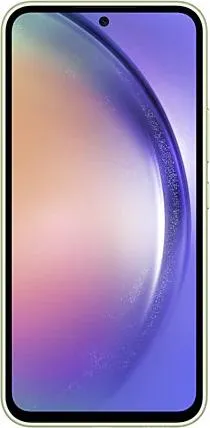
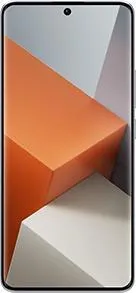
| Feature | Samsung Galaxy A54 | Xiaomi Redmi Note 13 Pro+ | Practical Impact |
|---|---|---|---|
| Design | |||
| Dimensions (mm) | 158.2 x 76.7 x 8.2 | 161.4 x 74.2 x 8.9 | Redmi is slightly larger and thicker. |
| Weight (g) | 202 | 199 | Negligible weight difference. |
| Display | |||
| Size (inches) | 6.4 | 6.67 | Redmi offers a larger screen for more immersive content consumption. |
| Resolution (px) | 1080 x 2340 | 1220 x 2712 | Redmi has a sharper display with higher resolution, resulting in finer details. |
| Display Type | Super AMOLED, 120Hz | AMOLED, 120Hz | Both offer smooth scrolling and vibrant colors, but Redmi boasts Dolby Vision and higher peak brightness (1800 nits vs unknown for A54) for better HDR performance in bright conditions. |
| PPI | 403 | 446 | Redmi's higher PPI contributes to its sharper display. |
| Performance | |||
| Chipset | Exynos 1380 (5 nm) | Mediatek Dimensity 7200 Ultra (4 nm) | Both are mid-range chipsets, but benchmarks suggest Dimensity 7200 Ultra offers a performance advantage. |
| CPU | Octa-core (4x2.4 GHz Cortex-A78 & 4x2.0 GHz Cortex-A55) | Octa-core (2x2.8 GHz Cortex-A715 & 6x2.0 GHz Cortex-A510) | Dimensity 7200 Ultra's newer architecture likely results in better performance and efficiency. |
| GPU | Mali-G68 MP5 | Mali-G610 MC4 | While both are capable GPUs, Mali-G68 MP5 in the A54 generally performs better in benchmarks for gaming. |
| RAM (GB) | 8 | 8/12/16 | Redmi offers configurations with higher RAM, enabling better multitasking. |
| Camera | |||
| Main Camera (MP) | 50 | 200 | Redmi has a significantly higher megapixel count on its main camera potentially capturing more detail, but higher megapixel count doesn't guarantee better image quality. |
| Front Camera (MP) | 32 | 16 | A54 has a higher resolution front camera for selfies. |
| DXOMARK Score | 107 | 121 | Redmi scores significantly higher in DXOMARK tests, indicating better overall camera performance. |
| Battery | |||
| Capacity (mAh) | 5000 | 5000 | Both phones have the same battery capacity. |
| Fast Charging (W) | 25 | 120 | Redmi supports significantly faster charging, minimizing downtime. |
2. Key Differences Analysis
Samsung Galaxy A54 Advantages:
- Potentially better GPU: The Mali-G68 MP5 might offer a smoother gaming experience compared to Redmi's Mali-G610 MC4, despite the latter's overall performance advantage.
- Higher Resolution Selfie Camera: Offers potentially more detailed selfies.
- Proven Track Record: Samsung's established reputation for software updates and device reliability.
Xiaomi Redmi Note 13 Pro+ Advantages:
- Sharper Display: Higher resolution and PPI resulting in a more detailed visual experience.
- More Powerful CPU: Dimensity 7200 Ultra likely provides better overall performance for demanding tasks.
- Significantly Faster Charging: 120W fast charging drastically reduces charging time.
- Higher DXOMARK Camera Score: Indicates potentially superior camera performance across various scenarios.
- Dolby Vision: Enhanced HDR experience for compatible content.
3. User Profiles & Recommendations
Samsung Galaxy A54: Users prioritizing a reliable device from a well-established brand with a potentially better GPU for gaming and good selfie camera.
Xiaomi Redmi Note 13 Pro+: Users who value performance, a sharp display with vibrant colors and HDR capabilities, extremely fast charging, and a high-performing camera.
4. Decision Framework
Key Questions for Buyers:
- What is your budget? While both are mid-range, Redmi's higher-end configurations can be more expensive.
- What are your primary use cases? (e.g., gaming, photography, content consumption)
- How important is fast charging?
Scenario-Based Recommendations:
- Heavy gamer on a budget: Galaxy A54
- Photography enthusiast: Redmi Note 13 Pro+
- User needing fastest charging: Redmi Note 13 Pro+
My Choice: Xiaomi Redmi Note 13 Pro+
While the A54 is a solid device, the Redmi Note 13 Pro+ offers a more compelling overall package. The significantly faster charging, sharper display with Dolby Vision, higher overall performance thanks to the Dimensity 7200 Ultra, and higher DXOMARK camera score outweigh the A54's advantages for me. The slightly larger size isn't a significant drawback, and while GPU performance might be slightly lower on the Redmi, the overall CPU advantage likely compensates for most users. The significantly faster charging is a major convenience in today's fast-paced world. Finally, the improved camera system as indicated by the DXOMARK score is a compelling factor for anyone who values photography.
