1. Specifications Comparison
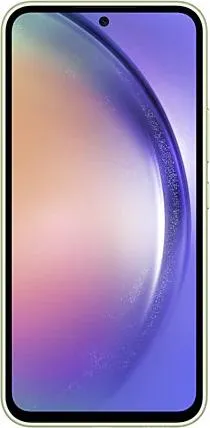
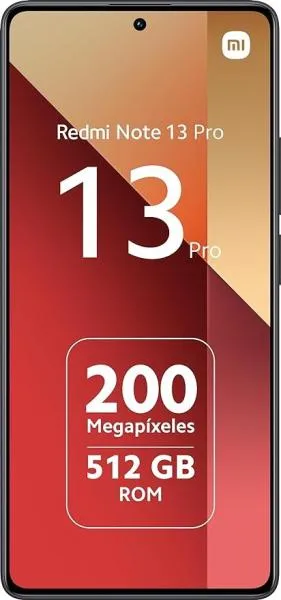
| Feature | Samsung Galaxy A54 | Xiaomi Redmi Note 13 Pro 4G | Practical Impact |
|---|---|---|---|
| Design | |||
| Dimensions (mm) | 158.2 x 76.7 x 8.2 | 161.1 x 75 x 8 | Redmi is slightly larger and narrower. A54 might feel slightly more compact in hand. |
| Weight (g) | 202 | 188 | Redmi is noticeably lighter, reducing hand fatigue during extended use. |
| Display | |||
| Size (inches) | 6.4 | 6.67 | Redmi offers a larger screen for more immersive media consumption. |
| Resolution (px) | 1080 x 2340 | 1080 x 2400 | Similar resolutions; Redmi's slightly taller aspect ratio may be better for scrolling. |
| Type | Super AMOLED, 120Hz | AMOLED, 120Hz | Both offer smooth scrolling and vibrant colors. Samsung's Super AMOLED generally offers slightly better contrast. Redmi boasts higher peak brightness (1300 nits vs unknown for A54), improving outdoor visibility. |
| Performance | |||
| Chipset | Exynos 1380 (5 nm) | Mediatek Helio G99 Ultra | Exynos 1380 generally offers better overall performance, particularly in graphics-intensive tasks. |
| CPU | Octa-core (4x2.4 GHz Cortex-A78 & 4x2.0 GHz Cortex-A55) | Octa-core (2x2.2 GHz Cortex-A76 & 6x2.0 GHz Cortex-A55) | While clock speeds are similar, the architectural differences likely favor the Exynos 1380 in the A54 for sustained performance. |
| GPU | Mali-G68 MP5 | Mali-G57 MC2 | A54's GPU is significantly more powerful, leading to smoother gaming and faster rendering. |
| RAM (GB) | 8 | 8/12 | Redmi offers a 12GB RAM option for enhanced multitasking. |
| Camera | |||
| Main Camera (MP) | 50 (Sony IMX766) | 200 (Samsung ISOCELL HP3) | Redmi boasts a much higher resolution sensor. However, sensor size and image processing also significantly impact image quality, which cannot be fully assessed with provided data. A54 uses a well-regarded Sony sensor known for good performance. |
| Video Recording | 4K@30fps with EIS | 1080p@60fps | A54 offers 4K video recording, while Redmi is limited to 1080p. A54 also features more advanced video stabilization (EIS). |
| Battery | |||
| Capacity (mAh) | 5000 | 5000 | Both have the same battery capacity. |
| Fast Charging (W) | 25 | 67 | Redmi offers significantly faster charging. |
2. Key Differences Analysis
Samsung Galaxy A54 Advantages:
- Superior Performance: The Exynos 1380 and Mali-G68 MP5 provide a significant performance advantage for demanding tasks and gaming.
- Better Video Recording: 4K resolution and more advanced Electronic Image Stabilization (EIS).
- Potentially Better Main Camera Image Quality: While Redmi has higher resolution, the A54 utilizes a well-regarded Sony IMX766 sensor.
Xiaomi Redmi Note 13 Pro 4G Advantages:
- Faster Charging: 67W fast charging significantly reduces charging time.
- Larger Display: Provides a more immersive experience for media consumption.
- Higher Resolution Main Camera Sensor: 200MP offers the potential for highly detailed images (though real-world performance depends on other factors).
- Lighter Weight: More comfortable for extended use.
- Higher Peak Brightness: Better screen visibility outdoors.
3. User Profiles & Recommendations
Samsung Galaxy A54: Users who prioritize performance, smoother gaming, and higher quality video recording.
Xiaomi Redmi Note 13 Pro 4G: Users who value fast charging, a large display for media consumption, and potentially higher detail in photos. Those sensitive to phone weight will appreciate the lighter design.
4. Decision Framework
Key Questions for Buyers:
- What is your budget? Both are mid-range, but specific pricing should be compared.
- What are your primary use cases? (Gaming, photography, video recording, social media, etc.)
- Which features are most important to you? (Performance, camera quality, battery life, charging speed, display size)
My Choice: Samsung Galaxy A54
While the Redmi Note 13 Pro 4G has appealing features like faster charging and a larger display, I would choose the Samsung Galaxy A54. The superior performance offered by the Exynos 1380 and Mali-G68 MP5 is crucial for a smooth and enjoyable long-term user experience. 4K video recording is also a significant advantage for me. While the Redmi's 200MP camera is intriguing, the A54's well-regarded Sony sensor and overall camera system, combined with the DxOMark score (absent for the Redmi), suggests it will likely deliver consistently good image quality. Finally, while the Redmi is lighter, the A54's weight is still acceptable. The performance difference outweighs the benefits of the Redmi for my personal use case, which prioritizes smooth operation and future-proofing.
