1. Specifications Comparison
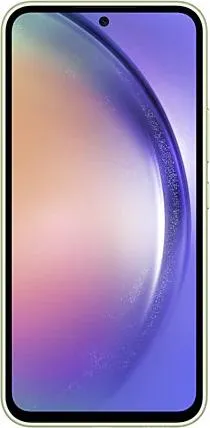
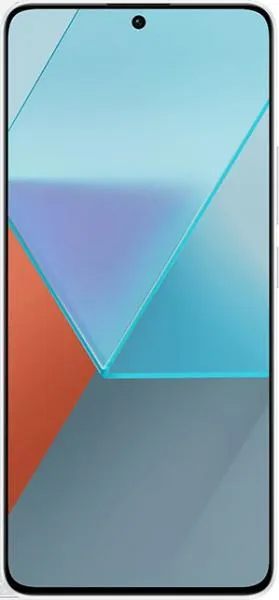
| Feature | Samsung Galaxy A54 | Xiaomi Redmi Note 13 Pro | Practical Impact |
|---|---|---|---|
| Design | |||
| Dimensions (mm) | 158.2 x 76.7 x 8.2 | 161.2 x 74.2 x 8.0 | Redmi is slightly taller and narrower. Negligible difference in thickness. |
| Weight (g) | 202 | 187 | Redmi is noticeably lighter, improving one-handed use. |
| Build | Material not specified for either phone, limiting comparison. | ||
| Display | |||
| Size (inches) | 6.4 | 6.67 | Redmi offers a larger screen for more immersive content consumption. |
| Resolution (pixels) | 1080 x 2340 | 1220 x 2712 | Redmi has a sharper display due to higher resolution and pixel density. |
| Type | Super AMOLED, 120Hz | AMOLED, 120Hz | Both offer smooth scrolling and animations thanks to 120Hz. AMOLED ensures vibrant colors and deep blacks. Redmi's potential advantage in color accuracy with 68B colors needs further validation in real-world testing. Redmi's higher peak brightness (1800 nits vs. unspecified for A54) will provide significantly better visibility in direct sunlight. |
| HDR | HDR10+ | Dolby Vision | While both support HDR, Dolby Vision on the Redmi generally offers better dynamic range and color accuracy if content supports it. |
| Performance | |||
| Chipset | Exynos 1380 (5 nm) | Snapdragon 7s Gen 2 (4 nm) | Both are mid-range chipsets. Performance differences would need benchmarking. Snapdragon's 4nm process might offer slight power efficiency benefits. |
| CPU | Octa-core (4x2.4 GHz Cortex-A78 & 4x2.0 GHz Cortex-A55) | Octa-core (4x2.4 GHz Cortex-A78 & 4x1.95 GHz Cortex-A55) | Very similar CPU configurations. Minor clock speed differences likely won't translate to noticeable real-world performance gaps. |
| GPU | Mali-G68 MP5 | Adreno 710 | Different GPUs. Real-world gaming performance needs further comparison through benchmarks and reviews. |
| RAM (GB) | 8 | 8/12/16 | Redmi offers configurations with more RAM, potentially benefitting multitasking and demanding applications. |
| Camera | |||
| Main Camera (MP) | 50 | 200 | Redmi boasts a significantly higher megapixel count on the main sensor. However, megapixels alone don't guarantee better image quality. Sensor size and processing play a crucial role. Redmi's larger sensor (1/1.4") should perform better in low light. |
| Ultrawide (MP) | 13 | 8 | A54 has a higher resolution ultrawide. |
| Selfie (MP) | 32 | 16 | A54 has a higher resolution selfie camera. |
| Video | 4K@30fps | 4K@30fps | Both can record 4K video. Redmi offers 1080p@120fps slow-motion, while A54 offers 720p@480fps. |
| Battery | |||
| Capacity (mAh) | 5000 | 5100 | Negligible difference in battery capacity. |
| Fast Charging (W) | 25 | 67 | Redmi supports significantly faster charging, reducing downtime considerably. |
2. Key Differences Analysis
Samsung Galaxy A54 Advantages:
- More affordable: Generally priced lower than the Redmi Note 13 Pro.
- Potentially longer software support: Samsung has improved its software update track record.
Xiaomi Redmi Note 13 Pro Advantages:
- Faster Charging: Significantly faster charging with 67W.
- Larger, Sharper Display: Bigger screen with higher resolution and peak brightness.
- Higher Resolution Main Camera: 200MP sensor with larger sensor size, potentially better low-light performance. More RAM in higher configurations.
- Dolby Vision: Enhanced HDR experience for compatible content.
3. User Profiles & Recommendations
Samsung Galaxy A54: Budget-conscious users prioritizing affordability and decent all-around performance.
Xiaomi Redmi Note 13 Pro: Users who value a large, bright, and sharp display, fast charging, and a high-resolution camera. Suitable for multimedia consumption, gaming, and photography enthusiasts.
4. Decision Framework
Key Questions for Buyers:
- What's your budget? The A54 is generally more affordable.
- What are your display priorities? The Redmi Note 13 Pro has a larger, sharper, and brighter display.
- How important is fast charging? The Redmi Note 13 Pro charges significantly faster.
My Choice: Xiaomi Redmi Note 13 Pro
While pricing can vary, the Redmi Note 13 Pro offers compelling advantages in key areas like display, charging, and potentially camera performance (needs real-world reviews to confirm) that outweigh the slightly higher price for me. The significantly faster charging and larger, brighter, and sharper display are significant quality-of-life improvements. The 200MP main camera with a larger sensor also holds potential for excellent photography, although real-world reviews are needed to confirm this. The A54 is a good budget option, but the Redmi Note 13 Pro offers a more premium experience in crucial aspects.
