1. Specifications Comparison
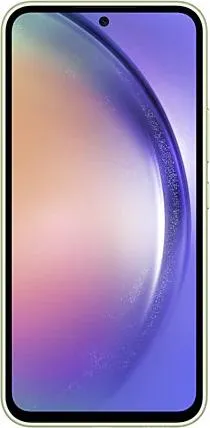
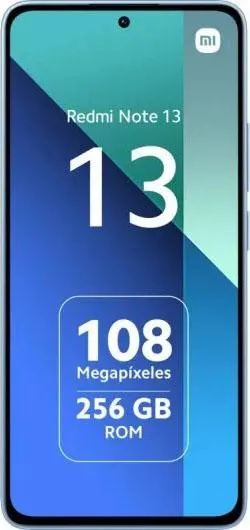
| Feature | Samsung Galaxy A54 | Xiaomi Redmi Note 13 4G | Practical Impact |
|---|---|---|---|
| Design | |||
| Dimensions (mm) | 158.2 x 76.7 x 8.2 | 162.3 x 75.6 x 8.0 | A54 is slightly smaller and potentially more pocketable. |
| Weight (g) | 202 | 188.5 | Redmi is noticeably lighter, reducing hand fatigue during extended use. |
| Display | |||
| Display Type | Super AMOLED, 120Hz | AMOLED, 120Hz | Both offer smooth scrolling and animations; Super AMOLED generally offers better contrast and outdoor visibility. |
| Size (inches) | 6.4 | 6.67 | Redmi offers a larger screen for more immersive content consumption. |
| Resolution | 1080 x 2340 | 1080 x 2400 | Similar sharpness due to similar pixel density; Redmi's slightly taller aspect ratio might be better for browsing. |
| Peak Brightness (nits) | 1000 (HBM) | 1800 | Redmi's significantly higher peak brightness ensures better visibility in direct sunlight. |
| Performance | |||
| Chipset | Exynos 1380 (5nm) | Snapdragon 685 (6nm) | A54's Exynos 1380 is generally more powerful, leading to smoother multitasking and better gaming performance. |
| CPU | Octa-core (4x2.4 GHz A78 & 4x2.0 GHz A55) | Octa-core (4x2.8 GHz A73 & 4x1.9 GHz A53) | While Redmi has higher clock speeds on performance cores, A54's newer architecture likely results in better overall performance and efficiency. |
| GPU | Mali-G68 MP5 | Adreno 610 | A54's GPU is more capable, resulting in smoother graphics in demanding games. |
| RAM | 8GB | 8GB | Both offer ample RAM for multitasking. |
| OS | Android 13 (up to 17) | Android 13 (up to 16) | A54 will receive longer software updates, ensuring security and new features for a longer period. |
| Camera | |||
| Main Camera | 50MP, f/1.8, OIS | 108MP, f/1.7 | Redmi boasts higher resolution; A54 has OIS for steadier videos and better low-light performance. Practical image quality depends on processing. |
| Video Recording | 4K@30fps with EIS | 1080p@30fps | A54 offers higher resolution video recording and Electronic Image Stabilization (EIS) at 4K. |
| DXOMARK Score | 107 | 75 | A54 has a significantly higher DXOMARK score, suggesting superior overall camera performance. However, real-world results can vary. |
| Battery | |||
| Capacity | 5000 mAh | 5000 mAh | Similar battery capacities suggest comparable battery life, although real-world usage will vary. |
| Charging | 25W wired | 33W wired | Redmi offers faster wired charging. Neither phone has wireless charging listed. |
2. Key Differences Analysis
Samsung Galaxy A54 Advantages:
- Superior Performance: The Exynos 1380 and Mali-G68 MP5 offer a noticeable performance advantage for demanding tasks and gaming.
- Better Camera System: OIS, 4K video recording, and a higher DXOMARK score suggest better overall image and video quality.
- Longer Software Support: Guaranteed updates to Android 17 provide longer-term security and feature upgrades.
- More Compact Design: Slightly smaller dimensions might be preferred by some users.
Xiaomi Redmi Note 13 4G Advantages:
- Larger Display: The 6.67-inch screen offers a more immersive experience for media consumption.
- Higher Peak Brightness: The 1800 nits peak brightness makes the screen easily visible outdoors.
- Faster Charging: 33W fast charging tops up the battery quicker than the A54's 25W.
- Lower Price: Generally more affordable.
3. User Profiles & Recommendations
Samsung Galaxy A54: Users who prioritize performance, camera quality, software updates, and a compact form factor. Suitable for mobile gaming, photography enthusiasts, and those who keep their phones for extended periods.
Xiaomi Redmi Note 13 4G: Users who prioritize a large, bright display, fast charging, and affordability. Suitable for media consumption, casual browsing, and budget-conscious buyers.
4. Decision Framework
Key Questions for Buyers:
- What is your budget? The Redmi Note 13 is generally more affordable.
- What are your primary use cases? Gaming and photography favor the A54, while media consumption favors the Redmi.
- How long do you plan to keep your phone? The A54's longer software support is crucial for long-term use.
My Choice: Samsung Galaxy A54
While the Redmi Note 13 4G offers a compelling package for its price, I would choose the Samsung Galaxy A54. The superior performance, camera system with OIS, and longer software support are crucial factors for me. I prioritize a smooth user experience, high-quality photos and videos, and the peace of mind that comes with extended software updates. While the Redmi's larger display and faster charging are attractive, the A54's advantages in key areas outweigh them for my personal needs and preferences. The slightly higher price is justified by the significant performance and longevity benefits.
