1. Specifications Comparison
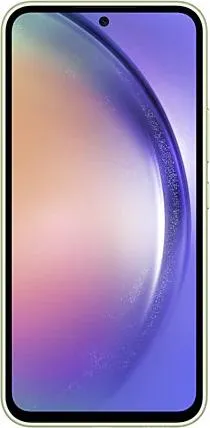
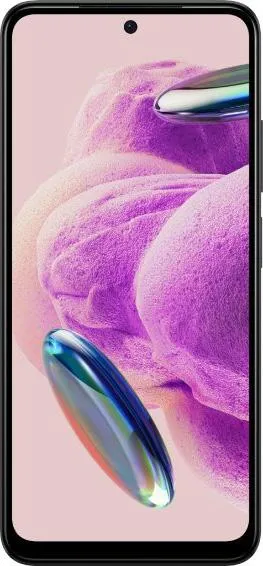
| Feature | Samsung Galaxy A54 | Xiaomi Redmi Note 12S | Practical Impact |
|---|---|---|---|
| Design | |||
| Dimensions (mm) | 158.2 x 76.7 x 8.2 | 159.9 x 73.9 x 8.1 | A54 slightly shorter and wider, negligible difference in daily use. |
| Weight (g) | 202 | 176 | Redmi Note 12S noticeably lighter, reducing hand fatigue during extended use. |
| Display | |||
| Display Size (inches) | 6.4 | 6.43 | Negligible difference in screen real estate. |
| Resolution (px) | 1080 x 2340 | 1080 x 2400 | Virtually identical sharpness. |
| Display Type | Super AMOLED, 120Hz | AMOLED, 90Hz | A54's Super AMOLED with 120Hz offers smoother scrolling and animations, potentially better outdoor visibility, and richer colors. |
| Peak Brightness (nits) | 1000 (HBM) | 1000 (peak), 700 (HBM) | While both peak at 1000 nits, A54's higher typical brightness (HBM) ensures better visibility in sunlight. |
| Performance | |||
| Chipset | Exynos 1380 (5nm) | Mediatek Helio G96 (12nm) | A54's 5nm Exynos 1380 should provide significantly better performance and power efficiency compared to the 12nm Helio G96. |
| CPU | Octa-core (4x2.4 GHz Cortex-A78 & 4x2.0 GHz Cortex-A55) | Octa-core (2x2.05 GHz Cortex-A76 & 6x2.0 GHz Cortex-A55) | A54's CPU architecture and higher clock speeds translate to faster app loading, smoother multitasking, and better gaming performance. |
| GPU | Mali-G68 MP5 | Mali-G57 MC2 | A54's GPU is more powerful, enabling higher frame rates in games and smoother graphics rendering. |
| RAM (GB) | 8 | 6/8 | More RAM in certain A54 versions enables better multitasking; however, both 6GB and 8GB are generally sufficient for everyday use. |
| Camera | |||
| Main Camera (MP) | 50 (Sony IMX766) | 108 (Samsung S5KHM2) | Redmi Note 12S boasts higher resolution, but A54 utilizes a larger sensor (IMX766) known for good low-light performance. Image quality will depend on processing. |
| Video Recording | Up to 4K@30fps with EIS | Up to 1080p@30fps | A54 offers superior video resolution and Electronic Image Stabilization (EIS) for smoother footage. |
| Battery | |||
| Capacity (mAh) | 5000 | 5000 | Identical battery capacity. Real-world battery life will depend on usage and efficiency. |
| Fast Charging | 25W | 33W | Redmi Note 12S offers faster charging. |
2. Key Differences Analysis
Samsung Galaxy A54 Advantages:
- Superior Performance: The Exynos 1380 provides a significant performance advantage, resulting in smoother multitasking, faster app loading, and better gaming.
- Smoother Display: The 120Hz refresh rate delivers a noticeably smoother user experience.
- Better Main Camera Sensor: The Sony IMX766 sensor generally produces higher quality images, especially in low light.
- Superior Video Recording: 4K recording with EIS offers significantly better video quality and stabilization.
- Brighter Display in Typical Usage: Higher typical brightness means better outdoor visibility.
- Longer Software Support: Samsung typically provides longer software updates compared to Xiaomi.
Xiaomi Redmi Note 12S Advantages:
- Faster Charging: 33W fast charging tops up the battery quicker than the A54's 25W.
- Lighter Weight: Noticeably lighter, making it more comfortable for extended use.
- Potentially Lower Price: Depending on the configuration and region, the Redmi Note 12S might be cheaper.
3. User Profiles & Recommendations
Samsung Galaxy A54: Users who prioritize performance, a smooth display, better camera quality (especially low light and video), and longer software support. Ideal for gaming, media consumption, and demanding tasks.
Xiaomi Redmi Note 12S: Users seeking a budget-friendly option with fast charging and a lightweight design. Suitable for everyday tasks, social media, and casual photography. Best for budget-conscious buyers.
4. Decision Framework
Key Questions for Buyers:
- What is your budget? The Redmi Note 12S is generally more affordable.
- What are your performance requirements? The A54 offers significantly better performance for demanding tasks and gaming.
- How important is camera quality? The A54 provides a better overall camera experience, particularly in low light and video recording.
My Choice: Samsung Galaxy A54
While the Redmi Note 12S offers faster charging and a lighter weight, the Samsung Galaxy A54 is the superior device overall. The significantly better performance, smoother 120Hz display, higher quality camera, and anticipated longer software support make it a more compelling choice for the long term. The slightly higher price is justified by these advantages. The performance difference alone would greatly impact daily usage and provide a more future-proof device. I value a smooth and responsive user experience, making the 120Hz display and powerful chipset crucial factors in my decision. While 33W charging is nice, the overall experience offered by the A54 outweighs this single advantage of the Redmi Note 12S.
