1. Specifications Comparison
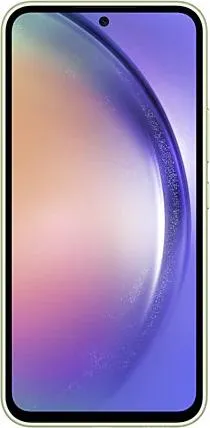
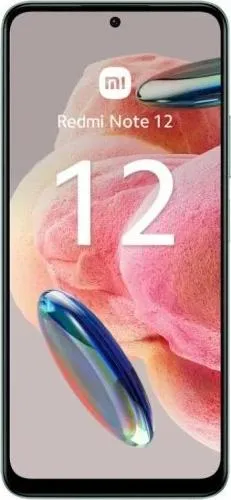
| Feature | Samsung Galaxy A54 | Xiaomi Redmi Note 12 4G | Practical Impact |
|---|---|---|---|
| Design | |||
| Dimensions (mm) | 158.2 x 76.7 x 8.2 | 165.7 x 76 x 7.9 | Redmi Note 12 4G is taller and slightly thinner. A54 might feel more compact in hand. |
| Weight (g) | 202 | 183.5 | Redmi is noticeably lighter, reducing hand fatigue during extended use. |
| Fingerprint Sensor | Under display | Side-mounted | Preference-based; under-display feels more modern, side-mounted can be faster to access. |
| Display | |||
| Display Type | Super AMOLED | AMOLED | A54's Super AMOLED likely offers better color accuracy, deeper blacks, and higher brightness in direct sunlight. |
| Display Size (inches) | 6.4 | 6.67 | Redmi offers a larger screen for more immersive media consumption. |
| Refresh Rate (Hz) | 120 | 120 | Both offer smooth scrolling and animations. |
| Peak Brightness (nits) | 1000 (HBM) | 1200 (peak) | Redmi might be slightly more visible in very bright sunlight, though typical brightness is lower than A54's. |
| Performance | |||
| Chipset | Exynos 1380 (5nm) | Snapdragon 685 (6nm) | A54's Exynos 1380 is generally more powerful, leading to smoother multitasking and better gaming performance. |
| CPU | Octa-core (4x2.4 GHz A78 & 4x2.0 GHz A55) | Octa-core (4x2.8 GHz A73 & 4x1.9 GHz A53) | While Redmi has higher clock speeds on performance cores, A54's newer architecture likely results in better overall performance and efficiency. |
| GPU | Mali-G68 MP5 | Adreno 610 | A54 has a significantly more powerful GPU, crucial for demanding games and graphic-intensive tasks. |
| RAM (GB) | 8 | 4/6/8 (variant dependent) | More RAM in some A54 configurations improves multitasking. Base Redmi model might experience performance limitations with only 4GB RAM. |
| Camera | |||
| Main Camera (MP) | 50 (Sony IMX766) | 50 (Samsung S5KJN1) | A54 utilizes a larger, generally better-regarded sensor (IMX766) potentially resulting in improved low-light performance and dynamic range. |
| DXOMARK Score | 107 | 63 | A54 significantly outperforms Redmi in overall camera quality according to DXOMARK. |
| Video Recording | Up to 4K@30fps with EIS | Up to 1080p@30fps | A54 offers higher resolution video recording and Electronic Image Stabilization (EIS) at higher resolutions for smoother footage. |
| Battery | |||
| Capacity (mAh) | 5000 | 5000 | Similar battery capacities suggest comparable battery life, though real-world usage may vary due to software and hardware differences. |
| Fast Charging (W) | 25 | 33 | Redmi charges faster, minimizing downtime. |
2. Key Differences Analysis
Samsung Galaxy A54 Advantages:
- Superior Performance: The Exynos 1380 and Mali-G68 MP5 offer a noticeable performance advantage for demanding tasks and gaming.
- Better Camera: The larger main sensor, higher DXOMARK score, and 4K video recording capability suggest significantly better image and video quality.
- Brighter, More Vibrant Display: Super AMOLED technology generally provides better colors, contrast, and outdoor visibility.
- Longer Software Support: Samsung typically offers more years of major OS updates.
Xiaomi Redmi Note 12 4G Advantages:
- Lighter and Larger Display: Appeals to users prioritizing media consumption and one-handed usability.
- Faster Charging: Reduces charging time significantly.
- Lower Price: Offers a more budget-friendly option, especially the base model.
3. User Profiles & Recommendations
Samsung Galaxy A54: Users who prioritize performance, camera quality, display quality, and long-term software updates. Ideal for mobile gaming, photography enthusiasts, and those seeking a well-rounded experience.
Xiaomi Redmi Note 12 4G: Users on a tight budget prioritizing a large display for media consumption and fast charging. Suitable for casual users focusing on basic tasks, social media, and video streaming.
4. Decision Framework
Key Questions for Buyers:
- What is your budget? The Redmi Note 12 4G offers a significantly lower entry price.
- What are your primary use cases? Gaming and photography benefit from the A54's superior performance and camera. Media consumption benefits from the Redmi's larger display.
- How important is long-term software support? Samsung generally provides longer software updates.
My Choice: Samsung Galaxy A54
While the Redmi Note 12 offers a compelling value proposition with its larger display and faster charging, the Samsung Galaxy A54 is the better overall device for my needs. I prioritize performance, a high-quality camera, and a vibrant display. The A54's more powerful chipset, superior GPU, better main camera sensor, and Super AMOLED display are significant advantages that outweigh the Redmi's benefits for me. Although the Redmi charges faster, I am willing to compromise on charging speed for a better overall user experience. The slightly higher price of the A54 is justified by the significantly improved performance, camera, display, and potentially longer software support, making it a more future-proof investment.
