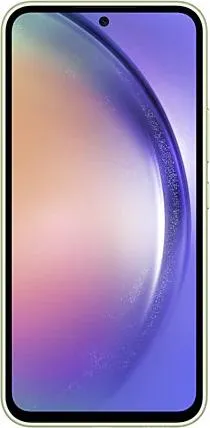
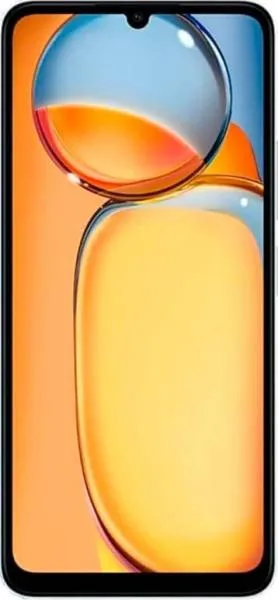
1. Specifications Comparison
| Feature | Samsung Galaxy A54 | Xiaomi Redmi 13C | Practical Impact |
|---|---|---|---|
| Design | |||
| Dimensions (mm) | 158.2 x 76.7 x 8.2 | 168 x 78 x 8.1 | A54 is slightly smaller and may feel more comfortable in hand. |
| Weight (g) | 202 | 192 | Negligible weight difference in real-world usage. |
| Build | Missing | Missing | Build quality and materials cannot be compared without more data. |
| Display | |||
| Size (inches) | 6.4 | 6.74 | Redmi 13C offers a larger screen for media consumption. |
| Resolution (px) | 1080 x 2340 | 720 x 1600 | A54's significantly higher resolution provides sharper text and images. Redmi 13C's lower resolution may appear pixelated. |
| Type | Super AMOLED, 120Hz | IPS LCD, 90Hz | A54's AMOLED offers more vibrant colors, deeper blacks, and better power efficiency. Its higher refresh rate results in smoother animations. |
| PPI | 403 | 260 | A54 has a much higher pixel density, resulting in significantly sharper visuals. |
| Performance | |||
| Chipset | Exynos 1380 (5 nm) | Mediatek MT6769Z Helio G85 (12 nm) | A54's 5nm chipset is more power-efficient and likely offers better performance than Redmi 13C's 12nm chipset. |
| CPU | Octa-core (4x2.4 GHz Cortex-A78 & 4x2.0 GHz Cortex-A55) | Octa-core (2x2.0 GHz Cortex-A75 & 6x1.8 GHz Cortex-A55) | A54's CPU configuration suggests better performance, especially in demanding tasks. |
| GPU | Mali-G68 MP5 | Mali-G52 MC2 | A54's GPU is expected to provide significantly better gaming and graphics performance. |
| RAM | 8GB | 4GB/6GB/8GB | More RAM in certain A54 variants allows for better multitasking. |
| Camera | |||
| Main Camera (MP) | 50 | 50 | Megapixel count alone doesn't determine image quality; sensor size and processing are crucial. Specific sensor details suggest the A54 has a larger sensor (1/1.56\" vs 1/2.76\"), potentially capturing more light and detail. |
| Front Camera (MP) | 32 | 8 | A54's higher resolution front camera will likely produce better quality selfies. |
| Video Recording | Up to 4K@30fps | Up to 1080p@30fps | A54 offers higher resolution video recording. |
| Battery | |||
| Capacity (mAh) | 5000 | 5000 | Similar battery capacity. Real-world battery life depends on usage and efficiency. |
| Charging | 25W wired | 18W wired | A54 supports faster wired charging. |
2. Key Differences Analysis
Samsung Galaxy A54 Advantages:
- Superior Display: AMOLED with 120Hz refresh rate offers a significantly better visual experience.
- Better Performance: More powerful processor and GPU for smoother multitasking and gaming.
- Enhanced Camera: Larger main camera sensor and higher resolution front camera suggest better image quality. Higher resolution video recording capabilities.
- Faster Charging: 25W wired charging reduces downtime.
Xiaomi Redmi 13C Advantages:
- Larger Screen: Provides more screen real estate for media consumption.
- Lower Price: Significantly more affordable.
3. User Profiles & Recommendations
Samsung Galaxy A54: Users who prioritize display quality, performance, camera capabilities, and a smoother user experience. Suitable for gaming, media consumption, photography enthusiasts, and demanding users.
Xiaomi Redmi 13C: Budget-conscious users who primarily need a large screen for basic tasks like browsing, social media, and video watching. Suitable for casual users who prioritize affordability over high-end features.
4. Decision Framework
Key Questions for Buyers:
- What is your budget? The Redmi 13C is significantly cheaper.
- What are your primary use cases? Gaming and photography enthusiasts will prefer the A54. Casual users might find the Redmi 13C sufficient.
- How important is display quality and performance? The A54 offers a far superior experience in these areas.
My Choice: Samsung Galaxy A54
While the Redmi 13C offers a larger display and significantly lower price, the Samsung Galaxy A54 is the clear winner for me. The superior AMOLED display with a 120Hz refresh rate, the more powerful processor and GPU, the better camera system with a larger sensor, and faster charging are crucial factors that significantly enhance the overall user experience. I am willing to invest more for the noticeable improvements in performance, visuals, and camera quality that the A54 offers. The A54 provides a much more well-rounded and future-proof device. The difference in screen resolution (1080p vs 720p) is a major deciding factor, as the lower resolution on the Redmi 13C would negatively impact my daily usage.
