1. Specifications Comparison
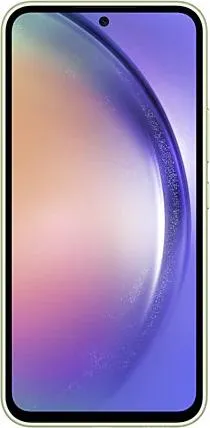
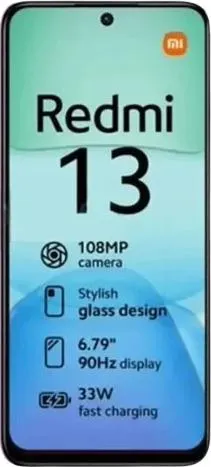
| Feature | Samsung Galaxy A54 | Xiaomi Redmi 13 | Practical Impact |
|---|---|---|---|
| Design | |||
| Dimensions (mm) | 158.2 x 76.7 x 8.2 | 168.6 x 76.3 x 8.3 | Redmi 13 is noticeably taller and slightly thicker. A54 might be more pocketable. |
| Weight (g) | 202 | 205 | Negligible weight difference in real-world usage. |
| Build | Missing | Missing | Build quality and materials cannot be compared due to missing information. |
| Display | |||
| Display Type | Super AMOLED | IPS LCD | A54 offers deeper blacks, more vibrant colors, and better power efficiency due to AMOLED technology. |
| Display Size (inches) | 6.4 | 6.79 | Redmi 13 has a larger screen, providing more immersive content consumption. |
| Resolution | 1080 x 2340 | 1080 x 2460 | Similar pixel density, but Redmi 13's slightly larger screen offers marginally more screen real estate. |
| Refresh Rate (Hz) | 120 | 90 | A54's 120Hz provides smoother animations and scrolling compared to Redmi 13's 90Hz. |
| Performance | |||
| Chipset | Exynos 1380 (5nm) | Mediatek Helio G91 Ultra (12nm) | A54's 5nm chipset should offer better performance and power efficiency compared to Redmi 13's 12nm chipset. |
| CPU | Octa-core (4x2.4 GHz & 4x2.0 GHz) | Octa-core (2x2.0 GHz & 6x1.8 GHz) | A54 likely has a performance advantage due to faster core speeds and potentially better architecture. |
| GPU | Mali-G68 MP5 | Mali-G52 MC2 | A54's GPU is expected to deliver significantly better gaming and graphics performance. |
| RAM | 8GB | 8GB | Both phones offer sufficient RAM for multitasking in this price range. |
| OS | Android 13 | Android 14 | Redmi 13 ships with a newer Android version, potentially offering newer features and longer software support. |
| Camera | |||
| Main Camera | 50MP (Sony IMX766) | 108MP | Redmi 13 has a higher megapixel count, but sensor size and other factors also impact image quality. A54 uses a known high-quality sensor (IMX766). |
| Video Recording | 4K@30fps | 1080p@30fps | A54 supports 4K video recording, offering higher resolution videos compared to Redmi 13's 1080p. |
| Battery | |||
| Capacity (mAh) | 5000 | 5030 | Negligible difference in battery capacity. Real-world battery life depends on various factors, including display, chipset, and software. |
| Fast Charging | 25W | 33W | Redmi 13 supports faster charging, reducing downtime. |
2. Key Differences Analysis
Samsung Galaxy A54 Advantages:
- Superior Display: AMOLED technology provides vibrant colors and deeper blacks. The 120Hz refresh rate offers a smoother user experience.
- Better Performance: More efficient and powerful chipset and GPU for smoother gaming and multitasking.
- Higher Quality Main Camera Sensor: Potentially better image quality in various conditions thanks to the Sony IMX766 sensor.
- 4K Video Recording: Enables higher resolution video capture.
Xiaomi Redmi 13 Advantages:
- Larger Display: More immersive experience for media consumption.
- Newer Android Version: Potentially longer software support and access to the latest features.
- Faster Charging: Reduces charging time significantly.
- Lower Price: Offers a more budget-friendly option.
Trade-offs:
- A54 prioritizes display quality, performance, and camera quality, but comes at a higher price.
- Redmi 13 prioritizes screen size, faster charging, and affordability, but compromises on display quality, performance, and potentially camera quality.
3. User Profiles & Recommendations
Samsung Galaxy A54: Users who value a premium display, smooth performance, a capable camera, and are willing to pay a bit more for these features. Ideal for:
- Mobile gaming enthusiasts
- Content creators who need good video recording capabilities
- Users who prioritize a vibrant and responsive display
Xiaomi Redmi 13: Budget-conscious users who prioritize a large screen for media consumption and faster charging. Ideal for:
- Casual users primarily focused on browsing, social media, and video streaming.
- Users seeking the best value for their money.
4. Decision Framework
Key Questions for Buyers:
- What is your budget? Redmi 13 is significantly cheaper.
- What are your primary use cases? Gaming and media creation favor the A54, while casual usage favors Redmi 13.
- Which features are most important to you? Prioritize display quality and performance (A54) or screen size and affordability (Redmi 13).
My Choice: Samsung Galaxy A54
While the Redmi 13 offers excellent value, I would choose the Samsung Galaxy A54. The superior AMOLED display with a 120Hz refresh rate, combined with the more powerful processor and higher-quality main camera sensor, significantly enhance the overall user experience. These features are crucial for my usage, which includes gaming, photography, and consuming multimedia content. Although the Redmi 13 has a larger display and faster charging, the A54's advantages in key areas outweigh these benefits for me. The price difference is justifiable for the long-term satisfaction and performance offered by the A54. The known quality of the IMX766 sensor in the A54 also heavily sways my decision as megapixel count alone doesn't determine image quality.
