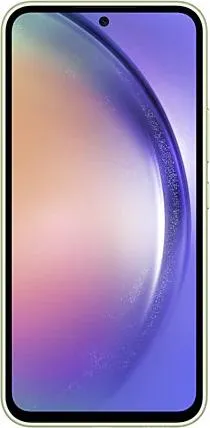
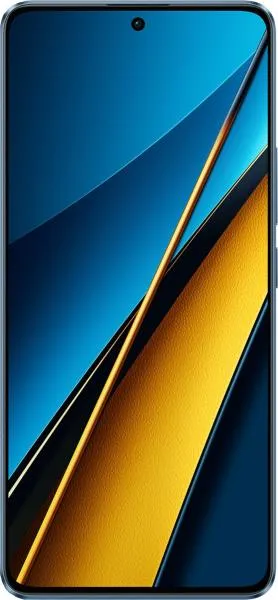
1. Specifications Comparison
| Feature | Samsung Galaxy A54 | Xiaomi Poco X6 | Practical Impact |
|---|---|---|---|
| Design | |||
| Dimensions (mm) | 158.2 x 76.7 x 8.2 | 161.2 x 74.3 x 8.0 | Poco X6 is slightly taller and narrower. Negligible difference in thickness. |
| Weight (g) | 202 | 181 | Poco X6 is noticeably lighter, improving one-handed use. |
| Display | |||
| Size (inches) | 6.4 | 6.67 | Poco X6 offers a larger screen for more immersive content consumption. |
| Resolution (pixels) | 1080 x 2340 | 1220 x 2712 | Poco X6 has a sharper display due to higher resolution and pixel density. |
| Type | Super AMOLED | AMOLED | Both offer vibrant colors and deep blacks. Samsung's Super AMOLED might offer slightly better outdoor visibility due to the "1000 nits (HBM)" specification, although peak brightness for the Poco X6 is significantly higher at 1800 nits. |
| Refresh Rate (Hz) | 120 | 120 | Both offer smooth scrolling and animations. |
| HDR | HDR10+ | Dolby Vision | Both support advanced HDR formats for improved video quality. Dolby Vision generally offers a wider color gamut and dynamic range than HDR10+. |
| Performance | |||
| Chipset | Exynos 1380 (5 nm) | Snapdragon 7s Gen 2 (4 nm) | Snapdragon chips generally have better performance and efficiency than Exynos. The 7s Gen 2 is newer and likely more powerful than the 1380. |
| CPU | Octa-core (4x2.4 GHz Cortex-A78 & 4x2.0 GHz Cortex-A55) | Octa-core (4x2.40 GHz Cortex-A78 & 4x1.95 GHz Cortex-A55) | Very similar CPU configurations. Performance differences will likely be minor. |
| RAM (GB) | 8 | 12 | Poco X6 has significantly more RAM, enabling better multitasking and smoother performance with demanding apps. |
| GPU | Mali-G68 MP5 | Adreno 710 | Adreno GPUs generally offer better gaming performance than Mali GPUs. |
| Camera | |||
| Main Camera (MP) | 50 | 64 | Poco X6 has a higher resolution main sensor. However, image quality depends on factors beyond resolution, such as sensor size and processing. |
| Front Camera (MP) | 32 | 16 | A54 has a higher resolution front camera for potentially better selfies. |
| Video Recording | 4K@30fps with EIS | 4K@30fps with EIS | Both offer 4K video recording with electronic image stabilization. The A54 boasts 480fps slow-motion capability, whereas the Poco X6 does not list this feature. |
| Battery | |||
| Capacity (mAh) | 5000 | 5100 | Negligible difference in battery capacity. |
| Fast Charging (W) | 25 | 67 | Poco X6 offers significantly faster charging. |
2. Key Differences Analysis
Samsung Galaxy A54 Advantages:
- Potentially better main camera sensor (Sony IMX766 is generally well-regarded).
- Higher resolution front-facing camera (32MP vs 16MP).
- Higher slow-motion video recording capability (480fps vs unspecified).
Xiaomi Poco X6 Advantages:
- Larger and sharper display.
- More powerful chipset and GPU (likely better for gaming).
- Significantly more RAM (12GB vs 8GB).
- Faster charging (67W vs 25W).
- Lighter weight.
- Dolby Vision support.
3. User Profiles & Recommendations
Samsung Galaxy A54: Users prioritizing camera quality, especially selfies, and those who prefer a more compact phone.
Xiaomi Poco X6: Users prioritizing performance, gaming, a large and sharp display, and fast charging. Good for multi-taskers due to the larger RAM.
4. Decision Framework
Key Questions for Buyers:
- What is your budget? Compare prices for similar storage configurations.
- What are your most important features? (Camera, performance, display, battery life)
- What is your usage pattern? (Heavy gaming, photography enthusiast, casual user)
My Choice: Xiaomi Poco X6
While the A54 boasts a potentially superior main camera sensor, the Poco X6 offers a more compelling overall package for my needs. The larger, sharper display with Dolby Vision, more powerful processor and GPU, significantly larger RAM, faster charging, and lighter weight are all significant advantages. The performance gains, smoother multitasking due to the extra RAM, and quicker charging outweigh the benefits of the A54 for me. While camera quality is important, the differences likely won't be drastic for everyday use. The vastly improved screen and performance of the Poco X6 make it the more compelling choice.
