1. Specifications Comparison
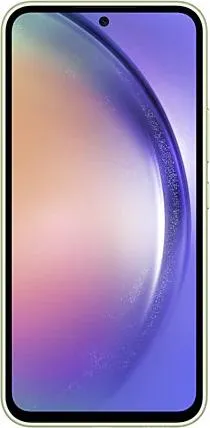
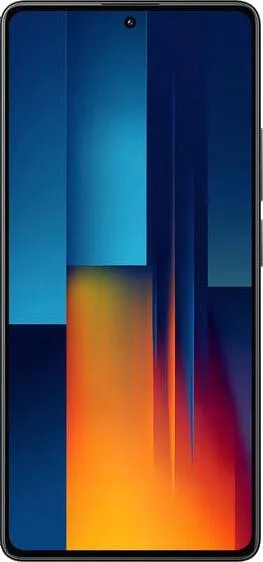
| Feature | Samsung Galaxy A54 | Xiaomi Poco M6 Pro | Practical Impact |
|---|---|---|---|
| Design | |||
| Dimensions (H x W x D) | 158.2 x 76.7 x 8.2 mm | 161.1 x 75 x 8 mm | Poco M6 Pro is slightly taller and narrower. Negligible difference in daily use. |
| Weight | 202g | 179g | Poco M6 Pro is noticeably lighter, improving one-hand usage comfort. |
| Build | Not specified | Not specified | Build quality impact unknown due to lack of information. |
| Display | |||
| Size | 6.4" | 6.67" | Poco M6 Pro offers a larger screen for more immersive content consumption. |
| Resolution | 1080 x 2340 | 1080 x 2400 | Similar pixel density, minimal real-world difference in sharpness. |
| Type | Super AMOLED, 120Hz | AMOLED, 120Hz | Both offer vibrant colors and smooth scrolling with 120Hz refresh rate. Samsung's Super AMOLED might offer slightly better color accuracy and deeper blacks. |
| Peak Brightness | Not specified | 1300 nits (typical), 1800 nits (peak) | Poco M6 Pro's significantly higher peak brightness ensures better outdoor visibility. |
| Performance | |||
| Chipset | Exynos 1380 (5nm) | Mediatek Helio G99 Ultra | Both are mid-range chipsets. Exynos 1380 generally performs better in benchmarks, potentially offering smoother multitasking and gaming. |
| CPU | Octa-core (4x2.4 GHz Cortex-A78 & 4x2.0 GHz Cortex-A55) | Octa-core (2x2.2 GHz Cortex-A76 & 6x2.0 GHz Cortex-A55) | Exynos 1380's higher clock speed on performance cores might translate to slightly faster app loading times. |
| GPU | Mali-G68 MP5 | Mali-G57 MC2 | Mali-G68 MP5 provides a more substantial gaming performance advantage over the Mali-G57 MC2. |
| RAM | 8GB | Up to 12GB | More RAM in some Poco M6 Pro variants enables better multitasking and smoother performance with multiple apps open. |
| Camera | |||
| Main Camera | 50MP, f/1.8, Sony IMX766 | 64MP, f/1.79, Omnivision OV64B | Both offer high resolution. The practical difference in image quality will depend on image processing, which is not specified. Poco M6 Pro has a slightly wider aperture, potentially leading to slightly better low-light performance. |
| Video Recording | 4K@30fps | 1080p@60fps | Galaxy A54 can record higher resolution video (4K), but Poco M6 Pro offers smoother 60fps at 1080p. User preference dependent. |
| Battery | |||
| Capacity | 5000 mAh | 5000 mAh | Identical battery capacity, expected similar battery life. Real-world usage may vary. |
| Charging | 25W wired | 67W wired | Poco M6 Pro charges significantly faster, reducing downtime considerably. |
2. Key Differences Analysis
Samsung Galaxy A54 Advantages:
- Potentially better overall performance: The Exynos 1380 and superior GPU generally deliver smoother performance, especially in demanding tasks.
- Higher resolution video recording: Offers 4K video recording for more detailed footage.
- Potentially better display quality: Super AMOLED technology often results in slightly better color accuracy and black levels.
- Longer Software Support: Samsung typically provides longer software updates compared to Xiaomi for the A series.
Xiaomi Poco M6 Pro Advantages:
- Faster Charging: 67W fast charging significantly reduces charging times compared to the A54's 25W.
- Lighter weight: Noticeably lighter, making it more comfortable for extended use.
- Larger Display: Bigger screen offers a more immersive experience for media consumption and gaming.
- Higher Peak Brightness: Considerably brighter display for superior outdoor visibility.
- Potentially Lower Price: While prices fluctuate, the Poco M6 Pro generally offers a lower price point, especially considering the higher RAM and storage options.
3. User Profiles & Recommendations
Samsung Galaxy A54: Suitable for users prioritizing performance, longer software support, and slightly better display quality. Ideal for moderate gaming, multitasking, and those who value receiving software updates for a longer period.
Xiaomi Poco M6 Pro: Best suited for users who prioritize fast charging, a large display, excellent outdoor visibility and value for money. Ideal for media consumption, social media browsing, and casual gaming. The large storage options are attractive for users who store a lot of photos and videos.
4. Decision Framework
Key Questions for Buyers:
- What is your budget? The Poco M6 Pro is generally more affordable.
- What are your primary use cases? Gaming and multitasking favor the A54, while media consumption and quick charging favor the Poco M6 Pro.
- How important is software support? Samsung generally offers longer software updates.
Scenario-Based Recommendations:
- Heavy user who needs performance and longevity: Samsung Galaxy A54
- Budget-conscious user who prioritizes fast charging and large screen: Xiaomi Poco M6 Pro
- User who needs a balance of performance, features, and affordability: Either phone could be suitable, depending on specific priorities.
My Choice: Samsung Galaxy A54
While the Poco M6 Pro offers compelling features like faster charging, a larger display, and a lower price, I would choose the Samsung Galaxy A54. The superior processor (Exynos 1380) and GPU (Mali-G68 MP5) are crucial for ensuring a smoother long-term experience, as they handle demanding tasks and gaming more efficiently. Additionally, Samsung's generally better track record with software updates ensures the phone will receive security patches and new features for a longer period, extending its usable lifespan. Though the 25W charging is slower, I prioritize long-term performance and software support over marginally faster charging and a slightly larger display. The potentially superior display quality of the Super AMOLED panel also contributes to a better overall user experience. The Poco M6 Pro offers incredible value, but the A54's performance and longevity make it a better choice for my needs.
