1. Specifications Comparison
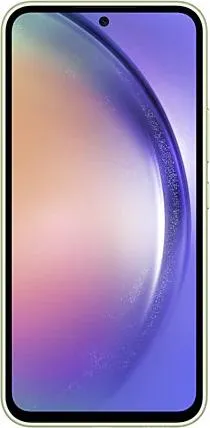
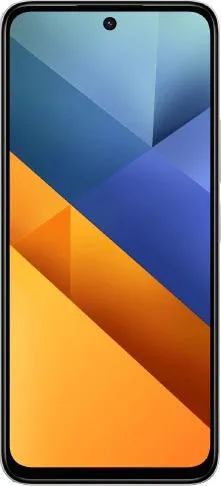
| Feature | Samsung Galaxy A54 | Xiaomi Poco M6 4G | Practical Impact |
|---|---|---|---|
| Design | |||
| Dimensions (mm) | 158.2 x 76.7 x 8.2 | 168.6 x 76.3 x 8.3 | Poco M6 4G is noticeably taller and slightly thicker. A54 is more compact and pocketable. |
| Weight (g) | 202 | 205 | Negligible weight difference in practical use. |
| Build | Missing | Missing | Build quality and materials cannot be compared with the given data. |
| Display | |||
| Display Type | Super AMOLED | IPS LCD | A54 offers deeper blacks, more vibrant colors, and better power efficiency due to AMOLED technology. |
| Display Size (inches) | 6.4 | 6.79 | Poco M6 4G has a larger screen, better for media consumption but less one-hand friendly. |
| Resolution | 1080 x 2340 | 1080 x 2460 | Similar sharpness due to similar pixel density despite the Poco's slightly larger screen. |
| Refresh Rate (Hz) | 120 | 90 | A54 provides smoother scrolling and animations thanks to the higher refresh rate. |
| Performance | |||
| Chipset | Exynos 1380 (5nm) | Mediatek Helio G91 Ultra (12nm) | A54's 5nm chipset should offer better performance and power efficiency compared to the 12nm Helio G91. |
| CPU | Octa-core (4x2.4 GHz Cortex-A78 & 4x2.0 GHz Cortex-A55) | Octa-core (2x2.0 GHz Cortex-A75 & 6x1.8 GHz Cortex-A55) | A54's CPU configuration suggests better performance, especially in demanding tasks. |
| GPU | Mali-G68 MP5 | Mali-G52 MC2 | A54 likely has a more powerful GPU, leading to smoother gaming and graphics performance. |
| RAM | 8GB | 6/8GB | RAM options vary; 8GB provides better multitasking. |
| Camera | |||
| Main Camera (MP) | 50 | 108 | Poco M6 4G boasts higher resolution, but image quality depends on sensor size, processing, and other factors not fully detailed here. |
| Selfie Camera (MP) | 32 | 13 | A54 has a significantly higher resolution selfie camera. |
| Video Recording | Up to 4K@30fps with EIS | Up to 1080p@30fps | A54 offers higher resolution video recording and Electronic Image Stabilization (EIS) at higher resolutions. |
| Battery | |||
| Capacity (mAh) | 5000 | 5030 | Negligible difference in battery capacity. |
| Charging | 25W wired | 33W wired | Poco M6 4G supports faster wired charging. |
2. Key Differences Analysis
Samsung Galaxy A54 Advantages:
- Superior Display: AMOLED technology offers vibrant colors and deeper blacks. The 120Hz refresh rate provides a smoother user experience.
- Better Performance: More efficient and powerful chipset, likely resulting in faster app loading, smoother multitasking, and better gaming performance.
- Higher Quality Selfie Camera: Higher resolution and potentially better image quality for video calls and self-portraits.
- More polished Software: Samsung's One UI generally offers a feature-rich and refined software experience.
Xiaomi Poco M6 4G Advantages:
- Larger Display: Provides a more immersive experience for media consumption.
- Faster Charging: 33W charging allows for quicker top-ups.
- Lower Price: Positioned in the low price range, offering greater affordability.
- Higher Resolution Main Camera: Potentially capturing more detail, though real-world performance depends on factors beyond resolution.
Trade-offs:
- A54: Higher price for better display, performance, and camera.
- Poco M6 4G: Compromises on display quality, performance, and certain camera features for affordability and a larger screen.
3. User Profiles & Recommendations
Samsung Galaxy A54: Suited for users who prioritize a smooth, responsive experience, vibrant display, good camera quality, and overall performance. Ideal for gaming, media consumption, and general daily use.
Xiaomi Poco M6 4G: Best suited for budget-conscious users who prioritize a large screen for media consumption and basic smartphone functionality. Good for casual users who are not demanding in terms of performance or camera quality.
4. Decision Framework
Key Questions for Buyers:
- What is your budget? The Poco M6 4G is significantly more affordable.
- What is your priority? Performance and display quality (A54) or large screen and affordability (Poco M6 4G)?
- What are your typical usage patterns? Gaming and demanding tasks (A54) or casual browsing and media consumption (Poco M6 4G)?
My Choice: Samsung Galaxy A54
While the Poco M6 4G offers a compelling value proposition for its price, I would choose the Samsung Galaxy A54. The superior AMOLED display with a 120Hz refresh rate, the more powerful processor, and the overall smoother user experience are significant factors for me. I prioritize daily performance, a vibrant screen, and a good camera, and I am willing to pay the premium for the A54 to get these features. The longer software support commitment from Samsung is also a crucial consideration. While the Poco M6 4G's larger screen and faster charging are attractive, they don't outweigh the A54's advantages in my personal use case. The 5nm chipset's efficiency and performance benefits are likely to provide a more enjoyable and future-proof experience.
