1. Specifications Comparison
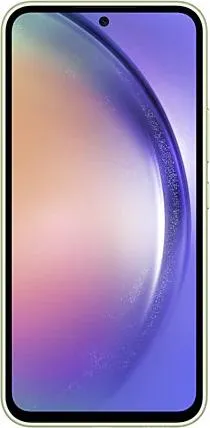
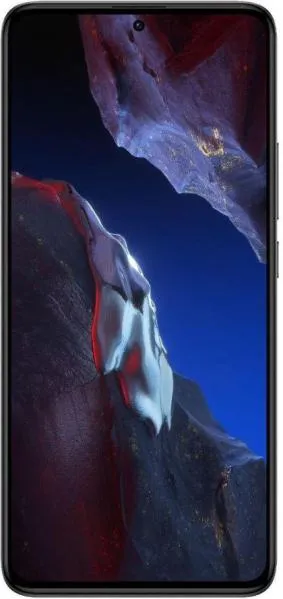
| Feature | Samsung Galaxy A54 | Xiaomi Poco F5 Pro | Practical Impact |
|---|---|---|---|
| Design | |||
| Dimensions (mm) | 158.2 x 76.7 x 8.2 | 162.8 x 75.4 x 8.6 | Poco F5 Pro is slightly larger and thicker. |
| Weight (g) | 202 | 204 | Negligible weight difference. |
| Build | Material specifications missing for both, limiting comparison. | ||
| Display | |||
| Size (inches) | 6.4 | 6.67 | Poco F5 Pro offers a larger screen for more immersive content consumption. |
| Resolution | 1080 x 2340 | 1440 x 3200 | Poco F5 Pro has a significantly sharper display (526 ppi vs 403 ppi), resulting in clearer text and images. |
| Type | Super AMOLED, 120Hz | AMOLED, 120Hz | Both offer smooth scrolling and animations thanks to the 120Hz refresh rate. AMOLED technology ensures vibrant colors and deep blacks. Poco F5 Pro boasts higher peak brightness (1400 nits vs 1000 nits on A54), improving outdoor visibility. Dolby Vision support on the Poco F5 Pro provides better HDR performance. |
| Performance | |||
| Chipset | Exynos 1380 (5 nm) | Snapdragon 8+ Gen 1 (4 nm) | Snapdragon 8+ Gen 1 is significantly more powerful, enabling smoother multitasking, faster app loading, and better gaming performance. |
| CPU | Octa-core (4x2.4 GHz Cortex-A78 & 4x2.0 GHz Cortex-A55) | Octa-core (1x3.0 GHz Cortex-X2 & 3x2.5 GHz Cortex-A710 & 4x1.80 GHz Cortex-A510) | The Poco F5 Pro's CPU architecture is more modern and powerful, leading to a noticeable performance difference. |
| GPU | Mali-G68 MP5 | Adreno 730 | Adreno 730 offers superior graphics processing, resulting in smoother and more detailed gaming visuals. |
| RAM | 8GB | 8/12GB | Poco F5 Pro offers a 12GB RAM option for even more demanding multitasking. |
| Camera | |||
| Main Camera | 50MP, f/1.8 | 64MP, f/1.79 | Poco F5 Pro has a higher resolution main sensor. Practical image quality differences depend on sensor size, processing, and other factors not fully detailed here. |
| Video Recording | 4K@30fps | 8K@24fps | Poco F5 Pro can record in higher resolution (8K), though 4K is sufficient for most users. |
| Battery | |||
| Capacity | 5000 mAh | 5160 mAh | Negligible difference in battery capacity. |
| Charging | 25W wired | 67W wired, 30W wireless | Poco F5 Pro offers significantly faster wired charging and also supports wireless charging. |
2. Key Differences Analysis
Samsung Galaxy A54 Advantages:
- Potentially more affordable: While exact prices fluctuate, the A54 generally sits at a lower price point within the "medium price" range.
- More compact: Might be preferred by users seeking a smaller, more easily pocketable phone.
Xiaomi Poco F5 Pro Advantages:
- Significantly more powerful: The Snapdragon 8+ Gen 1 offers a substantial performance advantage for demanding tasks and gaming.
- Sharper and brighter display: Higher resolution and peak brightness lead to a more enjoyable viewing experience.
- Faster Charging: 67W wired charging significantly reduces downtime. Wireless charging adds convenience.
- Higher Resolution Camera and Video: Offers more detail in captured photos and videos.
Trade-offs:
- The Poco F5 Pro's superior performance and features come at a higher price.
- The A54's smaller size might be preferable for some users despite the smaller display.
3. User Profiles & Recommendations
Samsung Galaxy A54:
- Ideal User: Budget-conscious users who prioritize affordability and a compact form factor. Users with moderate usage patterns (social media, browsing, casual photography).
- Use Cases: Everyday tasks, casual photography, social media browsing.
Xiaomi Poco F5 Pro:
- Ideal User: Power users, mobile gamers, and content creators who demand top-tier performance, a great display, and fast charging.
- Use Cases: Demanding mobile gaming, professional photography/videography, multitasking, content creation.
4. Decision Framework
Key Questions for Buyers:
- What is your budget? The Poco F5 Pro commands a premium price for its superior performance.
- What are your primary use cases? Casual users might find the A54 sufficient, while power users will appreciate the Poco F5 Pro's capabilities.
- Do you prioritize performance, screen quality, and fast charging over affordability and compactness?
My Choice: Xiaomi Poco F5 Pro
While the Samsung Galaxy A54 is a solid mid-range phone, the Xiaomi Poco F5 Pro offers a significant upgrade in performance, display quality, and charging speed. The Snapdragon 8+ Gen 1, coupled with the higher resolution and brighter display, makes for a much smoother and more enjoyable user experience, especially for demanding tasks and gaming. The faster charging and wireless charging capabilities are also significant advantages in today's fast-paced world. Although it comes at a higher price, the Poco F5 Pro offers a better value proposition for my needs as a user who values performance, a great display, and fast charging. The slight increase in size is not a significant deterrent for me compared to the substantial gains in other areas.
