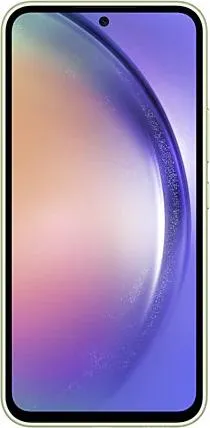
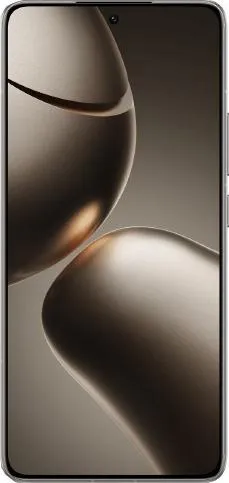
1. Specifications Comparison
| Feature | Samsung Galaxy A54 | Xiaomi 14T Pro | Practical Impact |
|---|---|---|---|
| Design | |||
| Dimensions (mm) | 158.2 x 76.7 x 8.2 | 160.4 x 75.1 x 8.4 | Xiaomi 14T Pro is slightly larger and thicker. |
| Weight (g) | 202 | 209 | Negligible weight difference in practical use. |
| Display | |||
| Size (inches) | 6.4 | 6.67 | Xiaomi 14T Pro offers a larger screen for more immersive content consumption. |
| Resolution (px) | 1080 x 2340 | 1220 x 2712 | Xiaomi 14T Pro has a sharper display with higher pixel density (446 ppi vs 403 ppi), resulting in clearer text and images. |
| Refresh Rate (Hz) | 120 | 144 | Xiaomi 14T Pro's higher refresh rate provides smoother scrolling and animations, especially noticeable in gaming and fast-paced content. |
| Display Type | Super AMOLED | AMOLED | Both offer vibrant colors and deep blacks. Xiaomi's claimed peak brightness of 4000 nits suggests significantly better outdoor visibility. Dolby Vision support on the Xiaomi offers superior HDR performance. |
| Performance | |||
| Chipset | Exynos 1380 (5 nm) | Mediatek Dimensity 9300+ (4 nm) | Xiaomi 14T Pro boasts a more powerful and efficient processor, leading to significantly better performance in demanding tasks and potentially better battery life. |
| CPU | Octa-core (4x2.4 GHz Cortex-A78 & 4x2.0 GHz Cortex-A55) | Octa-core (1x3.4 GHz Cortex-X4 & 3x2.85 GHz Cortex-X4 & 4x2.0 GHz Cortex-A720) | The Xiaomi 14T Pro's CPU architecture is more modern and powerful, offering a substantial performance advantage. |
| GPU | Mali-G68 MP5 | Immortalis-G720 MC12 | Xiaomi 14T Pro's GPU is considerably more powerful, resulting in significantly improved gaming performance and graphics rendering. |
| RAM (GB) | 8 | 12 | More RAM on the Xiaomi 14T Pro allows for smoother multitasking and better handling of demanding applications. |
| Camera | |||
| Main Camera (MP) | 50 | 50 | Both have high-resolution main sensors, but the Xiaomi has a larger sensor (1/1.31\" vs 1/1.56\") and wider aperture (f/1.6 vs f/1.8) potentially capturing more light and detail, especially in low light. DxOMark scores confirm the Xiaomi's superior camera performance. |
| Video Recording | 4K@30fps | 8K@30fps | Xiaomi 14T Pro offers higher resolution video recording. |
| Battery | |||
| Capacity (mAh) | 5000 | 5000 | Similar battery capacity. |
| Fast Charging (W) | 25 | 120 | Xiaomi 14T Pro offers significantly faster charging, minimizing downtime. |
2. Key Differences Analysis
Xiaomi 14T Pro Advantages:
- Significantly more powerful: The Dimensity 9300+ chipset, faster GPU, and more RAM translate to a noticeably smoother and faster experience in all tasks.
- Superior Display: Larger, sharper, smoother, and brighter with Dolby Vision support.
- Faster Charging: 120W fast charging dramatically reduces charging time.
- Better Camera: Larger sensor, wider aperture on the main camera, and 8K video recording capability. Higher DxOMark score indicates superior overall performance.
Samsung Galaxy A54 Advantages:
- Potentially Lower Price: Typically positioned at a more affordable price point within the "medium price" range.
3. User Profiles & Recommendations
Xiaomi 14T Pro: Ideal for users who prioritize performance, a high-quality display, fast charging, and a top-tier camera. Excellent for demanding tasks like gaming, video editing, and content creation.
Samsung Galaxy A54: Suitable for users seeking a reliable, well-rounded smartphone at a more budget-friendly price. Best for everyday tasks like web browsing, social media, and casual photography.
4. Decision Framework
Key Questions for Buyers:
- What is your budget? The Xiaomi 14T Pro is likely significantly more expensive.
- What are your primary use cases? Demanding tasks benefit from the Xiaomi's superior performance.
- How important is camera quality and fast charging? The Xiaomi excels in both areas.
My Choice: Xiaomi 14T Pro
While the Samsung Galaxy A54 is a competent phone, the Xiaomi 14T Pro offers a substantial upgrade in nearly every aspect that matters to me. The significant performance difference, superior display, faster charging, and better camera system justify the likely higher price. The 144Hz refresh rate and Dolby Vision support enhance media consumption, while the powerful chipset ensures smooth performance even with demanding applications and multitasking. As someone who values a fluid and responsive user experience, coupled with excellent multimedia capabilities, the Xiaomi 14T Pro is the clear winner. The much faster charging is a huge bonus in my busy lifestyle.
