1. Specifications Comparison
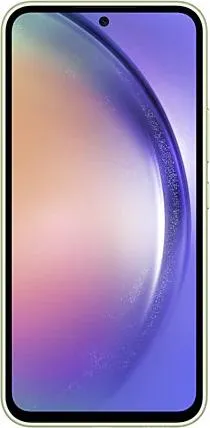
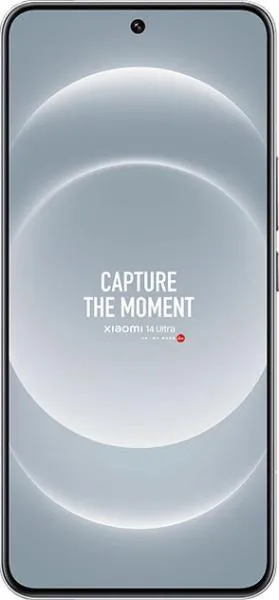
| Feature | Samsung Galaxy A54 | Xiaomi 14 Ultra | Practical Impact |
|---|---|---|---|
| Design | |||
| Dimensions (mm) | 158.2 x 76.7 x 8.2 | 161.4 x 75.3 x 9.2 | Xiaomi 14 Ultra is slightly larger and thicker. |
| Weight (g) | 202 | 229.5 | Xiaomi 14 Ultra is noticeably heavier. |
| Build | Not specified | Not specified | Build quality comparison not possible without further information. |
| Display | |||
| Size (inches) | 6.4 | 6.73 | Xiaomi 14 Ultra offers a larger screen for more immersive content consumption. |
| Resolution | 1080 x 2340 | 1440 x 3200 | Xiaomi 14 Ultra has a significantly sharper display with higher pixel density (522 vs 403 PPI), resulting in crisper text and images. |
| Type | Super AMOLED, 120Hz | LTPO AMOLED, 120Hz | Both offer smooth scrolling and animations thanks to the 120Hz refresh rate. LTPO on the Xiaomi allows for variable refresh rate, potentially saving battery. Xiaomi also boasts higher peak brightness and wider color gamut (68B colors & Dolby Vision support) for superior HDR content. |
| Performance | |||
| Chipset | Exynos 1380 (5 nm) | Snapdragon 8 Gen 3 (4 nm) | Snapdragon 8 Gen 3 offers significantly improved CPU and GPU performance, resulting in faster app loading, smoother multitasking, and better gaming capabilities. |
| CPU | Octa-core (4x2.4 GHz Cortex-A78 & 4x2.0 GHz Cortex-A55) | Octa-core (1x3.3 GHz Cortex-X4 & 3x3.2 GHz Cortex-A720 & 2x3.0 GHz Cortex-A720 & 2x2.3 GHz Cortex-A520) | Xiaomi 14 Ultra has a more powerful and efficient CPU architecture. |
| RAM | 8GB | 16GB | Double the RAM on the Xiaomi 14 Ultra allows for more apps to run in the background without reloading, significantly improving multitasking. |
| Camera | |||
| Main Camera | 50MP, f/1.8 | 50MP, f/1.63 (variable aperture) | Xiaomi 14 Ultra has a larger sensor (1-inch) and wider variable aperture, enabling superior low-light performance and depth of field control. |
| Ultrawide | 13MP, f/2.2 | 50MP, f/1.8 | Xiaomi offers a much higher resolution ultrawide with a wider aperture, resulting in detailed and well-lit ultrawide shots. |
| Telephoto | Missing Specifics | Triple Telephoto (3.2x, 5x optical zoom) | Xiaomi 14 Ultra offers superior zoom capabilities with multiple telephoto lenses. The A54's zoom capabilities are unclear. |
| Video | 4K@30fps | 8K@30fps | Xiaomi 14 Ultra can record videos at a much higher resolution. |
| Battery | |||
| Capacity | 5000 mAh | 5000 mAh | Similar battery capacities. |
| Charging | 25W Wired | 90W Wired, 80W Wireless | Xiaomi 14 Ultra offers significantly faster wired and wireless charging. |
2. Key Differences Analysis
Xiaomi 14 Ultra Advantages:
- Superior Performance: Significantly faster processor, more RAM, and better GPU.
- Advanced Display: Higher resolution, LTPO technology, brighter, wider color gamut with Dolby Vision.
- Versatile Camera System: 1-inch main sensor, high-resolution ultrawide, triple telephoto lenses for various zoom ranges, 8K video recording.
- Faster Charging: Significantly faster wired and wireless charging capabilities.
Samsung Galaxy A54 Advantages:
- Lighter and More Compact: Easier to handle and carry.
- Lower Price: Offers good value for its price range. (Based on the "medium price" designation, though specific prices were not compared)
Trade-offs:
- Xiaomi 14 Ultra: Larger and heavier, significantly more expensive.
- Samsung Galaxy A54: Less powerful, less capable camera system, slower charging.
3. User Profiles & Recommendations
Samsung Galaxy A54: Budget-conscious users who prioritize a compact and lightweight phone for everyday tasks like social media, browsing, and casual photography.
Xiaomi 14 Ultra: Power users, photography enthusiasts, and videographers who demand top-tier performance, a stunning display, and a versatile camera system.
4. Decision Framework
Key Questions for Buyers:
- What is your budget? The Xiaomi 14 Ultra is considerably more expensive.
- What are your primary use cases? Gaming, photography/videography, content consumption, or basic communication?
- Do you prioritize portability and one-handed use? The A54 is smaller and lighter.
Scenario-Based Recommendations:
- Limited Budget, Casual User: Samsung Galaxy A54
- Demand Performance & Best Camera: Xiaomi 14 Ultra
My Choice: Xiaomi 14 Ultra
While significantly more expensive, the Xiaomi 14 Ultra offers a substantial upgrade in every aspect. The superior performance, advanced display, versatile camera system with exceptional zoom capabilities, and fast charging outweigh the size and weight increase for me. I value a future-proof device with cutting-edge technology and the Xiaomi 14 Ultra delivers on that front. The Samsung Galaxy A54 is a solid mid-range option, but the Xiaomi 14 Ultra represents a significant leap in capabilities.
