1. Specifications Comparison
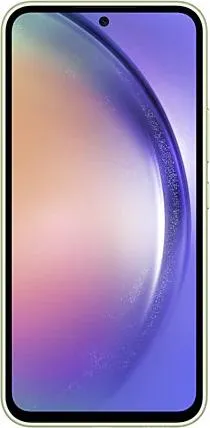
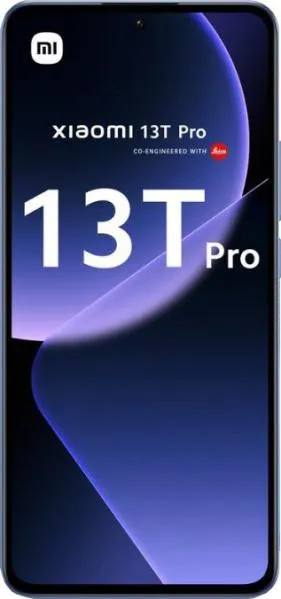
| Feature | Samsung Galaxy A54 | Xiaomi 13T Pro | Practical Impact |
|---|---|---|---|
| Design | |||
| Dimensions (mm) | 158.2 x 76.7 x 8.2 | 162.2 x 75.7 x 8.5 | Xiaomi 13T Pro is slightly larger and thicker. |
| Weight (g) | 202 | 200 | Negligible weight difference. |
| Build | Material information missing for both, limiting comparison. | ||
| Display | |||
| Size (inches) | 6.4 | 6.67 | Xiaomi 13T Pro offers a larger screen for more immersive content consumption. |
| Resolution | 1080 x 2340 | 1220 x 2712 | Xiaomi 13T Pro has a sharper display (higher pixel density) resulting in clearer images and text. |
| Refresh Rate (Hz) | 120 | 144 | Xiaomi 13T Pro provides smoother animations and scrolling with its higher refresh rate, especially noticeable in gaming. |
| Display Type | Super AMOLED | AMOLED | Both offer vibrant colors and deep blacks, but Xiaomi supports Dolby Vision for enhanced HDR content. Xiaomi also boasts significantly higher peak brightness (2600 nits vs 1000 nits on the A54) making it much more usable in direct sunlight. |
| Performance | |||
| Chipset | Exynos 1380 (5 nm) | Mediatek Dimensity 9200+ (4 nm) | Xiaomi 13T Pro's Dimensity 9200+ is a more powerful chipset, leading to significantly better performance in demanding tasks and games. The 4nm process also suggests better power efficiency. |
| CPU | Octa-core (4x2.4 GHz Cortex-A78 & 4x2.0 GHz Cortex-A55) | Octa-core (1x3.35 GHz Cortex-X3 & 3x3.0 GHz Cortex-A715 & 4x2.0 GHz Cortex-A510) | Xiaomi 13T Pro has a more modern and powerful CPU architecture, resulting in faster processing speeds. |
| GPU | Mali-G68 MP5 | Immortalis-G715 MC11 | Xiaomi 13T Pro's GPU is significantly more powerful, offering a superior gaming experience and smoother graphics rendering. |
| RAM | 8GB | 12GB | Xiaomi 13T Pro has more RAM enabling better multitasking and smoother performance with multiple apps open. |
| Camera | |||
| Main Camera | 50MP (Sony IMX766) | 50MP (Sony IMX707) | Both have high-resolution sensors, but the IMX707 in the Xiaomi generally performs better in low light due to its larger sensor size (1/1.28" vs 1/1.56"). |
| Ultrawide | 13MP | 13MP | Similar resolution, but sensor details are missing for comparison. |
| Telephoto | None | 50MP (Omnivision OV50D40) | Xiaomi 13T Pro offers a dedicated telephoto lens for optical zoom, a significant advantage. |
| Video | Up to 4K@30fps | Up to 8K@24fps | Xiaomi 13T Pro supports higher resolution video recording. |
| Battery | |||
| Capacity (mAh) | 5000 | 5000 | Similar battery capacity. |
| Fast Charging | 25W | 120W | Xiaomi 13T Pro offers significantly faster charging, minimizing downtime. |
2. Key Differences Analysis
Xiaomi 13T Pro Advantages:
- Significantly more powerful: The Dimensity 9200+, faster GPU, and more RAM provide a noticeable performance advantage.
- Better display: Larger, sharper, higher refresh rate, Dolby Vision support, and much brighter.
- Faster charging: 120W charging is considerably faster than 25W.
- Superior camera system: Dedicated telephoto lens for optical zoom, larger main sensor for improved low-light performance, and 8K video recording.
Samsung Galaxy A54 Advantages:
- Potentially more affordable: Depending on specific configurations and market prices.
3. User Profiles & Recommendations
Xiaomi 13T Pro: Ideal for users who prioritize performance, a high-quality display, fast charging, and a versatile camera system. Excellent for mobile gaming, photography enthusiasts, and power users.
Samsung Galaxy A54: Best suited for budget-conscious users who prioritize basic functionality and reliability over top-tier performance. Suitable for everyday tasks like social media, web browsing, and casual photography.
4. Decision Framework
Key Questions for Buyers:
- What is your budget? The Xiaomi 13T Pro is likely more expensive.
- What are your performance needs? For demanding tasks and gaming, the Xiaomi is significantly better.
- How important is camera quality? The Xiaomi offers a more versatile and capable camera system.
My Choice: Xiaomi 13T Pro
The Xiaomi 13T Pro is the clear winner for me. While potentially more expensive, the significant improvements in performance, display, camera, and charging outweigh the price difference for my needs. I value a smooth and responsive user experience, a high-quality display for media consumption, and a versatile camera. The 120W fast charging is a huge bonus, minimizing downtime. The A54 is a decent phone, but the 13T Pro offers a significant upgrade in almost every aspect.
